
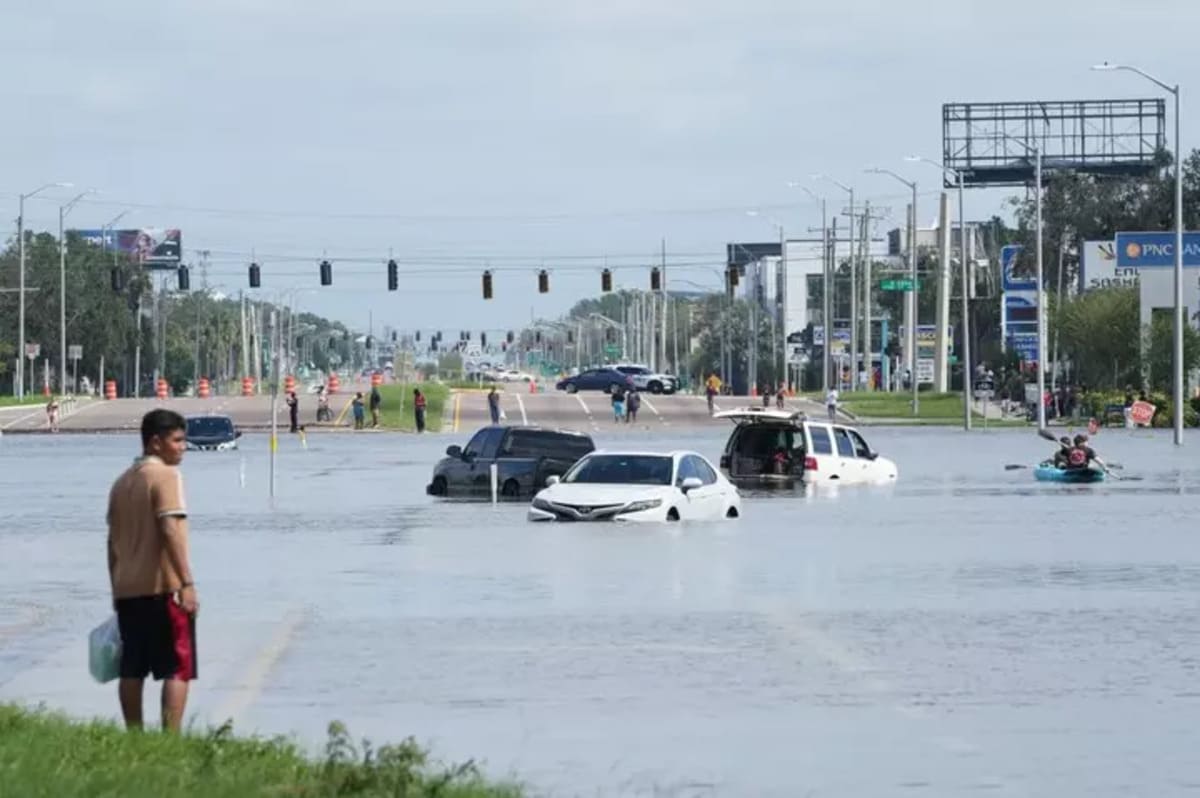
In a worrying trend across the globe, environmentalists are increasingly being blamed for the very climate catastrophes they’ve long warned about. From France to the U.S. and Brazil, the backlash against ecologists is growing. What was once a fight for environmental protection has now evolved into a bitter battle where those speaking out for the planet are being vilified and attacked. Paradoxically, they have become the new villains in the ongoing climate crisis.
Amazon co-founder MacKenzie Scott has donated over $19 billion to charity in just five years
Diamond batteries powered by nuclear waste promise 28,000 years of clean energy
Ecologists Blamed for Climate Disasters
Across various parts of the world, ecologists are being accused of exacerbating the very disasters they have been warning about for decades. In Spain, for example, following catastrophic floods that claimed over 200 lives in Valencia, right-wing groups have pointed fingers at ecologists, blaming them for the tragedy. The far-right party, Vox, alleged that the destruction of dams and the failure to clean rivers had worsened the disaster. In reality, experts have confirmed that only minor, outdated reservoirs were destroyed in the early 2000s, with no connection to the severity of the flooding.
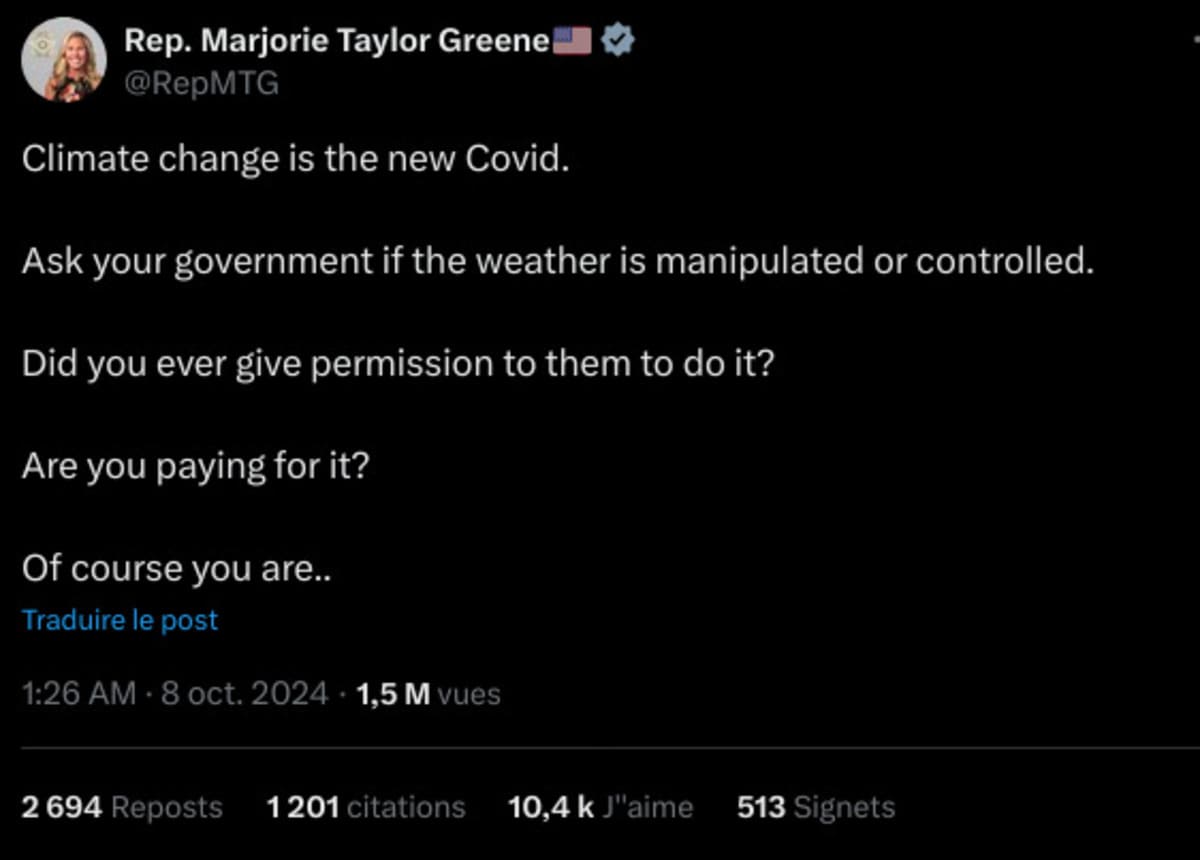
The accusations don’t stop there. In the U.S., during hurricanes Helene and Milton, meteorologists faced death threats. Right-wing figures, including former President Donald Trump and his followers, launched smear campaigns to discredit the role of government policies in these storms. Republican officials even made unfounded claims that the Biden administration had redirected disaster relief funds to support migration programs. The rhetoric escalated, with claims that the government was “controlling the weather.” This marked a dangerous shift from climate skepticism to climate conspiracy theories, with people outright accusing meteorologists of creating the storms. One meteorologist, Katie Nickolaou, shared her chilling experience: “I’ve been told I created and directed the hurricane…that we control the weather. It’s insane.”
A Growing Wave of Misinformation
The spread of disinformation has worsened with platforms like Twitter-X, particularly under Elon Musk’s leadership. Musk has reinstated numerous banned accounts, fueling a surge in climate-related fake news. During recent storms, a few misleading, anti-climate messages went viral, reaching over 160 million people. The ability of misinformation to spread rapidly on social media, particularly around natural disasters, has created a cycle where real science is drowned out by sensationalism and conspiracy theories.
Historian Laure Teulière explains that this phenomenon represents a new form of technocapitalism, which uses climate disasters to further entrench existing power structures. Politicians and industry leaders who benefit from the status quo are stoking fears and anger against ecologists. These tactics are aimed at rallying the public against those advocating for a more sustainable and equitable future.
From Brazil to Canada: Global Attacks on Ecologists
This troubling trend isn’t confined to Europe or the U.S. In Brazil, former President Jair Bolsonaro infamously accused environmental NGOs of setting the Amazon rainforest on fire to damage his administration’s image. “I can’t kill this cancer, these NGOs,” he lamented, even going so far as to call the Paris Agreement a “global conspiracy” aimed at hindering Brazil’s development.
In Canada, conservative politicians added fuel to the fire when wildfires ravaged millions of hectares in 2023. Maxime Bernier, a former foreign affairs minister, claimed that “green terrorists” were intentionally starting the fires to further their climate agendas. Again, these baseless accusations not only distracted from the real issues but also sought to turn public opinion against those working for the planet’s well-being.
NASA warns China could slow Earth’s rotation with one simple move
This dog endured 27 hours of labor and gave birth to a record-breaking number of puppies
Philosopher Dominique Bourg reflected, “Ten years ago, we joked with friends that when things went wrong, we’d be blamed as ecologists. We never expected it to happen so quickly or so violently.”

A Strategy of Obstruction and Denial
This smear campaign against ecologists is part of a larger strategy of obstruction against meaningful climate action. Historian Laure Teulière believes that these attacks are part of a concerted effort to discredit climate activists and environmental experts. The goal is to create an environment where eco-friendly solutions are delegitimized, replaced by pro-growth, pro-technology agendas that do little to address the root causes of climate change.
This rhetoric paints ecologists as both dangerous and naive. On one hand, they are depicted as violent radicals pushing for extreme measures; on the other, they are portrayed as dreamers with impractical ideas. The aim is to undermine their authority and distract the public from the need for urgent action.
Climate Crisis Fuels More Aggression
As natural disasters become more frequent, the climate crisis is paradoxically fueling more climate skepticism and anti-environmental rhetoric. Research from psychologists Iwan Dinnick and Daniel Jolley highlights how, in times of crisis, people may reject the reality of climate change in favor of conspiracy theories. This reaction is rooted in a deep desire for control. When faced with existential threats, people often find comfort in denying the cause, instead opting for scapegoats that allow them to feel in control.
The cycle of denial and disinformation is dangerous. If people refuse to acknowledge climate change, they won’t act to stop it. And as climate change continues to accelerate, the natural disasters will only intensify, further perpetuating this vicious cycle.
Ecologists now find themselves in the role of modern-day Cassandras, warning of the inevitable destruction. Yet instead of being listened to, they are increasingly vilified. In Spain, for example, far-right party Vox has called for the revival of a Franco-era project to build a massive canal in the South, while in France, industrialists are pushing for more monoculture plantations. It’s clear that the response from many is not to address the root causes of climate change but to double down on control and management solutions that ignore the underlying problems.
As the world grapples with the escalating climate crisis, the question remains: will we continue to attack those fighting for the planet, or will we listen and act before it’s too late?