
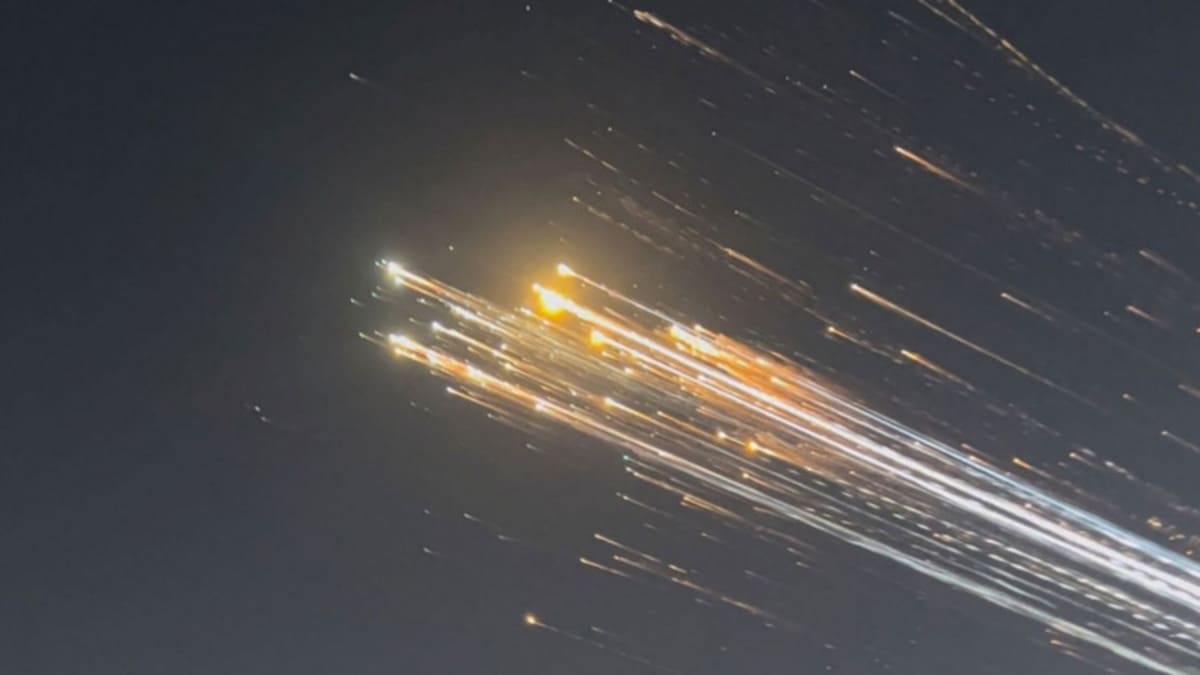
The Federal Aviation Administration (FAA) has finally concluded its investigation into the catastrophic Starship explosion that occurred on January 16, 2025. Surprisingly, SpaceX appears to have cleared the hurdles with minimal fallout.
Amazon co-founder MacKenzie Scott has donated over $19 billion to charity in just five years
Diamond batteries powered by nuclear waste promise 28,000 years of clean energy
FAA’s Official Findings: What Went Wrong with Starship’s Launch?
The highly anticipated Starship launch started off perfectly, with a successful liftoff and a dramatic return of the Super Heavy booster to the Mechazilla launch tower after igniting its 33 Raptor 2 engines. Everything seemed to be on track, but just a few minutes into the mission, disaster struck. The second stage, SN33, the Starship component itself, suffered a catastrophic fire that led to its disintegration about three minutes after signal loss, somewhere above the Turks and Caicos Islands.
After several months of investigation, the FAA has revealed its findings: the explosion was caused by a fuel leak that exceeded the spacecraft’s ability to vent properly. This led to a failure in the propulsion system and, ultimately, the self-destruction of the Starship. According to the FAA’s official statement, “the root cause of the vehicle loss was likely excessive vibrations during the flight, which led to increased stress and failure of the hardware in the propulsion system.”
SpaceX’s Response and Measures Taken
In response to the findings, SpaceX has outlined a series of corrective measures to prevent a repeat of the incident. The company identified 11 specific changes to improve the spacecraft’s design and operations, which the FAA verified had been implemented before the next flight, IFT-8. However, despite these changes, the IFT-8 flight ended with another uncontrolled explosion, this time over the ocean. The FAA is still investigating the incident, raising concerns about whether the issues have truly been resolved.
It’s worth noting that the FAA, which once had a reputation for being very stringent with SpaceX, seems to have adopted a more lenient approach. Their acceptance of SpaceX’s corrective actions and the lack of significant penalties may signal a shift in how the FAA views the company’s future in space exploration.
The New Glenn Booster Incident: A Separate Problem on the Same Day
On the very same day as the Starship disaster, another spaceflight incident occurred with Blue Origin’s New Glenn rocket. While the launch was successful, the booster could not be recovered from the designated sea barge. The FAA reviewed and accepted the investigation conclusions from Blue Origin, which indicated that the failure was due to the New Glenn’s first stage not being able to restart its engines during the return, preventing combustion and resulting in the loss of the booster.
Fortunately, the FAA confirmed that no injuries were reported to the public from the New Glenn incident. Meanwhile, the Starship explosion, which occurred above the Turks and Caicos, caused only “minor damage.” Although both incidents were high-profile, the FAA’s approach has been far more forgiving compared to their past dealings with other space companies.
What Does This Mean for SpaceX?
While the FAA’s findings certainly point to significant technical issues with SpaceX’s Starship program, it’s hard to overlook the lack of serious repercussions for the company. SpaceX has received a somewhat “clean bill of health” despite the setbacks, which suggests that regulatory bodies are still very much supportive of the company’s ambitions. With plans for future missions continuing, and SpaceX being the only private company with such high-profile space endeavors, the future of space exploration may not be as heavily impacted as initially thought.
NASA warns China could slow Earth’s rotation with one simple move
This dog endured 27 hours of labor and gave birth to a record-breaking number of puppies
While the world holds its breath over future launches, one thing is clear: the FAA’s approach to regulating space flight is evolving. As private companies like SpaceX and Blue Origin continue to push the boundaries of space exploration, it’s becoming evident that governments are increasingly open to innovation, even if it comes with some bumps along the way.