
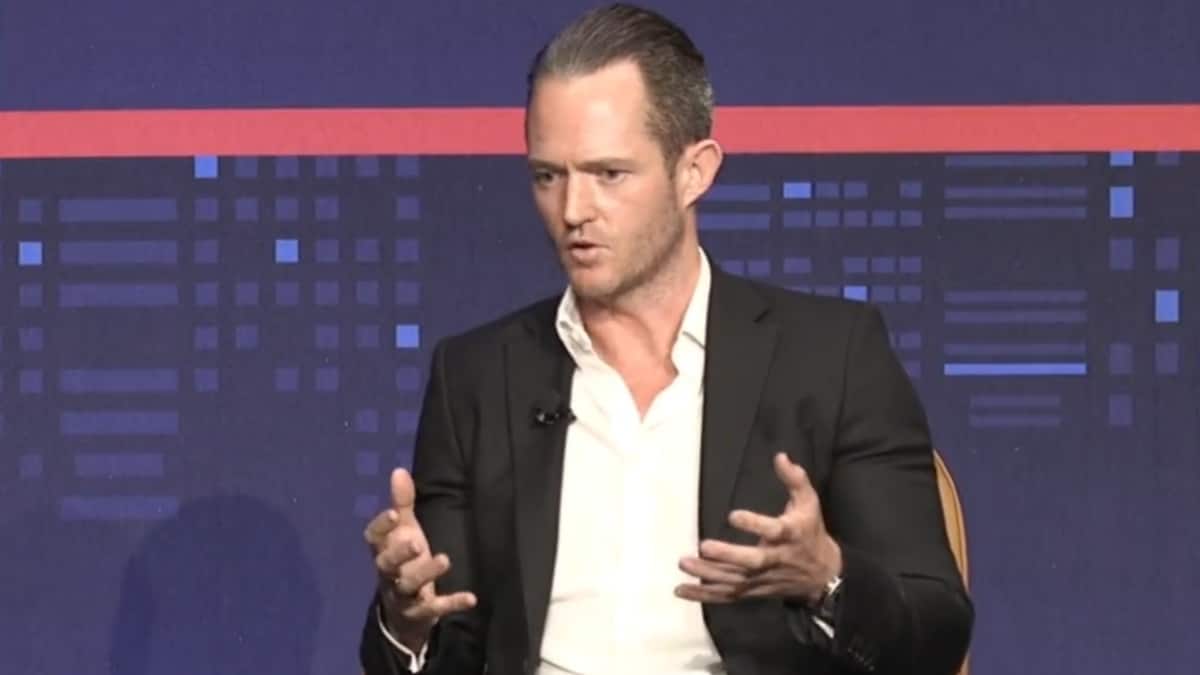
Imagine stepping into a vibrant office filled with creativity and flexibility, only to hear a CEO advocating for a dramatic overhaul of the job market. What if this CEO argued that employees are overpaid and proposed raising unemployment rates to 50% to “remind” workers that they serve their employers? This startling view, espoused by Tim Gurner, a high-profile CEO in the luxury and real estate industries, has sparked fierce debates that echo across businesses worldwide.
Amazon co-founder MacKenzie Scott has donated over $19 billion to charity in just five years
Diamond batteries powered by nuclear waste promise 28,000 years of clean energy
The Fallout of Controversial Leadership
When Tim Gurner shared his thoughts about the workforce in an interview, his remarks created an immediate backlash. He claimed that younger employees had become too complacent, relying too heavily on their positions and the benefits they bring. To address this, he suggested that a dramatic increase in unemployment—around 40 to 50%—would help “reset” the relationship between employers and employees, reminding workers that they are there to serve their bosses.
This perspective has not gone unnoticed and clashes with the aspirations of today’s workforce. The younger generation, in particular, places a high value on work-life balance, flexible work conditions, and recognition of their contributions. The COVID-19 pandemic only accelerated these shifts, as employees began to demand more than just a paycheck—they want meaningful, adaptable work environments. As organizations like the International Labour Organization (ILO) have highlighted, responding to these changing expectations is critical for maintaining a motivated and productive workforce.
The Impact on Employee Morale and Economic Stability
Gurner’s comments have ignited significant criticism. Many see his viewpoint as out of touch, particularly in light of current social realities. Sarah Thompson, a young marketing professional, reflected, “We’re striving for environments where we can thrive both personally and professionally. Suggesting that half the workforce should be unemployed undermines everything we’re trying to achieve.”
Experts warn that advocating for such high unemployment rates could lead to dangerous economic and social repercussions. As The World Bank notes, increasing unemployment can lead to reduced consumer spending, higher poverty rates, and further social instability. Unemployment doesn’t just affect the economy—it also exacerbates issues like inequality and mental health problems, creating a ripple effect that can harm society at large.
Navigating the Challenges of Remote Work
The pandemic has transformed the workplace in profound ways, making remote work a staple for many organizations. While working from home offers greater flexibility and autonomy, it also introduces challenges in managing teams and maintaining a sense of community. Companies must find a delicate balance between leveraging the benefits of remote work and maintaining collaboration and team cohesion.
Gurner’s push for a tougher labor market fails to acknowledge these complexities. Rather than fostering an environment of support and mutual respect, his approach risks creating a disconnect between employers and employees. Harvard Business Review experts argue that sustainable business success lies in embracing new work models—ones that cater to the evolving needs of employees while maintaining operational efficiency.
Understanding the Motivations Behind Gurner’s Stance
There could be several reasons behind Gurner’s controversial stance:
NASA warns China could slow Earth’s rotation with one simple move
This dog endured 27 hours of labor and gave birth to a record-breaking number of puppies
-
Ideological Beliefs: Gurner may hold a neoliberal perspective, where the forces of the market and competition are viewed as the primary drivers of growth and innovation.
-
Personal Interests: As a real estate investor, Gurner might be advocating for a return to office-centric work environments, which could potentially boost demand for commercial properties.
-
Lack of Insight: Gurner’s understanding of today’s workforce may be limited, leading to statements that seem disconnected from the realities that employees now face.
These motivations shed light on the broader issue of how leadership ideologies and personal agendas can shape corporate policies, workplace dynamics, and employee expectations.
Adapting Employer-Employee Relationships for the Future
Gurner’s remarks serve as a stark reminder that employer-employee relationships are constantly evolving. As the traditional work model continues to be questioned, organizations must focus on creating new structures that balance the needs of both employers and employees. Some key strategies include:
-
Reimagining Management Practices: Emphasizing open communication, employee development, and more inclusive decision-making processes.
-
Fostering Social Dialogue: Encouraging regular conversations between management and staff to ensure that concerns are addressed and expectations are understood.
-
Investing in Skills Development: Offering opportunities for employees to enhance their skills and adapt to an ever-changing job landscape.
Organizations like the Society for Human Resource Management (SHRM) advocate for these approaches, which aim to create resilient, adaptable workplaces capable of thriving in a fast-evolving world.
Conclusion
Tim Gurner’s call for increased unemployment and a return to a more rigid, authoritarian work environment has sparked an important conversation about the future of work. While his views remain controversial, they highlight the ongoing need to balance employer authority with employee well-being. As businesses adapt to the challenges of the modern world, embracing flexibility, fostering mutual respect, and investing in employee growth will be essential to creating sustainable, prosperous workplaces for the future.