
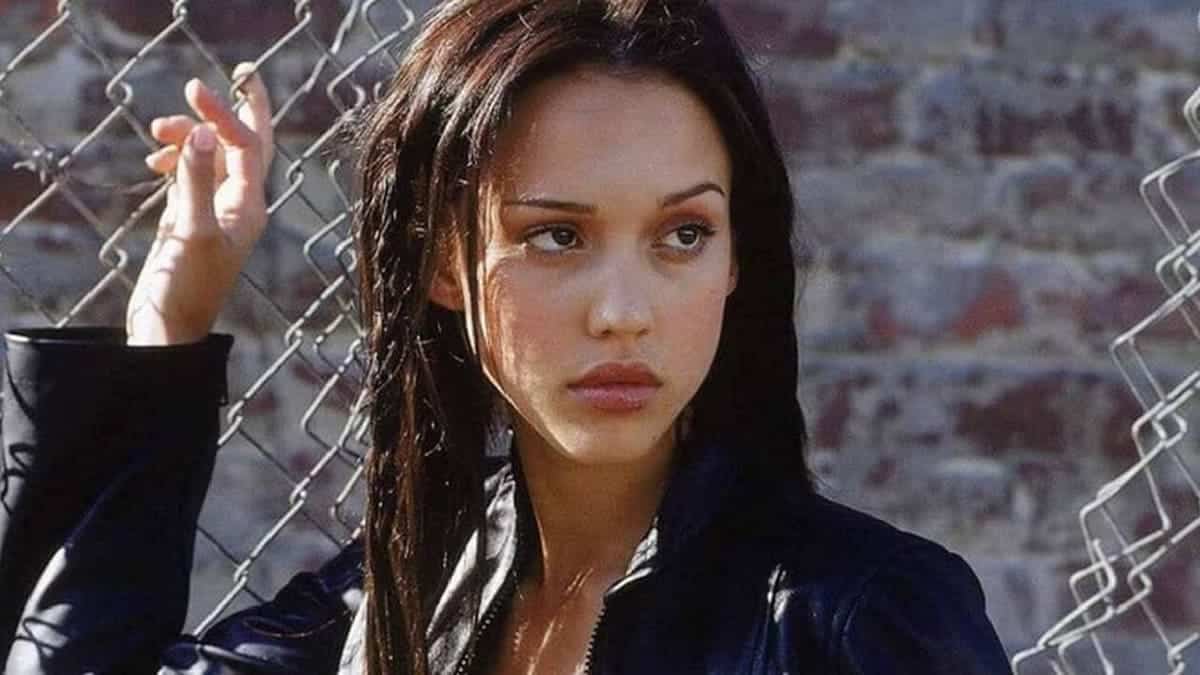
When you think of James Cameron, films like Titanic, Terminator, and Avatar probably spring to mind. These blockbusters set new standards in cinema, and his knack for blending technical innovation with gripping storytelling made him one of the most iconic directors in Hollywood. But did you know that Cameron was also behind a little-known TV show from the early 2000s? Dark Angel, a dystopian series, slipped under the radar for many, despite drawing millions of viewers at its peak. What makes this even more surprising is that it was Cameron’s only foray into television, a medium he’d never fully embraced before.
Amazon co-founder MacKenzie Scott has donated over $19 billion to charity in just five years
Diamond batteries powered by nuclear waste promise 28,000 years of clean energy
The Premise: A Super-Soldier in a Cyberpunk Future
At the heart of Dark Angel is Max Guevara, played by a young Jessica Alba in what would become her breakout role. Max is a genetically engineered super-soldier who escapes from a covert government lab named Manticore. The show begins with her as a child running from a past she can barely understand, and by adulthood, she is a bike messenger by day and a cat burglar by night. Her ultimate goal? To find her “siblings,” other children created in Manticore’s secretive experiments.
The world Cameron and his co-creator, Charles H. Eglee, built is a gritty mix of cyberpunk and biopunk. You can see echoes of Cameron’s earlier works, like Battle Angel Alita, in the way Max struggles with her enhanced abilities. This tension between her human emotions and her superhuman capabilities is central to the show’s exploration of identity, autonomy, and survival in a broken society.
Did you know?
Jessica Alba, before Dark Angel, had appeared in various minor roles, but the show helped launch her into A-list stardom, making her one of Hollywood’s most recognizable stars in the 2000s.

The Show’s Launch and Its Impact
When Dark Angel first aired in 2000, the reception was overwhelming, with its pilot episode pulling in 17.4 million viewers¹. The show had a lot going for it: the striking cinematic look, Alba’s captivating performance, and a high-concept storyline that pushed boundaries. Viewers were drawn in by the prospect of seeing Cameron’s unique brand of storytelling on the small screen. The series didn’t just rely on flashy effects—it tackled bold themes of corruption, genetic engineering, and the morality of scientific advancement.
The show’s supporting cast was also solid. Michael Weatherly played Logan Cale, a cyber-activist and hacker who becomes Max’s confidant and ally. Logan’s role as “Eyes Only,” a mysterious figure working to expose a corrupt government, adds an intriguing layer to the series’ already complex narrative.
One of the most progressive elements of the show was the portrayal of a transgender character, played by transgender actress Jessica Crockett. This was groundbreaking for television at the time and is a testament to the show’s commitment to representation².
A Show with Promise, But Short-Lived
While the first season of Dark Angel was widely praised, the second season saw a sharp decline. Some critics and fans felt the show lost its direction, with the tone becoming uneven and the pacing off. Real-world events like 9/11 and the Enron scandal also made the show’s depiction of a dystopian future feel a bit too close to home for comfort. As a result, Dark Angel was cancelled after just two seasons³.
NASA warns China could slow Earth’s rotation with one simple move
This dog endured 27 hours of labor and gave birth to a record-breaking number of puppies
Despite this, the show developed a loyal following, which was exactly what Cameron had hoped for. He infused the series with the same attention to detail and cinematic world-building that made his movies so successful. However, it was clear that Dark Angel was always meant to be more of a niche project, one that appealed to viewers who were craving something different from the usual TV fare at the time.
A Cult Favourite and the Birth of a Star
Even though Dark Angel didn’t last long, its legacy lives on. The show not only propelled Jessica Alba into stardom but also offered a gritty, cyberpunk world that feels oddly prescient in today’s TV landscape, where series like Altered Carbon and Westworld dominate. It also stands as a reminder of how Cameron—despite being a titan of cinema—was willing to take risks with his storytelling, even on the small screen.
The cult status of Dark Angel is a testament to its lasting appeal, even if it never became a mainstream hit. It’s a hidden gem in the world of sci-fi television, one that perhaps didn’t get the attention it deserved at the time but is now celebrated by a dedicated fan base.
For anyone who missed it the first time around, Dark Angel is more than just an early 2000s relic—it’s a fascinating glimpse into James Cameron’s creative process. It also serves as a reminder that sometimes, even the most famous directors can surprise us with something unexpected.
Footnotes:
-
Dark Angel Pilot Episode Viewership. https://www.imdb.com/fr/title/tt0235326/
-
Trans Representation in TV & Film. https://medium.com/@DrGwenMarshall/trans-representation-in-tv-film-b454d53ba6a3
- Cancelled Too Soon: Dark Angel (2000). https://www.cancelledscifi.com/2025/03/14/cancelled-too-soon-dark-angel-2000/