
Amazon co-founder MacKenzie Scott has donated over $19 billion to charity in just five years
Diamond batteries powered by nuclear waste promise 28,000 years of clean energy
A High-Stakes Compromise
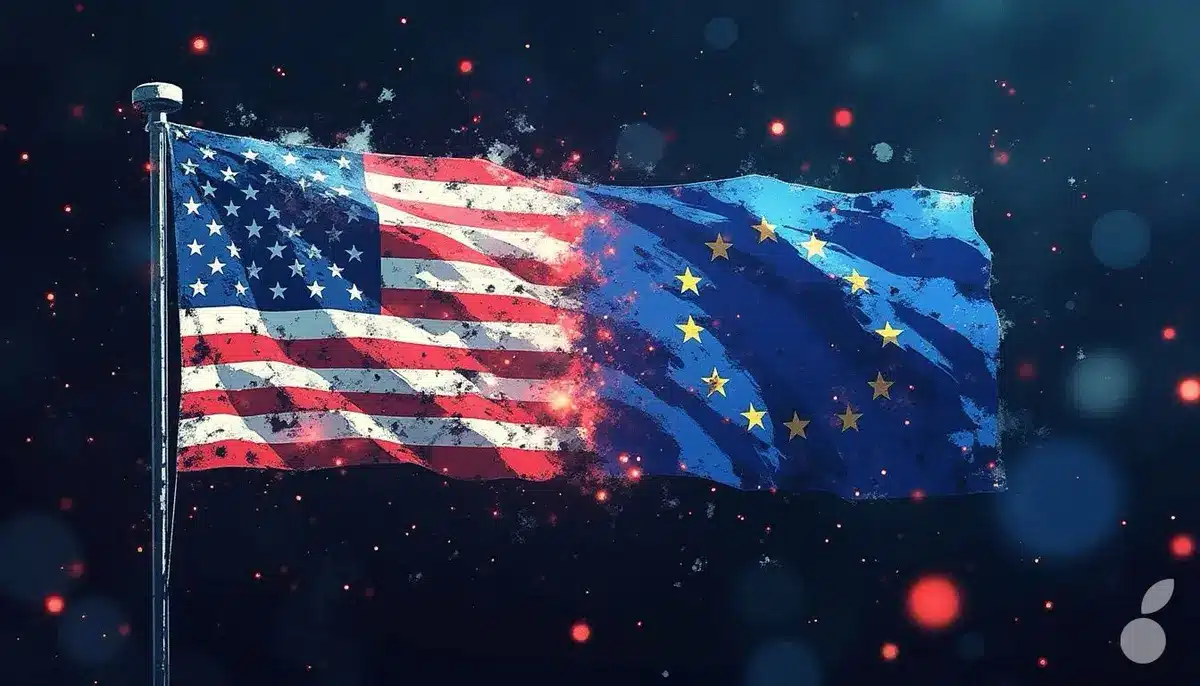
The American President, who has been aggressively pushing for increased tariffs to shield domestic industries, had set a stark ultimatum for August 1st (this coming Friday). Had this deadline passed without agreement, he had threatened to impose tariffs of 30% on all European products entering the United States (up from the current 10%). In response to this pressure, an agreement was reached to cap tariffs at 15% instead.
However, this compromise comes with significant concessions: the EU has agreed to purchase $750 billion worth of American energy, and to invest an additional $600 billion in the United States.
During the press conference, Donald Trump hailed the deal as the largest ever made in terms of trade
, seeing it as a promise of stability, unity, and friendship
between the two blocs. On the other hand, Ursula von der Leyen—slightly more reserved but reassuring—highlighted that it was a good deal
, ensuring stability and predictability on both sides of the Atlantic.
Europe Forced to Negotiate
The meeting took place at Donald Trump’s luxurious golf resort, amidst a mix of diplomatic tension and strategic necessity (one wonders when this will become a Netflix movie?). Before their discussion, both leaders estimated the chances of reaching an agreement at 50-50
. Ultimately, only an hour of discussion was needed.
The German Chancellor, Friedrich Merz, quickly praised the agreement for preventing an unnecessary escalation in transatlantic trade relations
. However, he expressed regret over the lack of significant tariff relief for Europe.
The compromise will still need to be approved by all twenty-seven member states. The ambassadors of the member states, currently visiting Greenland, have been informed of the agreement’s terms and will need to consult quickly.
In practice, European products were already subject to an accumulation of surcharges reaching up to 15% or more, particularly on automobiles (25%), steel and aluminum (50%), and other industrial goods. Additionally, some goods will continue to have special status.
NASA warns China could slow Earth’s rotation with one simple move
This dog endured 27 hours of labor and gave birth to a record-breaking number of puppies
Finally, following a deal reached abruptly after similar agreements with Japan, Vietnam, the Philippines, and Indonesia, some are wondering if Donald Trump is trying to distract from the Epstein case. Meanwhile, next Monday, it’s China’s turn!