

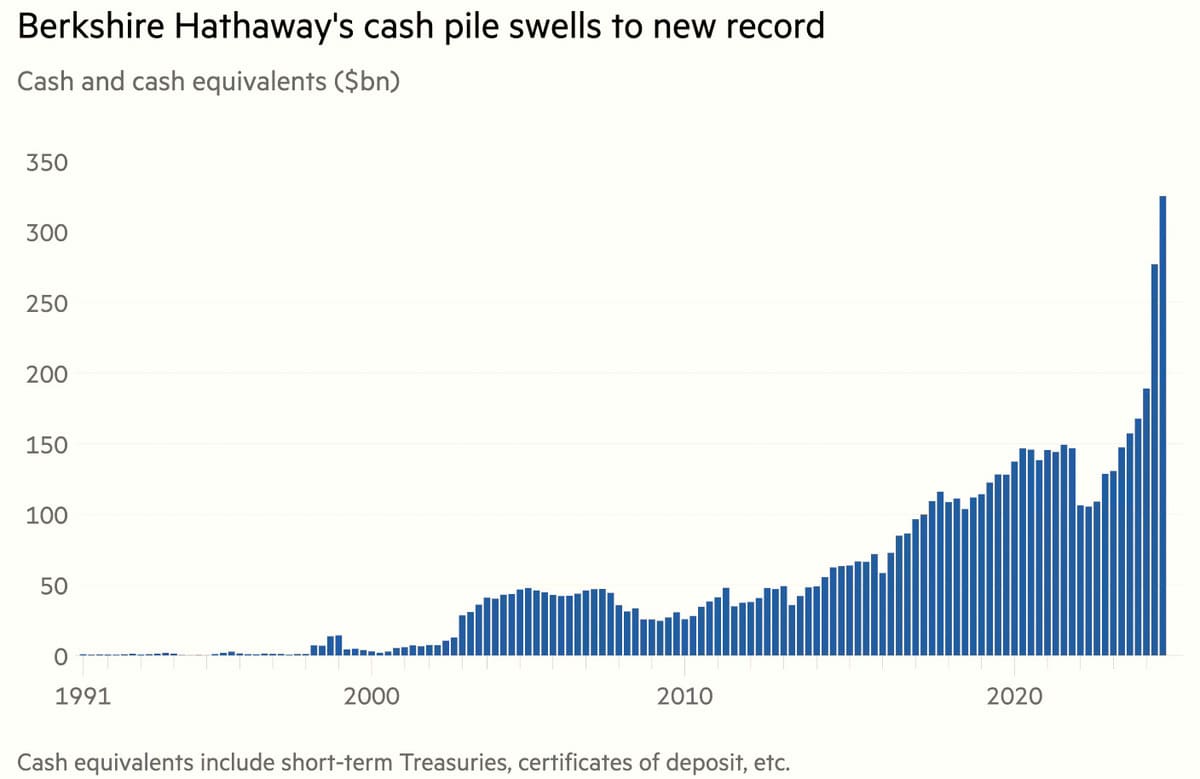
Warren Buffett, known as the Oracle of Omaha, is making headlines again, but not for his usual stock market triumphs. Instead, it’s his strategy of accumulating a record-breaking $325 billion in cash through his company, Berkshire Hathaway, that has caught the world’s attention. The staggering amount of liquidity is unprecedented for a private company, leaving many to wonder: what’s Buffett preparing for?
Amazon co-founder MacKenzie Scott has donated over $19 billion to charity in just five years
Diamond batteries powered by nuclear waste promise 28,000 years of clean energy
A Mixed Quarter for Berkshire Hathaway
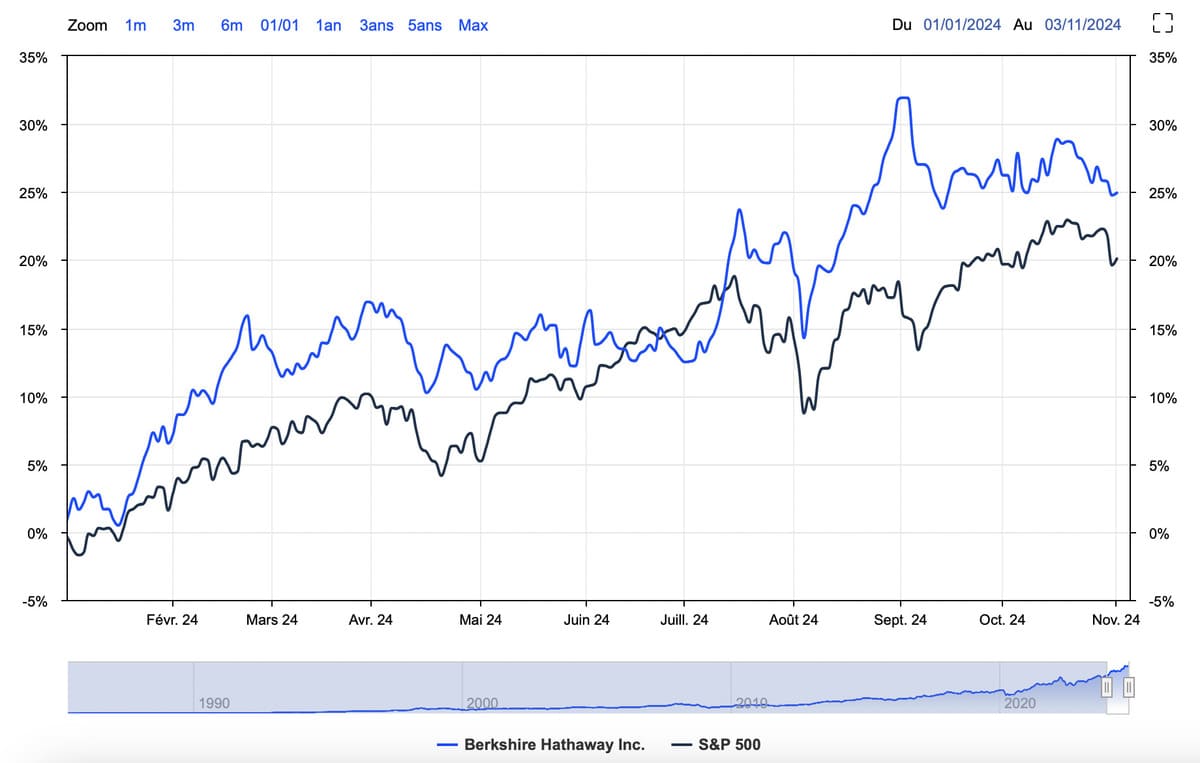
Berkshire Hathaway’s third-quarter results showed a decline in operating profits, largely due to losses in its insurance division. Hurricanes Helene and Milton alone cost the company over $2 billion. Despite these setbacks, Berkshire’s Class A shares have surged by 25% this year, outpacing the S&P 500.
However, the most striking detail in the financials wasn’t the profits or losses but the decision to hoard cash rather than aggressively reinvest it. While Buffett’s holding company has sold $166 billion in stocks over the past two years, it has only spent $1.5 billion on new purchases. Even its stake in Apple, long considered a cornerstone of Berkshire’s portfolio, has been reduced by two-thirds, signaling a cautious approach.
Why the Shift to Cash?
Buffett has always been known for his pragmatic approach to investing, and his recent decisions appear to reflect a growing concern about the state of the market. With a potential recession looming and the specter of higher U.S. tax rates, holding cash gives Buffett the flexibility to pounce on undervalued assets when the time is right.
In a rare public statement, Buffett expressed dissatisfaction with current market valuations, calling alternatives to cash “unattractive.” This sentiment aligns with his decision to invest heavily in short-term Treasury bonds, taking advantage of their higher yields amid fluctuating interest rates.
Apple and Bank of America: A Surprise Sell-Off
One of the most surprising moves was Buffett’s significant reduction in his Apple holdings. Once valued at $178 billion, Apple’s position in Berkshire’s portfolio now stands at just $69.9 billion. Similarly, his stake in Bank of America has been trimmed by over $10 billion. These sell-offs reflect a broader trend in Buffett’s strategy: shifting away from equities and focusing on liquidity.
No Stock Buybacks This Quarter
For the first time in a while, Berkshire did not engage in any stock buybacks, a strategy Buffett typically employs when he believes the company’s stock is undervalued. Instead, Buffett has indicated he will only resume buybacks when Berkshire’s market price falls below its intrinsic value.
NASA warns China could slow Earth’s rotation with one simple move
This dog endured 27 hours of labor and gave birth to a record-breaking number of puppies
Preparing for What’s Next
At 94, Buffett remains at the helm of Berkshire Hathaway, but the question of succession looms large. Greg Abel, his designated successor, will face the challenge of managing an empire with unparalleled cash reserves. For now, Buffett’s strategy reflects his cautious optimism: he’s waiting for the right moment to capitalize on opportunities, while preparing for economic turbulence.
Whether it’s a looming market correction, a recession, or simply Buffett’s trademark prudence, one thing is clear: the Oracle of Omaha is playing the long game. Investors around the world are watching closely, knowing that Buffett’s decisions often signal larger trends in the global economy.