
In a significant escalation of the ongoing tech rivalry, China has implemented stringent export restrictions on several critical minerals, sending shockwaves through the U.S. technology and defense sectors. This move not only underscores China’s strategic leverage in the global supply chain but also poses substantial challenges for American industries reliant on these essential materials.
Amazon co-founder MacKenzie Scott has donated over $19 billion to charity in just five years
Diamond batteries powered by nuclear waste promise 28,000 years of clean energy
China Locks Down Essential Minerals
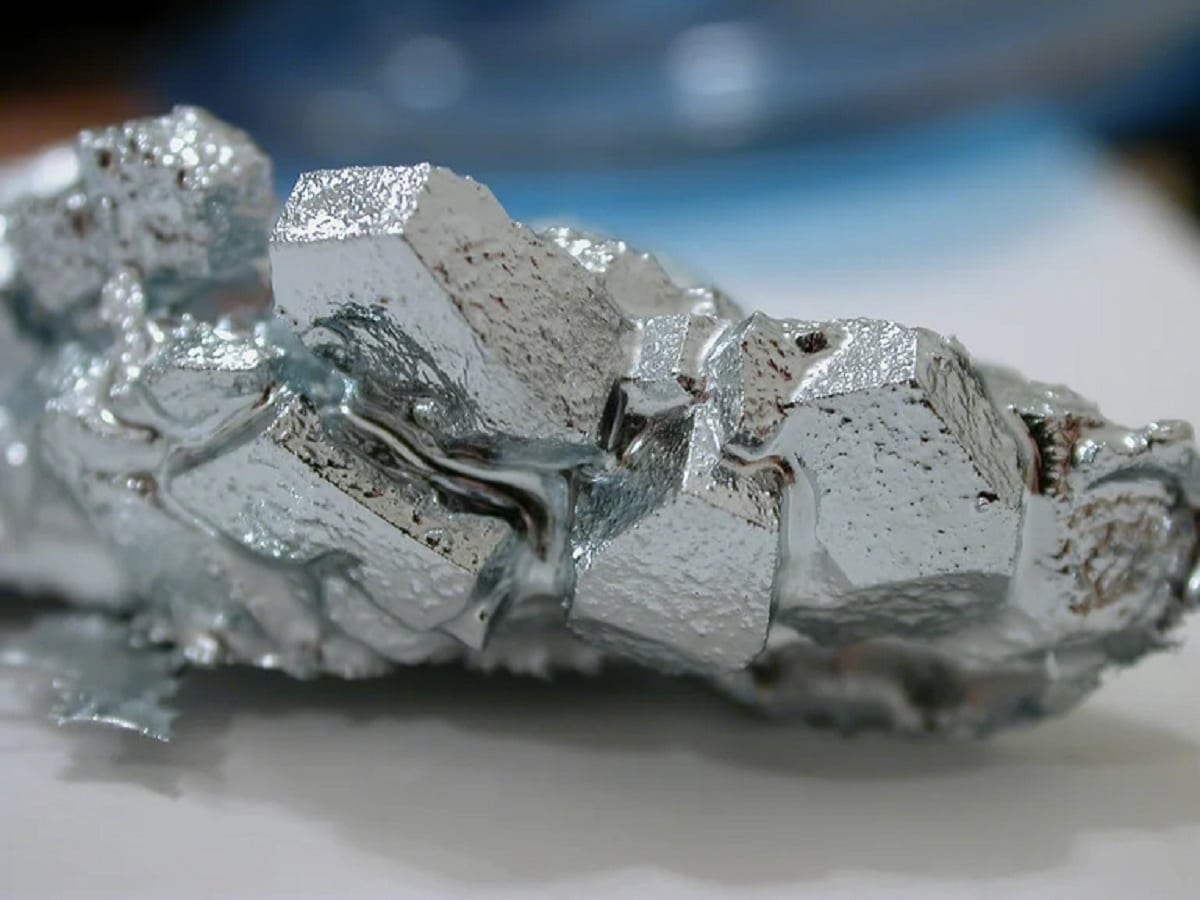
China has officially banned the export of gallium, germanium, and antimony to the United States. These minerals are indispensable for the production of semiconductors, infrared technologies, and various military applications, placing the U.S. in a precarious position. According to Reuters, this decision follows closely on the heels of the U.S. government’s recent enhancements to restrictions on Chinese access to advanced technologies, marking a new chapter in the technological standoff between the two superpowers.
The Chinese Ministry of Commerce justified the ban by citing national security concerns and the need to tighten control over materials with dual-use potential, both for civilian and military purposes. This embargo has already begun to take effect and includes strict regulations on the export of graphite, a key component in the manufacturing of electric vehicle batteries. The New York Times highlights that this move represents one of China’s strongest retaliatory measures in response to the restrictive policies imposed by the United States in recent years.
Dominance in Global Mineral Supply
With China producing 94% of the world’s gallium and 83% of germanium, the country’s grip on these resources significantly hampers U.S. access. Additionally, China controls 48% of global antimony production, which is crucial for both military technologies and advanced electronics. The restricted availability of these minerals complicates the U.S.’s ability to sustain its semiconductor manufacturing and defense production, which are heavily reliant on a stable supply of these materials.
Immediate Market Repercussions
The immediate impact of China’s export restrictions has been stark. The Guardian reports that the price of antimony has surged by 228% this year alone due to the tightened supply. American manufacturers of semiconductors and military hardware, already striving to diversify their supply chains, now face increased vulnerability. A spokesperson from the White House indicated that the administration is currently evaluating measures to mitigate this supply disruption, emphasizing the urgent need to reduce dependence on Chinese minerals.
Escalation of U.S.-China Tech Tensions
China’s decision comes amidst a backdrop of escalating tensions, with the United States having recently expanded its list of Chinese companies subject to export controls. Over 140 entities in the semiconductor industry have been targeted in an effort to prevent China from leveraging American technology in advanced AI systems and military weaponry. The British press notes that these reciprocal measures heighten the already fraught trade relations and deepen the technological divide between the two nations.
NASA warns China could slow Earth’s rotation with one simple move
This dog endured 27 hours of labor and gave birth to a record-breaking number of puppies
Furthermore, there are indications that China may extend its export restrictions to other vital minerals such as nickel and cobalt, which are essential for battery production and renewable energy technologies. Such developments would further exacerbate trade tensions and raise significant security concerns in the West.
Economic Implications for the United States
The economic fallout from China’s export ban is poised to be substantial. A study by the U.S. Geological Survey (USGS) estimates that disruptions in the supply of gallium and germanium could result in losses exceeding $3 billion. These losses would directly impact sectors like technology and defense, which rely heavily on these minerals to produce strategic products.
American companies are now faced with the urgent need to find alternative sources or develop substitutes for these critical materials. This scramble not only involves significant financial investment but also poses long-term strategic challenges as the U.S. seeks to secure its technological and military advancements against a backdrop of increasing global competition.
Looking Ahead: Strategies and Solutions
In response to China’s export restrictions, U.S. policymakers and industry leaders are exploring various strategies to mitigate the impact. Efforts include investing in domestic mining operations, strengthening alliances with other mineral-producing countries, and accelerating research into alternative materials. Additionally, there is a growing emphasis on recycling and reusing these critical minerals to reduce dependency on foreign sources.
Jane Smith, an analyst at Morningstar, commented, “Warren Buffett has a remarkable track record of investing in companies during their down periods. While Occidental and Sirius XM are facing significant hurdles, his deepened investments indicate strong confidence in their future performance.”
Conclusion
China’s recent restrictions on the export of vital minerals like gallium, germanium, and antimony represent a bold assertion of its strategic control over the global supply chain. As the United States grapples with the immediate economic repercussions and long-term strategic challenges, the need for robust solutions becomes increasingly apparent. This development not only highlights the intense rivalry between the world’s two largest economies but also underscores the critical importance of securing reliable sources of essential materials in the age of technological advancement and geopolitical tension.
As the U.S. navigates these complexities, the actions taken in the coming months will be pivotal in shaping the future dynamics of international trade and technological leadership.