
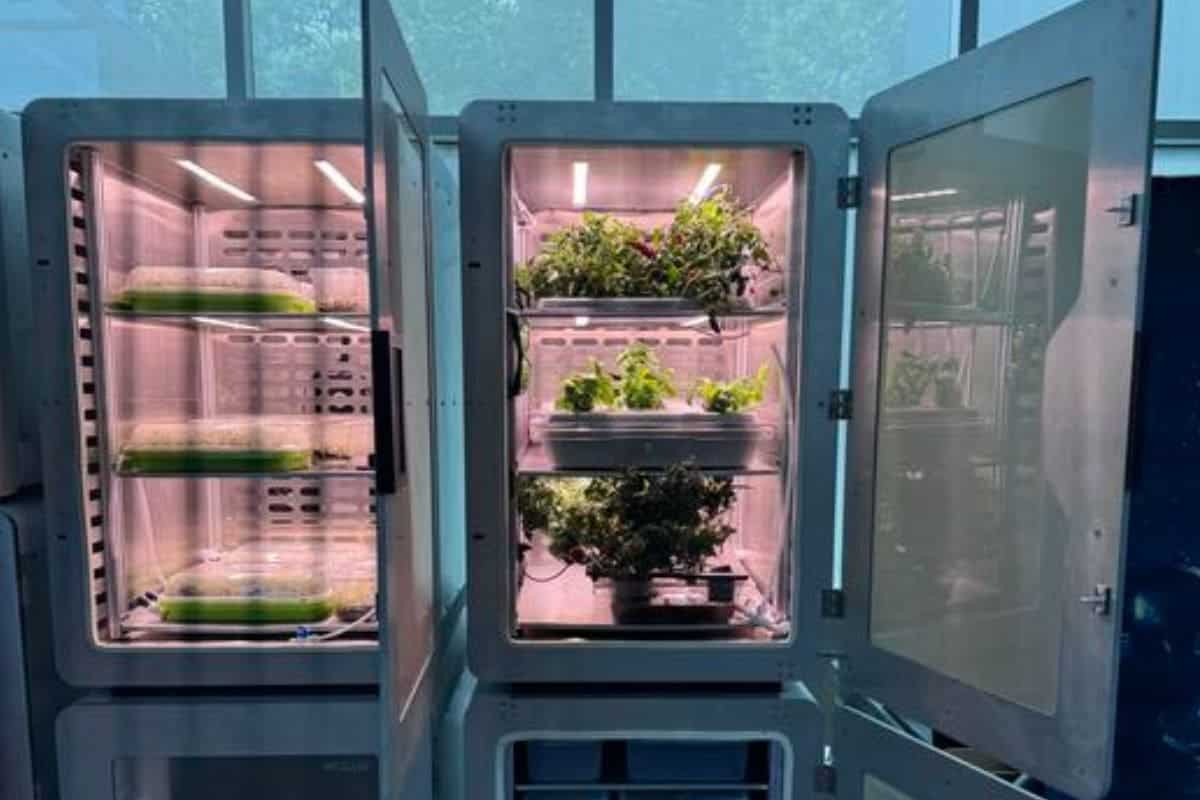
As the global population continues to grow, questions surrounding how to feed the world in the coming decades are becoming more urgent. With projections suggesting the Earth’s population could exceed 9.6 billion by 2050, there’s increasing pressure to rethink traditional agricultural practices. Enter electro-agriculture, a cutting-edge technology that could radically change food production and efficiency, much like the advent of fertilizers did in the 20th century.
Amazon co-founder MacKenzie Scott has donated over $19 billion to charity in just five years
Diamond batteries powered by nuclear waste promise 28,000 years of clean energy
What is Electro-Agriculture?
At its core, electro-agriculture is a groundbreaking approach that replaces the traditional process of photosynthesis. In conventional plants, photosynthesis only converts about 1% of the light energy absorbed into chemical energy, which plants then use to grow. Electro-agriculture seeks to improve this efficiency by using solar panels to trigger a chemical reaction between carbon dioxide (CO2) and water. This reaction produces acetate, a molecule that plants can directly use as food. This method eliminates the need for sunlight, allowing plants to grow in controlled environments without relying on natural sunlight.
Increased Efficiency with a Drastically Reduced Land Footprint
One of the most striking advantages of electro-agriculture is its potential to drastically reduce the need for land. In theory, it could reduce the amount of land required for farming by as much as 94%. This drastic reduction would free up millions of hectares of farmland, which could then be converted into natural habitats or used for other human purposes. Imagine growing food in vertical farms, multi-story structures that optimize space and resources. This system could make food production more sustainable and less dependent on the unpredictable impacts of climate change. With this approach, experts estimate that electro-agriculture could potentially support a population of 136 billion people, far exceeding our current global population.
The Crucial Role of Acetate
At the heart of electro-agriculture is acetate, the molecule that replaces sunlight as the primary energy source for plants. In the natural growth process, plants use metabolic pathways to break down food reserves in their seeds during germination, a process that typically halts once photosynthesis begins. Bioengineers are working on a way to reactivate these pathways in mature plants, allowing them to consume acetate and continue growing without sunlight. This innovative step could unlock new possibilities in how we think about and manage food production.
More Than Just a Theory

Initial research into electro-agriculture has yielded promising results. In experiments, plants like tomatoes and lettuce have not only survived but thrived using acetate as an energy source. These successful trials pave the way for broader applications, especially for caloric crops like cassava, sweet potatoes, and grains. The ability to cultivate these essential food sources indoors, without relying on direct sunlight, could revolutionize global food strategies, especially in regions with limited sunlight or high population density.
Environmental Implications and the Future
The potential environmental benefits of electro-agriculture are enormous. By drastically reducing the land needed for agriculture, this method could also lead to a significant reduction in the carbon footprint associated with traditional farming practices. Additionally, electro-agriculture enables a more precise management of resources such as water and fertilizers, further reducing the negative environmental impacts of conventional agriculture. This could be a game-changer in mitigating the harmful effects of climate change on food production.
Other Organisms and Commercial Applications
The applications of electro-agriculture extend beyond plants. Organisms like fungi, yeasts, and algae naturally use acetate as a source of energy, making electro-agriculture a viable technology for expanding into new areas of food production. This adaptability makes the technology attractive for commercial use, offering the potential to revolutionize not only plant cultivation but also the production of other types of food.
NASA warns China could slow Earth’s rotation with one simple move
This dog endured 27 hours of labor and gave birth to a record-breaking number of puppies
As the global population continues to grow, the need for more efficient, sustainable, and climate-resilient agricultural practices has never been greater. Electro-agriculture presents a radical yet promising solution that could fundamentally change how we produce and consume food in the future. With ongoing research and development, this technology could provide the foundation for a new era in food security, one that is capable of meeting the demands of billions, if not trillions, of people.