
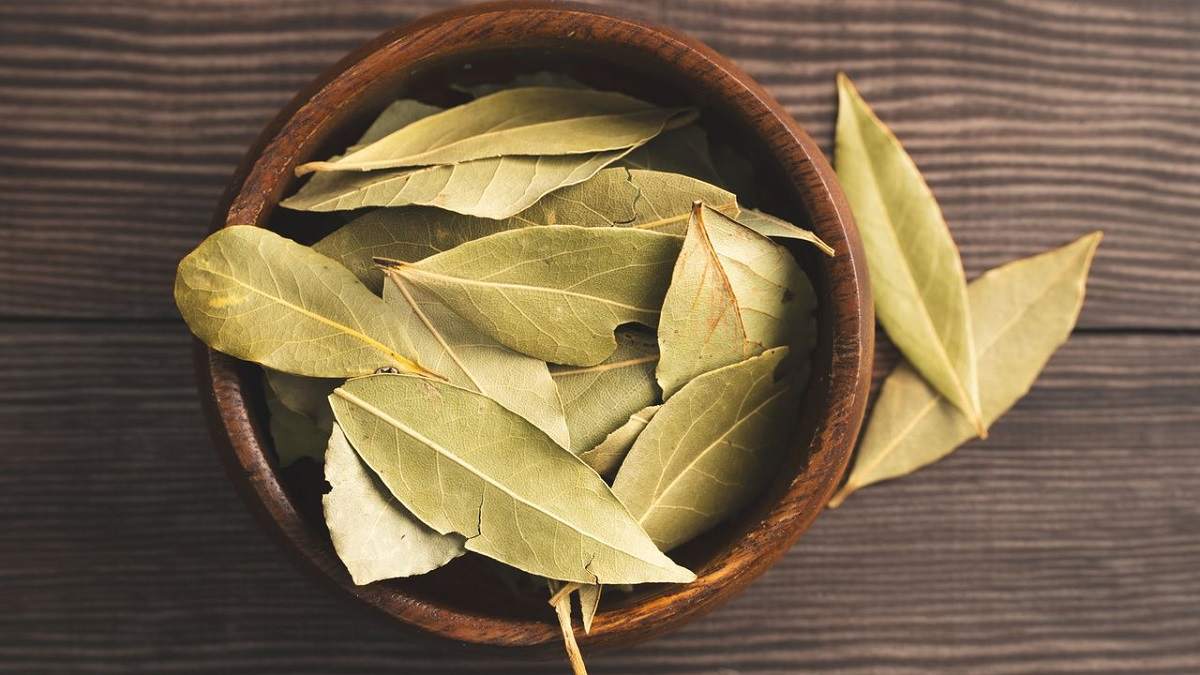
A staple in kitchens around the world, bay leaves are best known for adding depth to stews, soups, and roasted meats. But beyond their culinary uses, they have been prized since ancient times for their medicinal properties. Used in traditional remedies for centuries, this Mediterranean plant offers a range of health benefits, from easing cold symptoms to relieving digestive discomfort and joint pain.
Amazon co-founder MacKenzie Scott has donated over $19 billion to charity in just five years
Diamond batteries powered by nuclear waste promise 28,000 years of clean energy
A Natural Remedy Packed with Benefits
Often referred to as bay laurel or sweet bay, this evergreen shrub is native to the Mediterranean region. Unlike oleander or cherry laurel, which are purely ornamental and toxic if ingested, bay laurel is perfectly safe and packed with essential vitamins and minerals. It contains vitamins A, B, C, and D, along with calcium, iron, potassium, and magnesium, all of which play a key role in maintaining good health.
Thanks to its antibacterial, antiviral, and anti-inflammatory properties, bay leaves can help fight off respiratory infections and soothe sore throats. Their expectorant effects make them particularly useful in winter when colds and bronchitis are more common. They are also known for supporting digestive health, easing bloating, gas, and sluggish digestion.
In addition, bay leaves are used to relieve joint and muscle pain, making them a natural ally for those suffering from rheumatism. Their calming properties extend beyond physical ailments, as they are also believed to reduce stress, promote relaxation, and encourage better sleep—a trick many grandmothers knew well when they placed a bay leaf under their pillow for a restful night.
How to Use Bay Leaves for Health Benefits
While bay laurel is a valuable medicinal plant, it is essential to distinguish it from toxic varieties before using it. If sourcing fresh leaves, be sure they come from the edible bay laurel (Laurus nobilis).
One of the easiest ways to enjoy its benefits is through a bay leaf infusion. Steeping a few dried leaves in boiling water creates a soothing tea that helps with digestion, sore throats, and relaxation before bedtime.
In cooking, bay leaves are a key ingredient in the classic bouquet garni, which enhances the flavors of soups, sauces, and meat dishes. They can also be used in powdered form to season food more subtly.
For muscle and joint pain, bay leaf essential oil can be diluted with a carrier oil and used for massage on sore areas. This can help ease stiffness, inflammation, and tension. Additionally, adding a few drops of bay leaf oil to a diffuser can create a relaxing atmosphere, reducing stress and promoting a sense of calm.
NASA warns China could slow Earth’s rotation with one simple move
This dog endured 27 hours of labor and gave birth to a record-breaking number of puppies
Precautions to Keep in Mind
Despite its many benefits, bay laurel is not recommended for pregnant or breastfeeding women or children under seven years old. Those with sensitive skin should also be cautious when using bay leaf essential oil, as it may cause irritation or allergic reactions. Always perform a patch test before applying it directly to the skin.
With its rich history and impressive health benefits, bay laurel remains one of nature’s most versatile plants. Whether used in cooking, herbal teas, or essential oils, it offers a natural way to support respiratory health, digestion, pain relief, and relaxation—a true kitchen staple with therapeutic power.