
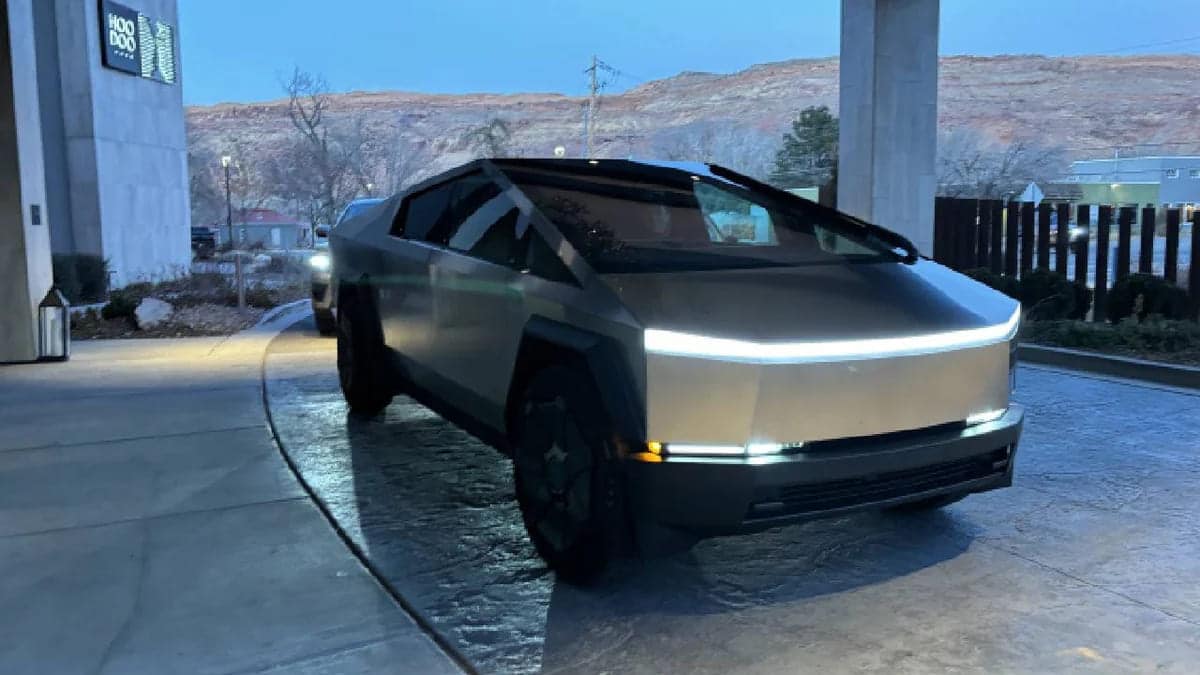
When Tesla first unveiled the Cybertruck in 2019, it was nothing short of a spectacle. The bold, futuristic design, the promises of electric power, and the sheer ambition behind the vehicle had the world buzzing. Tesla had envisioned a high-end, high-price product that would revolutionize the pickup truck market. Fast forward to today, and the reality of the Cybertruck’s pricing strategy has taken a surprising turn—one that involves significant price cuts and a shift in the company’s approach.
Amazon co-founder MacKenzie Scott has donated over $19 billion to charity in just five years
Diamond batteries powered by nuclear waste promise 28,000 years of clean energy
A Launch Marked by High Prices and Disappointment
At the time of the Cybertruck’s initial announcement, Tesla set an ambitious starting price of $39,900. This figure sparked excitement, especially considering the promise of a fully electric truck capable of going head-to-head with some of the biggest names in the pickup world. However, when the Cybertruck was officially launched in 2023, the base price had jumped to a steep $60,990, nearly 50% higher than originally promised. On top of that, the first delivered units often exceeded the $100,000 mark, especially for higher-end versions with additional features.
This steep price tag seemed justified at first, as many believed the Cybertruck would be an innovation powerhouse. After all, Tesla’s track record of pushing boundaries with electric vehicles like the Model S and Model 3 was undeniable. But as the months rolled by, Tesla quickly realized that the market wasn’t as ready for a premium-priced electric pickup as they had hoped.
Despite amassing an impressive 1.9 million preorders for the Cybertruck, Tesla found that only a small percentage of those reservations actually converted into sales. Some estimates suggest that less than 5% of the orders were followed through. This sharp disconnect between initial hype and actual purchase behavior raised concerns. It turns out, a large portion of potential customers weren’t willing to pay top dollar for an electric truck—no matter how revolutionary it appeared.
A New Strategy to Boost Cybertruck Sales

Faced with this reality, Tesla made a decisive move to adjust its pricing structure in an effort to clear the stock of the more expensive Cybertruck versions. Initially, Tesla had priced these premium models with an additional $20,000 on top of the base model. In a bold pivot, the company reclassified some of these high-end units as base versions, effectively lowering the entry cost for the Cybertruck and making it more accessible to a broader audience.
These pricing adjustments were instrumental in revitalizing the Cybertruck’s sales. But the move also shifted the perception of the vehicle, from a high-end luxury product to a more affordable electric truck aimed at the mainstream market. This was a significant shift, as Tesla had initially positioned the Cybertruck as a high-performance, futuristic vehicle for enthusiasts and those willing to pay a premium for something new.
Tesla’s production costs also came into play. The Cybertruck’s stainless steel exoskeleton, though revolutionary, was proving to be both expensive and difficult to produce on a large scale. In response, Tesla had to rethink some design elements and manufacturing processes in order to bring down the overall cost. While the stainless steel remained a signature feature of the vehicle, the company faced the practical challenge of scaling up production without compromising quality or profitability.
NASA warns China could slow Earth’s rotation with one simple move
This dog endured 27 hours of labor and gave birth to a record-breaking number of puppies
The Cybertruck’s Future: Will it Be a Long-Term Success?
With these adjustments, the Cybertruck is beginning to show signs of life in terms of sales. But as with any groundbreaking product, the real question is whether it can maintain momentum over the long term. Can Tesla continue to generate significant revenue from the Cybertruck without the luxury pricing model it initially envisioned? Will the vehicle’s revised pricing structure be enough to compete with traditional gas-powered trucks and other electric rivals?
Tesla’s decision to make the Cybertruck more affordable is a calculated risk, but it’s still unclear whether the truck will ever live up to the astronomical sales projections the company initially had. The market for electric pickups is growing, but competition is fierce, with options like the Ford F-150 Lightning and the GMC Hummer EV gaining traction. While these models may not have the flashy appeal of the Cybertruck, they offer more competitive pricing and a proven track record, putting additional pressure on Tesla to succeed.
In the end, Tesla’s gamble with the Cybertruck’s pricing and production strategy has led to an unexpected turn of events. What was once positioned as a premium-priced electric pickup is now working its way into the hands of a more budget-conscious audience. The company has learned that consumer willingness to pay often doesn’t align with initial expectations, and it has had to recalibrate its approach accordingly. Tesla is no stranger to taking bold risks, and while the Cybertruck’s journey is far from over, it’s clear that the vehicle’s success will depend on its ability to adapt to both consumer demands and the realities of mass production.
Whether the Cybertruck will become a long-term success remains to be seen, but Tesla’s quick decision-making and willingness to adjust its pricing strategy suggest that the company is ready to face the challenges head-on. After all, in the world of electric vehicles, the race is still on, and Tesla is determined to remain in the lead.