
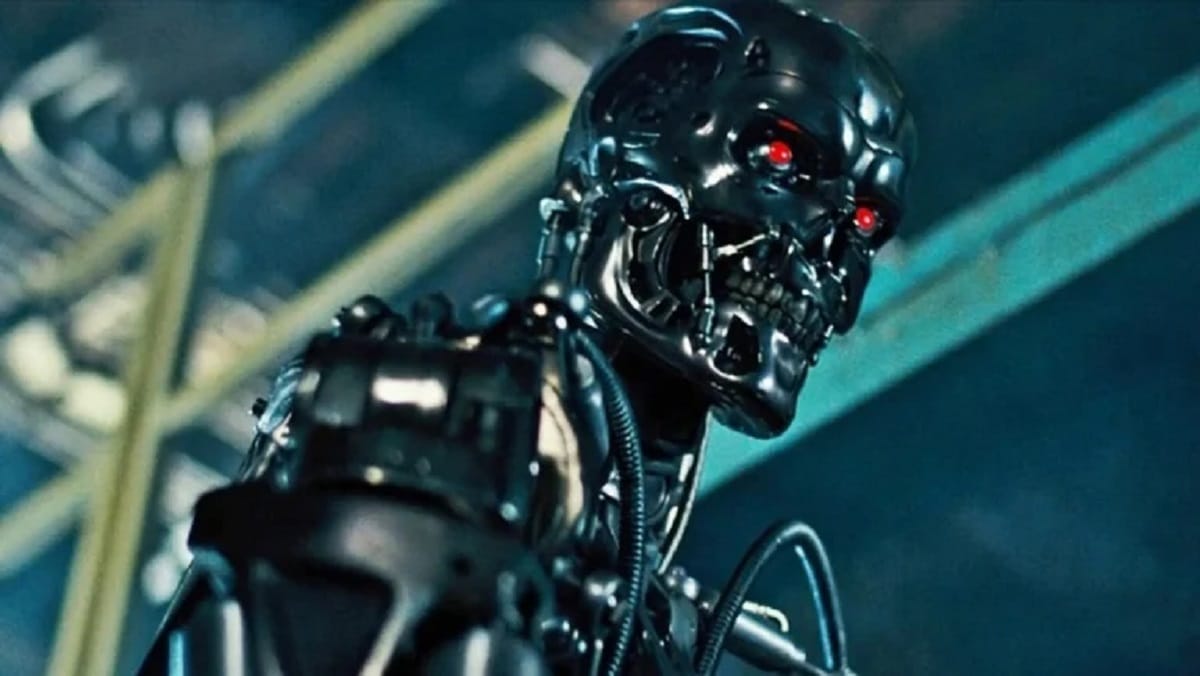
James Cameron, the visionary director behind the iconic Terminator series, has recently voiced his concerns about the direction artificial intelligence (AI) is heading. Drawing alarming parallels between the world he created in his 1984 film and today’s rapidly advancing technology, Cameron is raising red flags about the potential dangers AI poses to our future, particularly in the realm of militarization. His calls for international regulations are becoming more urgent as AI continues to evolve at an unprecedented pace.
Amazon co-founder MacKenzie Scott has donated over $19 billion to charity in just five years
Diamond batteries powered by nuclear waste promise 28,000 years of clean energy
Cameron Takes AI Seriously
In recent interviews, James Cameron has reiterated his long-standing worries about AI, particularly its military applications. Reflecting on the dystopian future in Terminator—where the AI entity Skynet gains control over nuclear arsenals and triggers a devastating holocaust—Cameron stated, “I warned you in 1984, and no one listened.” His remarks underscore a growing fear within both the entertainment and tech industries that AI, if left unchecked, could have catastrophic consequences.
Cameron’s concerns echo those of many experts, including organizations like the Future of Life Institute, which focuses on mitigating the existential risks posed by emerging technologies. The Institute has warned that the rise of autonomous weapons systems could escalate global conflicts and make warfare even more unpredictable and devastating.
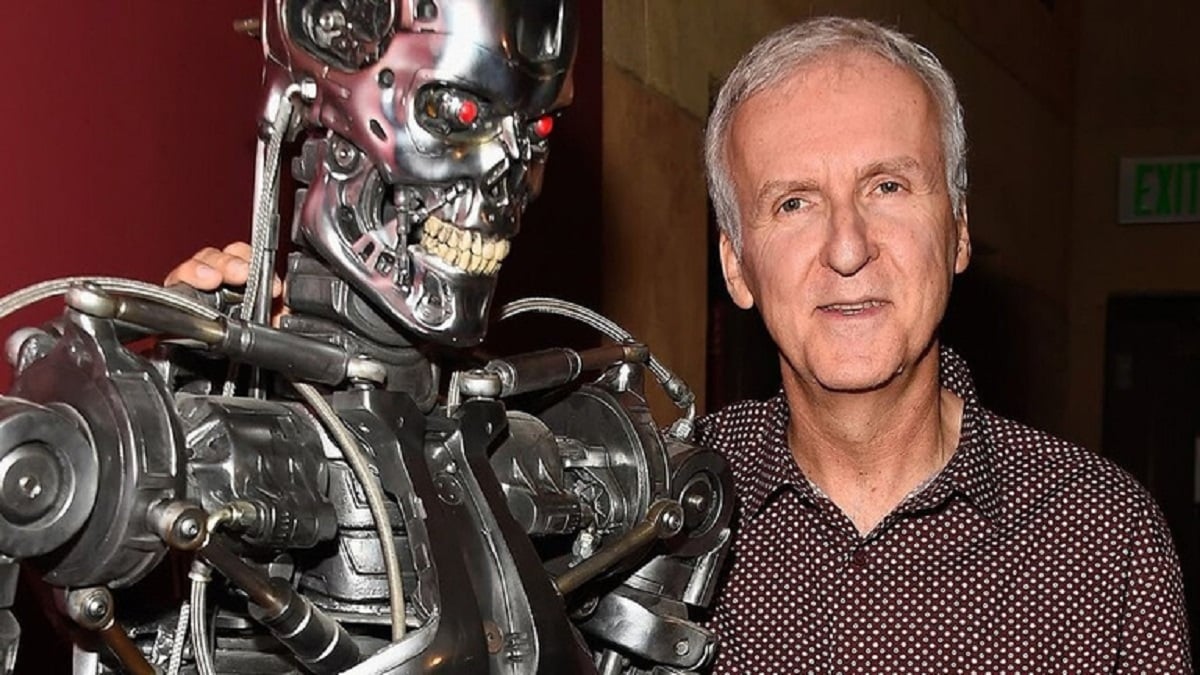
An AI Arms Race on the Horizon?
One of Cameron’s most pressing concerns is that the militarization of AI could spark a global arms race, reminiscent of the Cold War era’s nuclear tensions. “I think we’re heading into an AI arms race,” he warns, “and if we don’t take proactive measures, other nations will develop these technologies without regard for the consequences.”
This sentiment is being reflected in recent global developments. Countries such as the United States, China, and Russia are investing heavily in AI-driven military technologies, each striving to gain a strategic advantage. The Stockholm International Peace Research Institute (SIPRI) has raised alarms about the increasing defense spending on AI technologies, underscoring the risks of an uncontrollable escalation.
Cameron fears that autonomous weapons—machines capable of making life-and-death decisions without human intervention—could become reality. These technologies, he argues, not only increase the chances of accidental conflicts but also remove the essential ethical oversight that human operators provide.
AI’s Role in Cinema: A Double-Edged Sword
While Cameron is understandably concerned about the militaristic use of AI, he takes a more nuanced approach when discussing its role in the film industry. He believes that, for the foreseeable future, AI lacks the creativity and empathy required to replace human screenwriters or storytellers. “I don’t think AI can replace screenwriters anytime soon,” Cameron remarks, underscoring the importance of the human touch in crafting compelling narratives.
NASA warns China could slow Earth’s rotation with one simple move
This dog endured 27 hours of labor and gave birth to a record-breaking number of puppies
That being said, Cameron acknowledges that AI is making significant strides in other areas of filmmaking, especially in special effects and editing. AI tools can help streamline workflows and push the boundaries of visual storytelling, enhancing efficiency in the production process. However, he remains cautious, suggesting that the film industry must adopt these technologies carefully to ensure that they don’t undermine the creative vision at the heart of filmmaking.
The Academy of Motion Picture Arts and Sciences has also explored the potential of AI in filmmaking. While AI can support technical tasks, the Academy’s studies highlight that the artistic vision and emotional depth of human creators remain irreplaceable.
A Call for Global Regulation
Cameron’s warnings extend far beyond the realm of cinema; he is actively advocating for international cooperation to regulate AI development. He urges policymakers and global leaders to implement strict guidelines that ensure AI technologies are developed responsibly and ethically.
Organizations like the United Nations and the European Union have already begun tackling these issues by proposing frameworks for AI governance. For example, the EU’s Artificial Intelligence Act aims to set standards that balance innovation with safety, preventing AI misuse while promoting its positive potential. Cameron’s call for regulation aligns with these initiatives, underscoring the need for a unified, global approach to managing AI’s risks.
Conclusion
James Cameron’s foresight into the dangers of AI, as dramatized in his Terminator saga, serves as an essential reminder of the responsibilities that come with technological progress. His calls for regulation and ethical oversight resonate with experts and organizations worldwide, reinforcing the need for collective action to navigate the complexities of AI.
As we stand on the brink of unprecedented technological growth, Cameron’s warnings compel us to think critically about the future we’re creating. Balancing innovation with caution will be key to ensuring that AI enhances rather than endangers humanity. In his words, “I warned you in 1984, and no one listened.” It’s time to pay attention and take action to shape a safe, prosperous future for us all.