
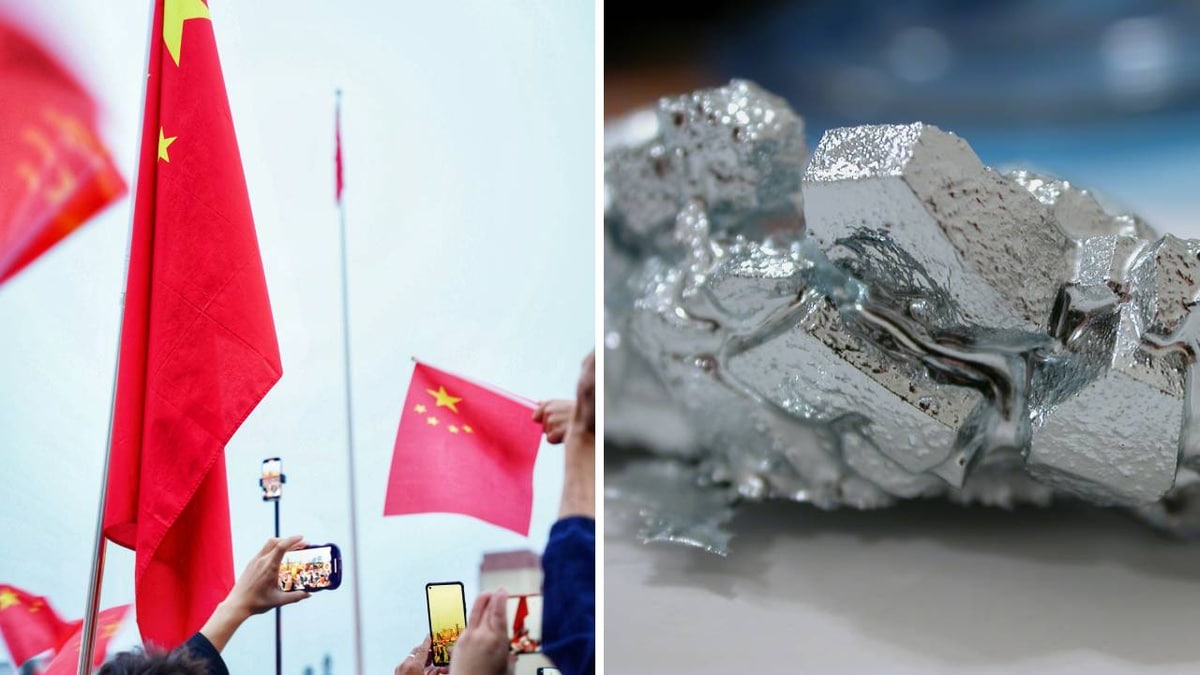
In a dramatic turn that has caught many by surprise, China has tightened export controls on critical minerals that are vital for semiconductor manufacturing and advanced defense technologies in the United States. This move, echoing the ongoing tech rivalry between the two superpowers, has sent ripples through both the tech and defense sectors.
Amazon co-founder MacKenzie Scott has donated over $19 billion to charity in just five years
Diamond batteries powered by nuclear waste promise 28,000 years of clean energy
China Tightens Grip on Key Minerals
In recent weeks, China has enacted a series of export restrictions on minerals such as gallium, germanium, and antimony. These materials are not only essential for producing high-performance semiconductors and infrared devices but also play a key role in numerous military applications. The decision, justified by national security concerns and the dual-use nature of these resources, marks one of the most aggressive steps in recent times. Reflecting on similar episodes in history, I recall a friend in the tech industry sharing his concerns over how such measures can instantly alter the supply chain dynamics.
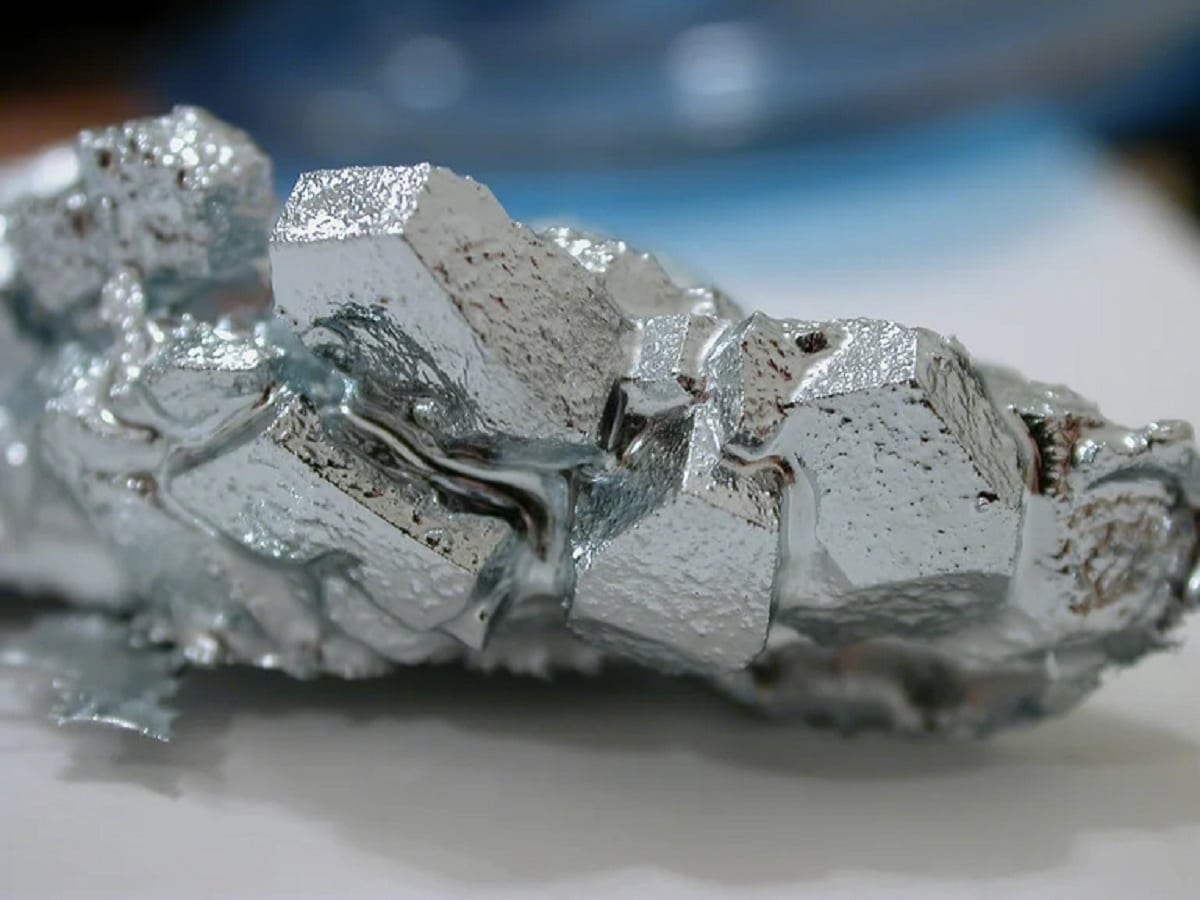
Global Dominance of China’s Mineral Supply
It’s hard to overstate the importance of these minerals when you consider that China controls a staggering majority of their production—94% of gallium and 83% of germanium, along with nearly half of the global antimony output. This near-monopoly leaves American industries in a vulnerable position. Just imagine trying to bake a cake when the only flour available is controlled by one supplier—it limits your options, and you’re at the mercy of their policies. Trusted outlets such as Reuters have noted that this dependency magnifies the risks inherent in relying on a single source.
Immediate Impact on the Markets
The market reaction has been swift and significant. Reports indicate that the price of antimony has skyrocketed by over 200% this year alone. For manufacturers working on semiconductors and military hardware, this isn’t just an abstract economic statistic—it’s a real, tangible challenge that affects their day-to-day operations. I recently spoke with a former engineer who recalled a time when a similar supply shock forced his team to halt production, highlighting how such disruptions can ripple across the industry. The Guardian has also drawn attention to these price surges, underlining the urgent need for companies to diversify their supply chains.
Rising Tensions in Tech Warfare
This latest measure comes at a time when the U.S. has been bolstering its own restrictions on Chinese technology firms, particularly those involved in cutting-edge AI and defense systems. Over 140 companies have recently been targeted by new export controls, escalating the technological standoff. This tit-for-tat escalation not only strains trade relations but also widens the technological divide. Reflecting on this dynamic, I’m reminded of the perennial chess match between rivals, where every strategic move prompts an equally calculated counter-move. Major news outlets like The New York Times have been closely monitoring these developments, painting a picture of a high-stakes global tech contest.
Economic Fallout for the U.S.
The broader economic implications for the United States are alarming. According to studies by the U.S. Geological Survey, disruptions in the supply of these essential minerals could potentially cost the U.S. economy billions of dollars, particularly impacting the tech and defense sectors. It’s akin to watching a well-oiled machine start to sputter when a key component is suddenly removed. American companies now face the urgent task of either securing alternative sources or investing heavily in developing substitutes—a challenge that requires both time and significant capital.
NASA warns China could slow Earth’s rotation with one simple move
This dog endured 27 hours of labor and gave birth to a record-breaking number of puppies
Looking Ahead: A Strategy for Resilience
In response to these sweeping export restrictions, U.S. policymakers and industry leaders are already brainstorming solutions. Strategies under consideration include ramping up domestic mining operations, forging stronger ties with other mineral-rich nations, and pushing for innovative research into alternative materials. There is also a growing emphasis on recycling and reuse to reduce overall dependence on foreign sources. During a recent industry roundtable, an expert quoted from a respected financial magazine remarked, “This is a wake-up call for American industries to rethink and retool their supply chains for a more secure future.”
As the tech landscape continues to evolve, these strategic shifts could not be more timely. For those of us watching these developments unfold, it serves as a reminder of how interconnected and delicate our global supply chains truly are.
By weaving together historical insights, real-life examples, and expert commentary, it’s clear that the current situation is not just about economics—it’s about national security and the future of technology on a global scale.