
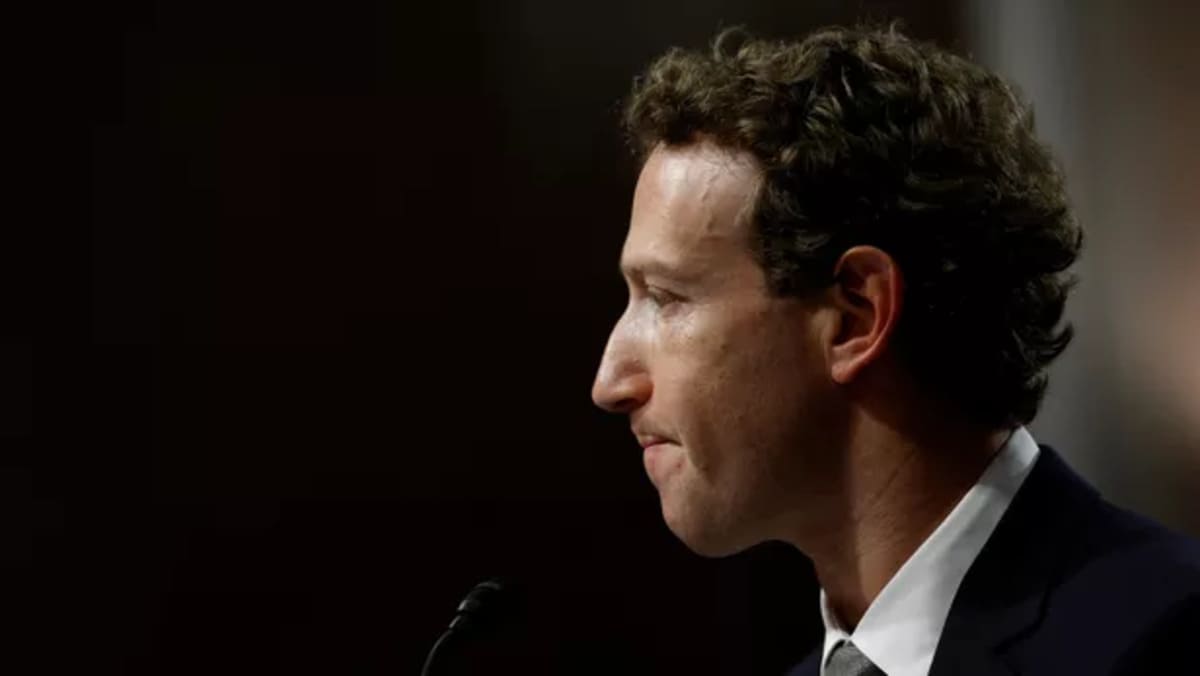
In a courtroom showdown that could shake the social media landscape, Mark Zuckerberg and his company Meta are battling allegations that their acquisitions of Instagram and WhatsApp were anti-competitive and reinforced a monopolistic hold over the social media market. At stake? The future of two of the most popular apps on the planet. If Meta loses, it might be forced to divest these platforms, potentially altering the way we interact online forever.
Amazon co-founder MacKenzie Scott has donated over $19 billion to charity in just five years
Diamond batteries powered by nuclear waste promise 28,000 years of clean energy
The Legal Battle
Meta is scheduled for a crucial court hearing in Washington, D.C. on April 14, 2025. The Federal Trade Commission (FTC), the body tasked with protecting consumers, is arguing that Zuckerberg’s company used its market power to buy Instagram in 2012 for $1 billion and WhatsApp in 2014 for $19 billion, in order to eliminate competition and maintain dominance in the personal social media space. If the case goes against Meta, it could face a forced separation from these two platforms—an unprecedented move that would redefine social media as we know it.
For Zuckerberg, this is a battle to preserve the empire he built. While the tech mogul has long been a supporter of political figures, including Donald Trump, his actions over the years to lobby and build relationships with political leaders in the U.S. are now under scrutiny. Meta has engaged in several attempts to negotiate a settlement with the administration, making this legal battle all the more significant for the future of the company.
Is Meta a Monopoly?
The central issue in this trial is whether Meta abused its dominant position in the market. The FTC argues that for over a decade, Meta has maintained a monopoly over personal social networking services, allowing it to control how users interact online. In this case, the agency claims that platforms like TikTok and YouTube don’t fall within the same category, focusing specifically on services that help people stay connected with family and friends.
However, Meta’s defense is that Instagram and WhatsApp offer unique services, and the fact that competitors are innovating in response only shows how dynamic the market is. According to Meta, its platforms remain part of an ever-evolving ecosystem where new competitors are constantly emerging and improving.
The FTC’s Arguments: “Difficult Questions” for Meta
During the eight weeks of the trial, the FTC plans to use evidence to demonstrate that Meta’s monopoly harms consumers. They argue that users are suffering from excessive advertisements, sudden interface changes, and a lack of competition that would otherwise improve the experience. The FTC will also present emails from Zuckerberg himself, which shed light on how he viewed Instagram’s potential before its acquisition.
In one email, Zuckerberg said, “The impact potential of Instagram is really scary, and that’s why we should consider paying a lot of money.” That’s a pretty telling remark, given that Instagram now boasts over 2 billion users. The message seems to reveal his recognition of Instagram’s market power even before the acquisition, supporting the argument that the purchase was a strategic move to shut out competition.
Meta’s Defense: Transforming Startups into Giants
On the flip side, Meta’s defense will highlight its substantial investments that turned Instagram and WhatsApp into the tech giants they are today. Lawyers representing Meta will argue that the FTC initially approved both acquisitions, and it would be unfair for the agency to revisit these decisions after so many years. Meta’s legal team is confident that their handling of these platforms has helped them flourish, creating millions of jobs and fostering innovation in ways other companies haven’t.
NASA warns China could slow Earth’s rotation with one simple move
This dog endured 27 hours of labor and gave birth to a record-breaking number of puppies
Bigger Picture: Antitrust Actions Against Tech Giants
This lawsuit is one of many antitrust cases that have been filed in recent years against big tech companies. The FTC is not alone in its actions—Google was found guilty of abusing its dominant position in online search last year, and both Apple and Amazon are facing similar charges. Despite these efforts, the FTC has faced several legal setbacks, unable to prevent Meta’s acquisition of Within or Microsoft’s buyout of Activision Blizzard.
The judge presiding over this case, James Boasberg, has already warned that the FTC will face tough questions about the strength of its claims. He made it clear that the court will carefully examine whether the FTC’s accusations can hold up under scrutiny.
What’s at Stake?
The outcome of this case will have massive implications, not just for Meta but for the entire tech industry. If the court rules in favor of the FTC, the precedent could alter how companies handle mergers and acquisitions in the future. However, if Zuckerberg and Meta win, it could reinforce the idea that massive tech companies can grow even bigger, further entrenching their control over the global market.
Whether or not you are a Facebook user, the decision in this case will likely affect how we interact with social media for years to come. The entire tech ecosystem—from content moderation practices to competition laws—could shift depending on what the courts decide.
As the trial progresses, all eyes will be on the outcome. Zuckerberg’s empire could be at stake, but so too could be the broader landscape of digital monopolies and what defines fair competition in the age of technology.