
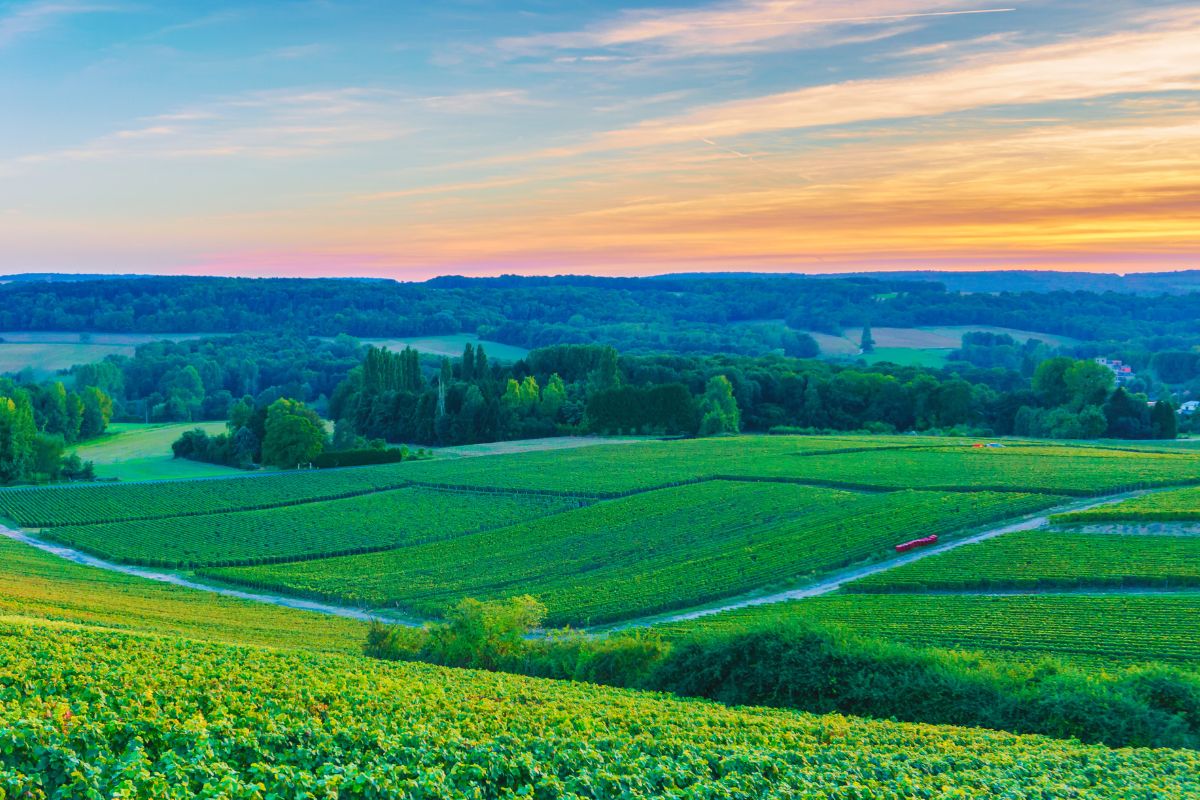
The Grand Est region of France, often overshadowed by more famous industrial hubs, is quietly leading the charge in mineral production. Home to vast natural resources, this region plays a critical role in supplying essential materials for industries worldwide, yet its significant contributions remain underappreciated.
Amazon co-founder MacKenzie Scott has donated over $19 billion to charity in just five years
Diamond batteries powered by nuclear waste promise 28,000 years of clean energy
The Grand Est: A Mineral Powerhouse
The Grand Est region is a hidden gem when it comes to mineral production in France. Despite not being a household name in the global mining industry, it is, in fact, the largest producer of minerals in the country. In 2015 alone, it produced an impressive 9.1 million tons of minerals, contributing significantly to sectors ranging from construction to pharmaceuticals.
The region’s mineral wealth includes both primary and secondary resources, making it a key player in France’s industrial landscape. As industries increasingly focus on sustainability and the energy transition, the Grand Est’s strategic reserves of minerals such as lithium, copper, and zinc are becoming more important than ever.
Mining for the Future: Primary Mineral Resources
The Grand Est is home to a wide variety of primary mineral resources, which have shaped its industrial identity over the centuries. For example, the Lorraine iron basin, once a major source of iron ore, played a crucial role in the development of the region’s steel industry. Though iron extraction ceased by the late 20th century, the legacy of this industry is still felt today.
Coal was another major resource in the region, with the Lorraine coal basin powering much of the industrial revolution in France. Though coal mining also declined in the late 20th century, the region’s mining heritage is significant.
More recently, the Alsace potash mines became a cornerstone of local industry. The Max mine in Richwiller, for instance, produced nearly 2.7 million tons of salt in its active years, fueling the chemical industry. These mineral resources, while not as heavily exploited today, have paved the way for the region’s modern mining efforts.
New Opportunities: Copper and Lithium in the Grand Est
Though France has not produced copper in over two decades, the Grand Est still holds promising copper deposits. The region of Sainte-Marie-aux-Mines is known for its metallic veins, containing significant copper resources. These reserves could potentially contribute to the global supply of this critical metal, which is vital for electric vehicle batteries and other high-tech industries.
Another exciting development in the Grand Est is the potential for lithium extraction in Alsace. Lithium, a crucial component in battery production, has gained enormous importance with the rise of electric vehicles and renewable energy storage. Projects are underway to extract lithium from geothermal brines, which could position the Grand Est as a key supplier of lithium for Europe’s green transition.
NASA warns China could slow Earth’s rotation with one simple move
This dog endured 27 hours of labor and gave birth to a record-breaking number of puppies
The Role of Secondary Mineral Resources
In addition to its primary mineral resources, the Grand Est is also a leader in secondary mineral resources, which are derived from the circular economy. These include recycled materials like concrete aggregates, plaster, and recycled glass—all crucial for reducing the environmental footprint of construction and manufacturing industries.
The Grand Est region has a significant stockpile of these resources, although up-to-date figures are not always available. These materials are an essential part of the region’s sustainable development efforts, ensuring that valuable resources are reused and recycled rather than disposed of.
Geothermal Energy: A Growing Resource
Beyond traditional mining, the Grand Est is also making strides in geothermal energy. The region has substantial potential for both shallow and deep geothermal energy, which could play a pivotal role in reducing France’s reliance on fossil fuels. The French government has introduced measures to streamline procedures for geothermal projects, which could help accelerate their development in the region.
The combination of mineral and geothermal resources places the Grand Est at the forefront of energy transition efforts, particularly as the world shifts toward more sustainable and renewable sources of power.
Economic and Environmental Challenges
Despite the region’s rich resource base, there are significant challenges facing mining activities in the Grand Est. Environmental concerns are top of the list, particularly regarding the impact of mining on local water resources and the potential for pollution. Additionally, regulatory hurdles can slow down the approval processes for new projects.
However, the Grand Est is actively working to address these challenges. The French government has committed to simplifying the regulatory processes for strategic mining projects, ensuring that the region can continue to capitalize on its valuable mineral resources while minimizing environmental harm.
A Bright Future for the Grand Est
Looking ahead, the Grand Est’s mineral potential holds great promise for France’s economy, especially as the world transitions to cleaner energy and more sustainable industries. The development of lithium extraction, the continued use of secondary mineral resources, and the region’s geothermal energy projects position it as a key player in the future of European industrial supply chains.
In 2024, the Grand Est has a GDP of €182 billion, contributing about 7% of France’s total economy. Its mining sector is integral to this success, providing materials for construction, energy, and many high-tech industries. As the region focuses on building a more resilient and sustainable economy, the Grand Est’s mining activities will continue to play a vital role in shaping the future of energy and industry in France.
The Grand Est is proving that it doesn’t just have a rich past in mining—it has a promising future as a central hub in France’s transition to greener energy and sustainable development. The potential is there, and it’s clear that the Grand Est is ready to lead the way.