
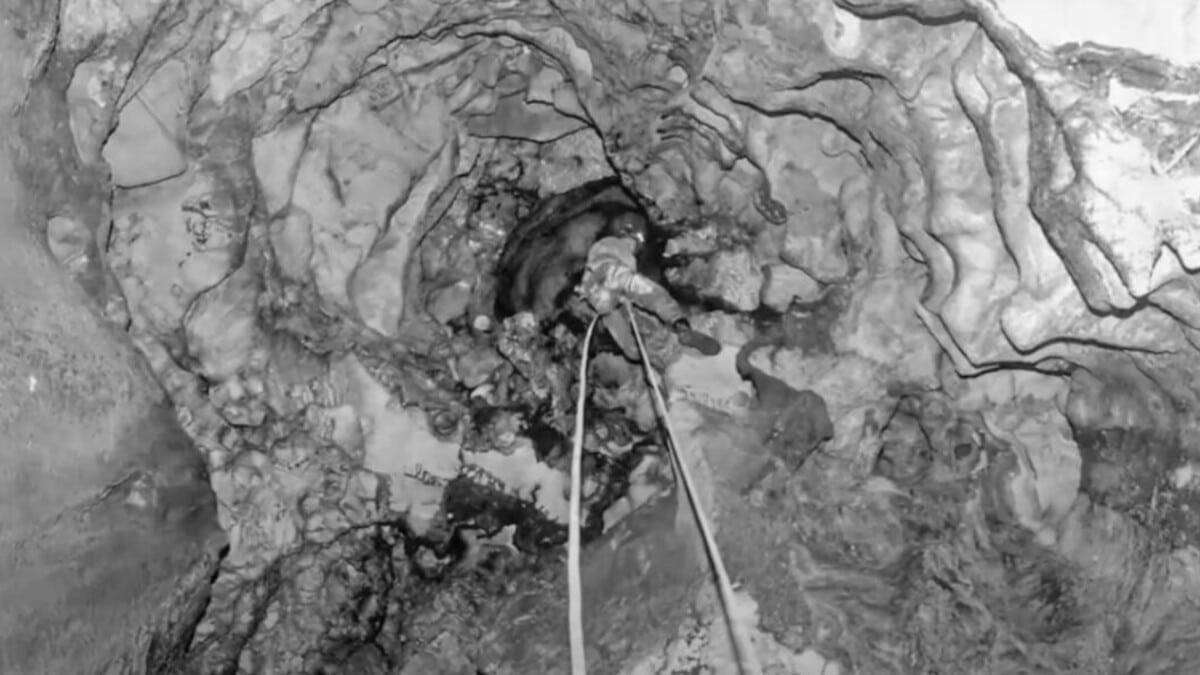
An archaeological dig near Jerusalem has uncovered what could be one of the most fascinating and mysterious sites ever discovered—a cave believed to be linked to necromancy and ancient rituals. The discovery, which has caught the attention of historians and archeologists alike, hints at a portal to the underworld, tucked away in the hills surrounding the city. Could this be a long-lost temple of dark rites, or merely a relic of a bygone era?
Amazon co-founder MacKenzie Scott has donated over $19 billion to charity in just five years
Diamond batteries powered by nuclear waste promise 28,000 years of clean energy
A Hidden Cave in the Heart of Jerusalem
The Te’omim cave, nestled in the hills of Jerusalem, has long been the subject of legend. It was known to be a site of pagan worship dating back two millennia, and its intriguing mix of historical facts and folklore has made it a popular place for visitors seeking to explore both its natural beauty and its dramatic past. The cave served as a hideout for Jewish rebels during the Bar Kokhba revolt in the second century CE. However, the latest discoveries in the cave go beyond historical events, hinting at something far more eerie and mysterious.
In 2009, the Hebrew University of Jerusalem and Tel Aviv’s Bar-Ilan University began joint excavations at the site. The teams have already uncovered over 120 intact oil lamps, weapons, coins, vases, and even three human skulls. The arrangement of these items, particularly the lamps and skulls, points to their ritualistic use. But the most recent findings suggest that this wasn’t just a place for physical hiding—it may have been a hub for dark ceremonies.
Necromancy: A Ritual of the Past?
In early July, an article published in the Harvard Theological Review by archaeologists Eitan Klein and Boaz Zissu shed new light on these findings. The researchers cautiously suggest that the Te’omim cave may have been used for necromantic ceremonies during the Late Antiquity period, making it a temple or nekyomanteion (a temple of necromancy) where people sought to communicate with the dead.
The objects found in the cave, many of them stashed in nearly inaccessible crevices, are believed to have been used in magical practices aimed at summoning spirits and predicting the future. According to the study, items such as the oil lamps, ceramic cups, and even a hatchet and daggers, were all tools used in these ancient rituals. The lamps, which vastly outnumbered the skulls—forty times more, in fact—suggest that the ceremonies involved offerings to chthonic (underworld) forces.
A Mysterious Pool and Well
Among the most striking findings were a deep well and a natural spring that had carved out a stone basin. Both of these features have long been associated with access to the underworld in ancient belief systems. Wells and water sources were often seen as conduits to other realms, including the world of the dead.
The discovery of these elements, combined with the ritualistic objects, provides valuable insight into the divination rites once practiced at the cave. These rites were likely used to commune with the spirits of the deceased, as evidenced by similar spells found in ancient Greek and Egyptian papyri. These findings not only provide a window into the practices of the past but also offer a tangible connection to the mystical traditions of the era.
Unlocking the Secrets of the Past
This new discovery is more than just an archaeological find—it’s a glimpse into an ancient world where people sought to understand the unknown and perhaps control the forces of life and death. As the excavation continues, researchers hope to uncover even more secrets about the rituals that took place in this eerie and mysterious place. Whether the Te’omim cave was truly a portal to the underworld or simply a location for dark magic, it’s clear that its history is far from ordinary.
NASA warns China could slow Earth’s rotation with one simple move
This dog endured 27 hours of labor and gave birth to a record-breaking number of puppies
This excavation adds another layer to the fascinating, and sometimes chilling, history of Jerusalem, and serves as a reminder that the past often holds secrets that can shape our understanding of the world today.