
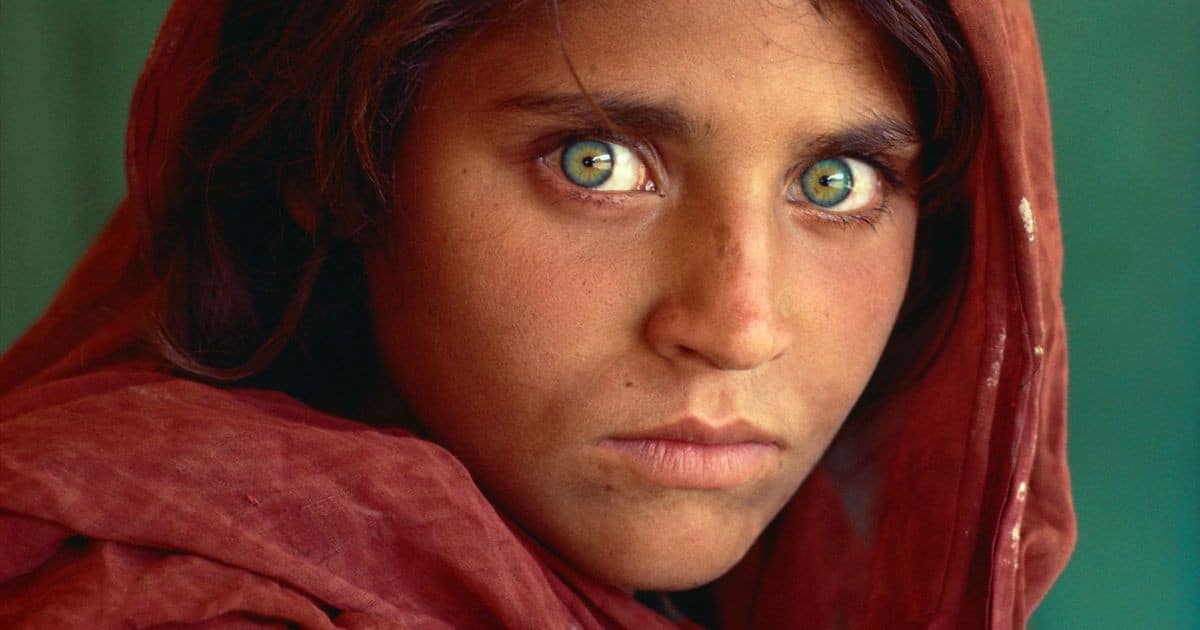
If you’ve ever seen an iconic magazine cover, chances are you’ve encountered the striking image of Sharbat Gula, famously known as “The Afghan Girl with Green Eyes.” Decades have passed since the world first met her, but she remains a symbol of resilience, strength, and the lasting impact of one photograph.
Amazon co-founder MacKenzie Scott has donated over $19 billion to charity in just five years
Diamond batteries powered by nuclear waste promise 28,000 years of clean energy
The Face of “The Afghan Girl with Green Eyes”
You may not have held the June 1985 issue of National Geographic in your hands, but you’ve undoubtedly seen its iconic cover. A young girl, no more than 12 years old, gazes intensely from the front page, her green eyes piercing through the lens. This photograph, taken by Steve McCurry, became a symbol of the Afghan conflict during the Soviet invasion. At that time, Sharbat was living as a refugee in Pakistan, having fled the bombings that ravaged her village in Afghanistan. With her family, she sought refuge in a camp, where McCurry’s camera captured her unforgettable gaze.
Steve McCurry later described Sharbat’s look as one of immense resilience, strength, and dignity. Despite the hardships of being an orphan and a refugee, he could sense that she was determined to keep going. “She had this strong, dignified look, and you could feel that, despite everything, she would keep fighting,” he said in a France 2 documentary. The cover of National Geographic quickly became one of the magazine’s most memorable images, forever etching Sharbat Gula into the global consciousness.
Voir cette publication sur Instagram
What Happened to Sharbat Gula?
Seventeen years after that iconic cover, Sharbat posed again for National Geographic, now a mother of six. This time, however, she was no longer the young girl in a red scarf. Instead, she wore a purple veil, covering most of her face. The transformation from the girl on the magazine cover to the woman she had become was striking.
By 2016, Sharbat’s life took another turn when she was arrested in Pakistan for possessing fraudulent documents. After being imprisoned and eventually deported, she returned to Afghanistan, where she received a warm welcome from the then-president Ashraf Ghani and former president Hamid Karzai. Reflecting on this experience in an interview with the BBC, Sharbat expressed her gratitude for the respect and hospitality she received: “They gave me respect, welcomed me warmly, and I thank them. May God bless them.”
A Symbol of Afghanistan’s Struggles
Sharbat Gula has become much more than just a symbol of the Afghan war—she is an enduring figure representing the strength and resilience of the Afghan people. In recent years, her image has resurfaced in the media, each time evoking the powerful memories of her iconic photograph. After the Taliban took control of Kabul, Sharbat found refuge in Rome, Italy, at the age of 50. While living as a refugee, she was often compared to the Mona Lisa of modern times, due to the quiet yet profound expression that both Sharbat and Da Vinci’s famous painting share.
Her journey, from the girl who captured the world’s attention with her eyes to a woman who has endured decades of hardship, mirrors the turmoil and resilience of her homeland. Sharbat’s face remains a poignant reminder of the human side of war and displacement, resonating with people across the world. Now, as she continues to build a new life in Italy, her story—told through those unforgettable green eyes—continues to inspire and stir emotions, solidifying her place as one of the most enduring symbols of the 20th century.
NASA warns China could slow Earth’s rotation with one simple move
This dog endured 27 hours of labor and gave birth to a record-breaking number of puppies