
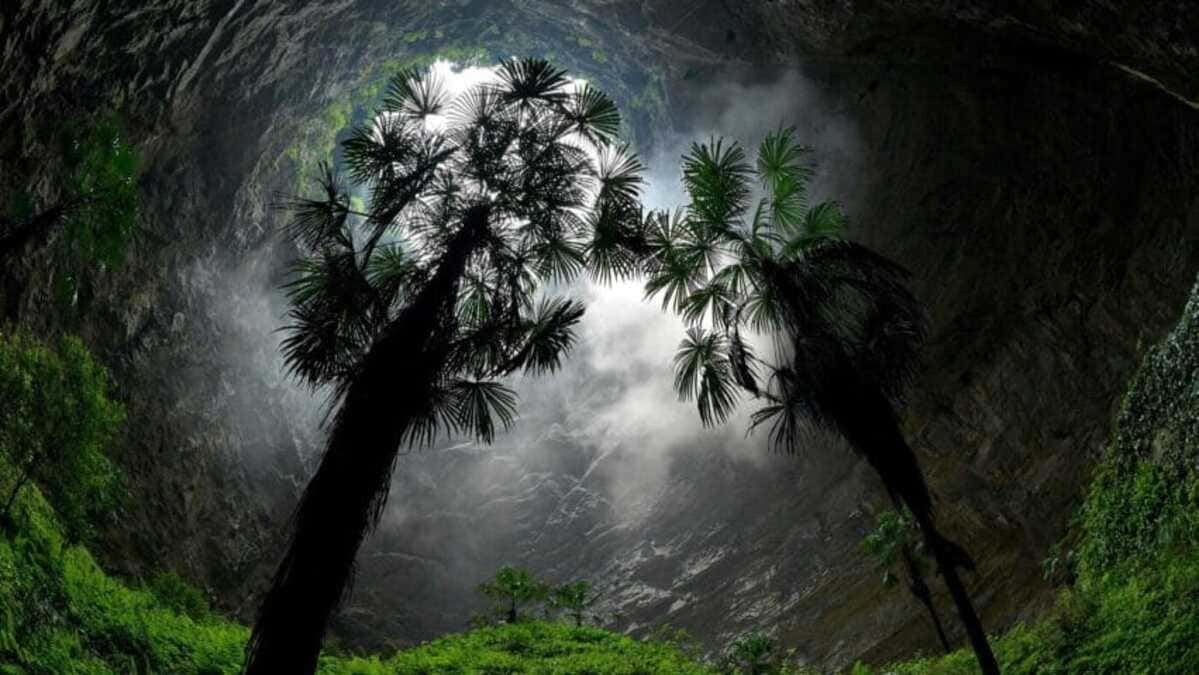
A remarkable discovery has taken place in the heart of southern China, leaving scientists both amazed and intrigued. A team of Chinese researchers recently uncovered a massive karst sinkhole in Leye County, Guangxi, a region already known for its spectacular, dramatic landscape. But what makes this new discovery particularly fascinating is what lies hidden within: a lush, pristine ancient forest complete with towering trees and a wealth of underground resources. The find has sparked both excitement and wonder, as it reveals an environment that seems untouched by time.
Amazon co-founder MacKenzie Scott has donated over $19 billion to charity in just five years
Diamond batteries powered by nuclear waste promise 28,000 years of clean energy
A Geological Wonder: The Karst Sinkhole
On May 6, a team of scientists in China made an astonishing discovery deep in the karst landscape of Leye County. This giant sinkhole, measuring 306 meters in length, 150 meters in width, and a staggering 192 meters in depth, is a remarkable addition to the more than thirty similar sinkholes already identified in the region. The geological formation itself is not entirely surprising, as this area of China is well-known for its unique karst topography—a landscape shaped by the slow, erosive action of rainwater on limestone rock. This kind of topography has also been found in other parts of the world, including Mexico and Papua New Guinea, but the scale of these sinkholes in China is unmatched.
Karst formations develop over thousands of years as rainwater, slightly acidic due to absorbed carbon dioxide, erodes the rock. The water slowly widens cracks and crevices within the limestone, and when the underground chambers become large enough, the roof can collapse, forming enormous sinkholes. These sudden collapses can create breathtaking gaps in the earth’s surface, often with dramatic results, including the formation of caves and giant openings like the one recently discovered in Guangxi.
An “Oasis of Life” Hidden in the Abyss
What truly sets this discovery apart is what was found inside the sinkhole. At the bottom of the abyss, scientists uncovered an entire ecosystem, including dense vegetation, shade-loving plants, and ancient trees reaching up to 40 meters tall. It’s like stumbling upon a hidden garden, a secret that nature has kept for millions of years. The lush greenery is in stark contrast to the surrounding barren landscape, making it feel like an untouched paradise that’s been shielded from the harsh realities of the outside world.
The team also found three entrances to caves, which led them to further explore the region’s underground water systems. These karst features, as surprising as they are, also connect to deep aquifers, which store precious water resources. These underground water reserves are crucial for billions of people around the globe, often serving as the main source of drinking water. This discovery in particular is expected to provide valuable insights into how such underground ecosystems function, and how they could help sustain local populations that rely on these natural water reservoirs.
An Unexpected Ecosystem: New Species on the Horizon?
As the team of scientists delved deeper into the sinkhole’s hidden world, they noted the possibility that the flora and fauna of this remote ecosystem could include species never before documented by science. The isolation and unique conditions within the sinkhole make it an ideal environment for species to evolve in isolation, potentially leading to the discovery of new mammal and insect species. While it’s too early to confirm these speculations, the idea that this hidden world may harbor undiscovered creatures adds an exciting layer of mystery to an already extraordinary find.
The site’s potential for further exploration is immense. As the team works to catalog the species and explore the relationship between the plants, animals, and underground water, they will be able to better understand the role that such ecosystems play in maintaining the balance of nature. These kinds of discoveries could provide new solutions to environmental challenges, offering insights into how isolated ecosystems can survive and thrive.
The Future of Exploration
The Leye County sinkhole is a rare and remarkable find, offering scientists a glimpse into an untouched world beneath the surface of our planet. As exploration continues, the ongoing research could unveil not just new species and ecosystems but also groundbreaking knowledge about the underground water systems that support life both within and outside of these hidden environments.
NASA warns China could slow Earth’s rotation with one simple move
This dog endured 27 hours of labor and gave birth to a record-breaking number of puppies
It’s clear that the karst landscape of southern China still has many secrets to reveal, and as technology improves, we may see even more discoveries like this one—deep within the Earth’s crust, where entire ecosystems have remained hidden for millions of years. As researchers continue to uncover the mysteries of this vast, unexplored terrain, one thing is certain: the Earth holds many more surprises beneath its surface, waiting to be discovered.