
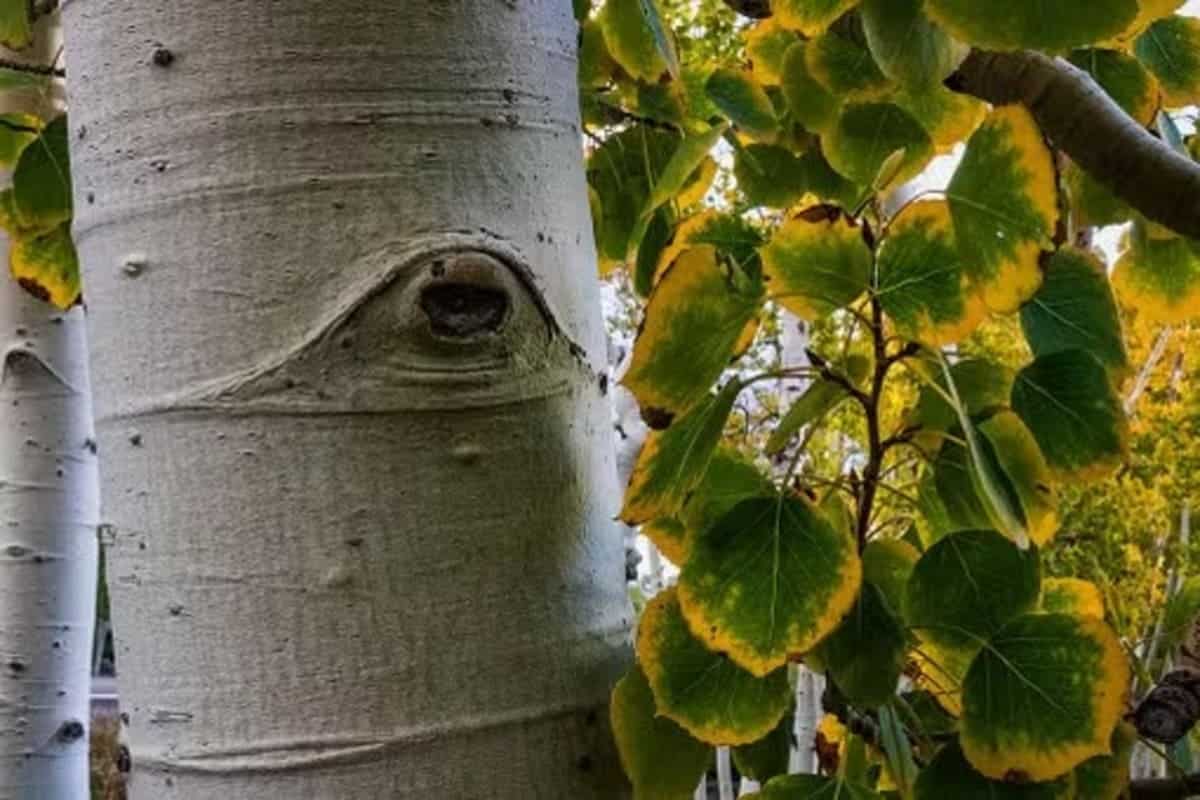
Deep in the heart of Utah’s Fishlake National Forest, there lies an organism so vast and ancient that it could easily be mistaken for a small forest. But what’s truly remarkable about Pando is that it’s not a collection of individual trees—it’s a single living organism, and quite possibly the largest and oldest on the planet.
Amazon co-founder MacKenzie Scott has donated over $19 billion to charity in just five years
Diamond batteries powered by nuclear waste promise 28,000 years of clean energy
A Forest That’s Really One Giant Organism
Pando, which translates from Latin to “I spread” or “I extend,” is a colony of quaking aspens (Populus tremuloides) that shares an enormous underground root system, making it one of the most impressive examples of nature’s interconnectedness. From above, it appears to be a regular forest filled with hundreds of trees, each with their own trunk, branches, and leaves. However, beneath the surface, it’s all the same organism. The trees are genetically identical, and they all share the same root system, which has been growing and spreading across the landscape for thousands of years.
This massive organism spans over 106 acres, and its age is equally staggering. Estimates suggest that Pando could be anywhere from 80,000 to over 1 million years old, which would make it not only one of the largest living organisms by area but also one of the oldest. Imagine, this organism was likely thriving in the forests of Utah long before human agriculture even began.
The Secret Life of Pando’s Roots
What’s even more fascinating about Pando is what happens beneath the surface. Researchers have recently started exploring the intricate network of roots that bind this giant organism together. They’ve found that the roots aren’t just a source of nutrients and water for the trees—they’re also vibrating in a way that could be crucial for the survival of Pando. These vibrations are similar to the sounds you might hear when a tree is shaken by the wind, but they’re happening continuously and are believed to serve an important purpose, possibly helping to communicate across the colony.
In fact, some scientists have even recorded the sound of these vibrations, offering an incredible glimpse into how life might function within a single, massive organism. It’s a reminder that there’s a whole world of life happening beneath our feet, and that life, in Pando’s case, is far from ordinary.
A Living Relic
Despite its age and impressive size, Pando is not without its vulnerabilities. Climate change, human activity, and threats from disease or invasive species all pose challenges to the long-term survival of this ancient organism. Yet, Pando’s resilience—especially its ability to reproduce by sending up new trees from its vast root system—keeps it alive. As individual trees die, new ones emerge, ensuring that Pando continues to grow and spread across the landscape.
If you were to visit Pando, you’d walk through a forest, unaware that each tree you see is part of a single, massive organism. It’s a humbling experience to witness this living giant—not just a collection of trees, but a centuries-old living network that has endured through the ages. It’s a testament to the endurance of nature and how even the most unassuming landscapes can hide the most extraordinary wonders.
Pando’s story is a reminder that the natural world is filled with hidden marvels, and that sometimes the biggest surprises are the ones happening right beneath our feet. As scientists continue to study this incredible organism, we’re sure to learn even more about its vast network and its remarkable ability to thrive across the ages.
NASA warns China could slow Earth’s rotation with one simple move
This dog endured 27 hours of labor and gave birth to a record-breaking number of puppies