
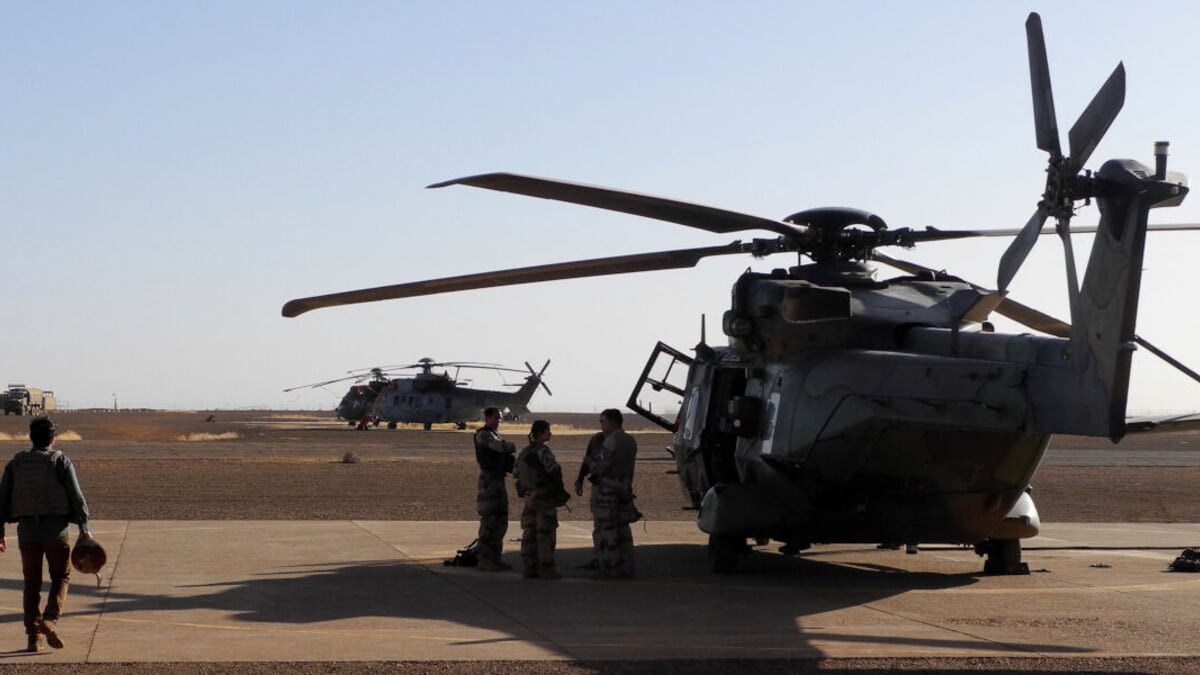
On March 27, 2021, a French soldier, working with Operation Barkhane in Mali, likely saved the lives of 105 people aboard a Boeing 737 in one of the most challenging and intense moments of his career. As the aircraft struggled to land amid a powerful sandstorm, the soldier’s timely intervention made all the difference.
Amazon co-founder MacKenzie Scott has donated over $19 billion to charity in just five years
Diamond batteries powered by nuclear waste promise 28,000 years of clean energy
A Desperate Situation in the Desert
It all began in the early hours of March 27, when a Sky Mali Boeing 737, a commercial aircraft, found itself in grave danger as it approached the airport in Gao. Caught in a thick sandstorm, the plane lost its positioning system and was unable to see the runway clearly. In such a critical moment, the pilots were struggling to maintain control and prepare for a safe landing.
The French soldier, who had just completed a night shift from 7:00 PM to 7:30 AM, was initially unaware of the unfolding emergency. Around 11:00 AM, a colleague rushed to inform him of the developing crisis. The civilian aircraft was in trouble, and its fate now depended on a rapid response.
The Unexpected Hero: Using the SPARTIATE System
Fortunately, the soldier had access to an older, yet reliable, piece of equipment—SPARTIATE, a radar system developed around 40 years ago for precision approach guidance. This system, though dated, is invaluable for guiding aircraft in distress, especially in situations like the one unfolding before them. Operated by just two people, SPARTIATE was the perfect tool to help the pilots safely navigate through the sandstorm and guide them toward the runway.
“The aircraft had already attempted to land twice but had to pull up at around 900 meters because they couldn’t see the runway,” the soldier recalled. In most cases, an attempt to land a commercial airliner under these conditions would have been met with failure, but after several failed attempts, the pressure was mounting.
Using the SPARTIATE system, the soldier started guiding the plane step-by-step. “I guided the plane down to 750 meters, and then to 150 meters, about 2 kilometers from the runway. At that point, the plane was below the sand cloud, and the pilot finally said, ‘I see the runway,’” he explained. From there, the pilot was able to land the aircraft safely on his own.
A Calm Approach Under Extreme Pressure
The soldier’s calm and collected demeanor throughout the situation was remarkable. Having been trained for emergency procedures, he simply followed the steps he was taught, though this was his first time ever guiding a civilian aircraft, let alone such a large one.
“Although I’d never had to guide a civilian plane before, let alone one of that size, I just applied the procedures I was trained for. There was no real stress on my part. It was about focusing on the task at hand,” he stated. His quick thinking and steady hands may have been the deciding factor in preventing what could have been a catastrophic event.
NASA warns China could slow Earth’s rotation with one simple move
This dog endured 27 hours of labor and gave birth to a record-breaking number of puppies
The Importance of Training and Preparedness
This incident highlights the importance of proper training and preparedness in crisis situations. The soldier’s experience in guiding the aircraft was crucial in this life-or-death scenario. In the face of a challenging natural disaster, it was the soldier’s knowledge of air traffic procedures and the SPARTIATE system that kept the situation under control.
While we may never fully understand how the aircraft would have fared without the soldier’s intervention, one thing is clear: his action saved lives that day. His ability to apply his training in a high-stress environment helped avert disaster, proving that sometimes, heroes come from unexpected places.
In the end, what could have been a tragedy was averted, thanks to the skill, calm, and dedication of a soldier who, though never expecting to be in such a situation, rose to the challenge when it mattered most.