
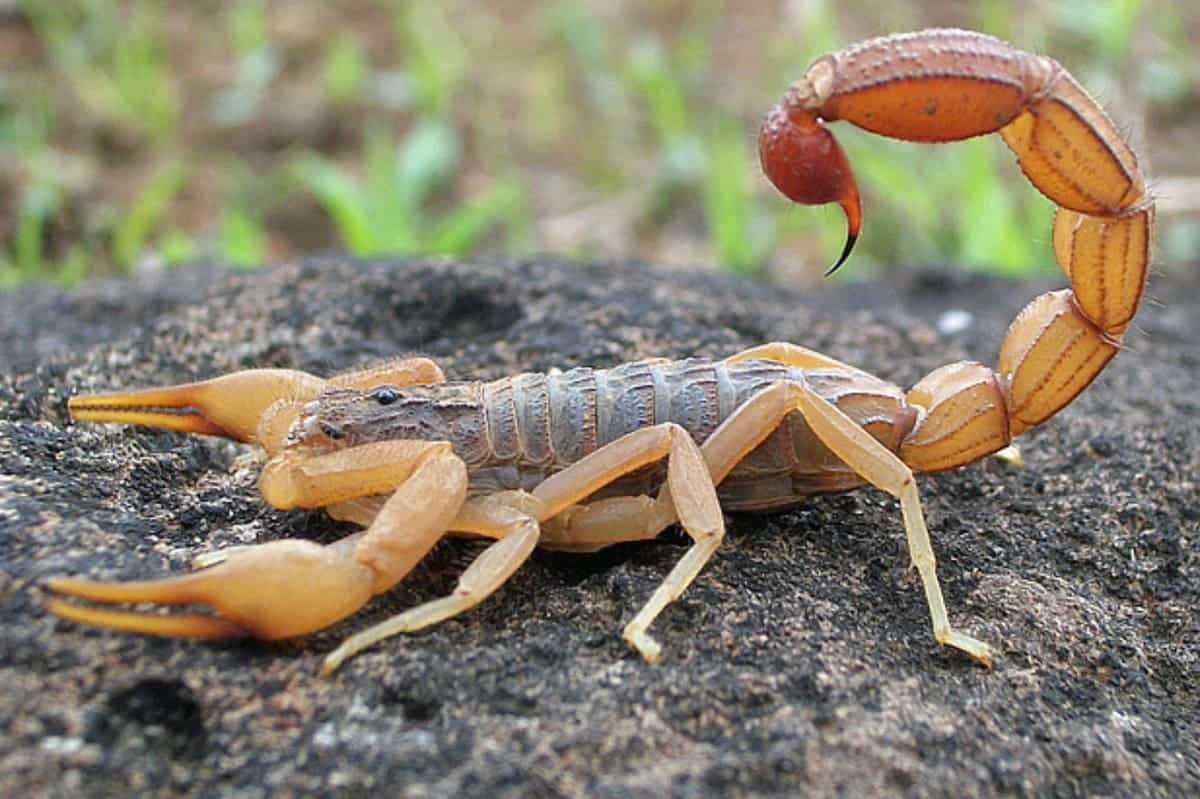
Imagine a time when scorpions roamed the Earth, their massive bodies lurking in ancient waters. This terrifying image becomes a reality thanks to the discovery of a new species of scorpion, once believed to be long extinct. While the find is both awe-inspiring and unsettling, it offers a unique glimpse into an era far before humans ever walked the planet.
Amazon co-founder MacKenzie Scott has donated over $19 billion to charity in just five years
Diamond batteries powered by nuclear waste promise 28,000 years of clean energy
The Terrifying Giants of the Past
When we think of scorpions today, we imagine the smaller, more manageable species that scurry across deserts or hide beneath rocks. However, thousands of years ago, scorpions were colossal creatures that could rival the size of humans. These ancient arachnids, with their sharp pincers and powerful stingers, were the dominant predators of their time.
The newly discovered scorpion species, unearthed in China, is an impressive example of these prehistoric giants. Measuring an astounding one meter in length, this species, which lived around 435 million years ago, was a true marvel of nature. It was so large that its body weighed several kilograms, making it comparable in size to a medium-sized dog.
An Ancient Scorpion with Modern Features
This scorpion, named T. xiushanensis, lived during the Silurian period, long before the rise of dinosaurs. While it may sound like a creature from a science fiction story, its existence is firmly rooted in the early days of life on Earth. During this time, the planet was a very different place, with large, sea-dwelling creatures dominating the oceans.
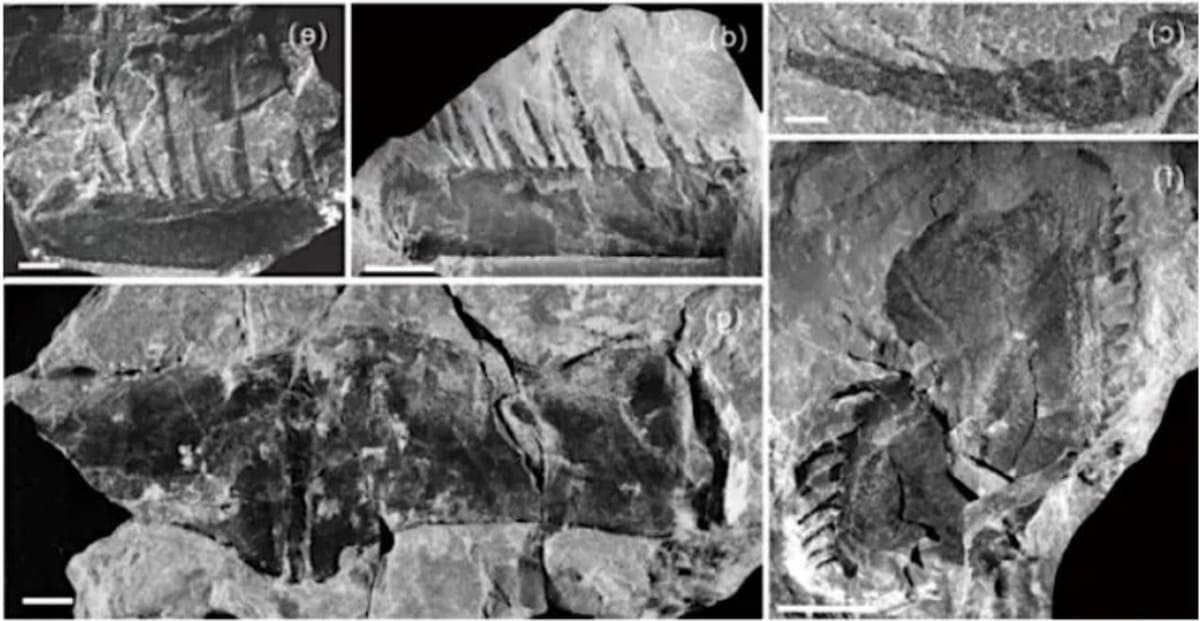
The fossilized remains of this scorpion show that it had a formidable weapon: spiny pincers capable of crushing its prey. Interestingly, these pincers were likely used for reproduction at first, with males using them to transfer sperm to females. However, over time, this feature evolved into a weapon for hunting, allowing the scorpion to capture fish and mollusks in its grasp and devour them in the depths of ancient waters.
A Time Before the Dinosaurs
The time when T. xiushanensis roamed the Earth was millions of years before dinosaurs appeared. The world was ruled by invertebrates, with scorpions thriving in ancient seas. These creatures were perfectly adapted to their environment, using their spiny pincers to capture prey that ranged from small fish to shellfish. The discovery of this ancient scorpion is not just about a single creature; it offers a window into an era of life that predates the age of dinosaurs and stretches our understanding of early evolutionary history.
While T. xiushanensis is one of the oldest species ever discovered, its size was a far cry from the scorpions we encounter today. The largest known scorpion in the modern world, the Pandinus imperator, grows to a mere 25 centimeters. In contrast, the ancient species was 40 times larger, highlighting the drastic changes in Earth’s biodiversity over millions of years.
NASA warns China could slow Earth’s rotation with one simple move
This dog endured 27 hours of labor and gave birth to a record-breaking number of puppies
The Enduring Legacy of Ancient Species
Despite their terrifying size, species like T. xiushanensis are part of a broader evolutionary story that has shaped the diversity of life on Earth. Today’s scorpions are far smaller, but they share a common ancestor with these ancient giants. The fact that scorpions still exist today, albeit in much smaller forms, serves as a testament to their evolutionary resilience.
For researchers, the discovery of such ancient creatures not only sparks curiosity but also provides vital information about the early Earth and the evolution of life forms that thrived in a vastly different environment. While we may never encounter creatures as massive as T. xiushanensis in the wild, the discovery serves as a reminder of the incredible diversity and scale of life that existed long before humans.