
Amazon co-founder MacKenzie Scott has donated over $19 billion to charity in just five years
Diamond batteries powered by nuclear waste promise 28,000 years of clean energy
A “Culmination of a Decade of Hard Work”
Elon Musk described this launch as the culmination of a decade of hard work
in a post on X. He pointed out that the teams responsible for software and artificial intelligence chips were developed in-house at Tesla, indicating complete control over the technological value chain.
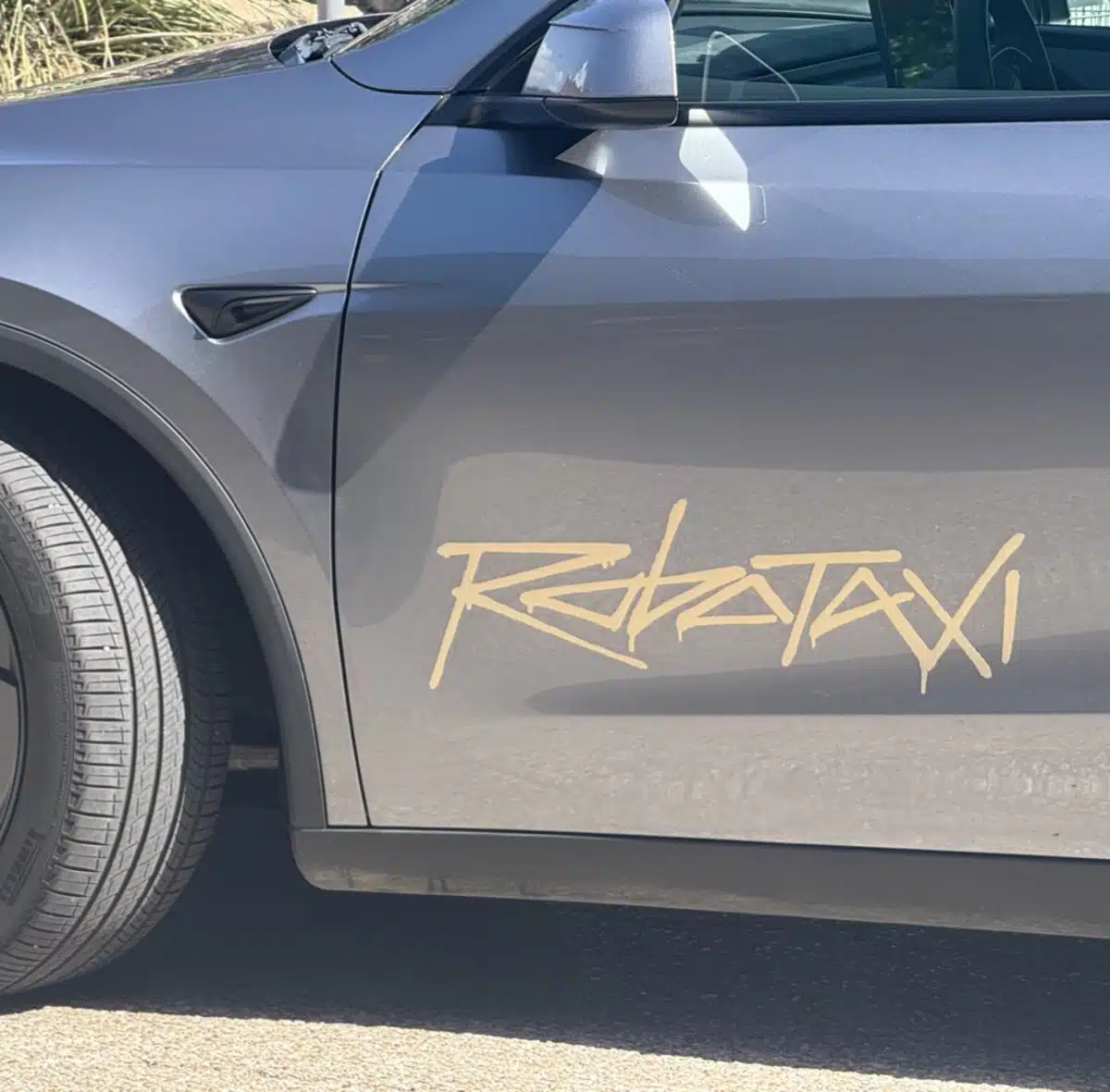
Vehicles were spotted in the South Congress neighborhood, operating without a driver at the wheel. However, a person was present in the passenger seat, acting as a safety monitor
. It is unclear at this stage whether these supervisors had active control over the vehicle’s driving or if they were there purely as a precaution.
Limited Trial… but Not Free
The initial rides were offered at a nominal fee of $4.20. The company targeted a select group of users, including influencers, invited to try out the service in a well-defined geographical area.
This launch is clearly a major spotlight moment for Tesla, which aims to gain an edge over competitors like Waymo (a subsidiary of Alphabet/Google), already operational in Phoenix and San Francisco. However, experts like Philip Koopman, an engineering professor at Carnegie Mellon, remind us that the real boom in the robotaxi market could take years, even decades
due to regulatory, technical, and safety hurdles.
Tesla will also have to deal with ongoing skepticism about full autonomy and local regulations. For now, no official timeline has been communicated regarding a broader rollout beyond Austin.
The Cybercab in 2026: Tesla’s Bet
Behind this regulatory advancement, Tesla is betting on its Cybercab, a two-seater vehicle without a steering wheel or pedals, planned for 2026. This vehicle promises to be revolutionary, with a battery less than 50 kWh but a real-world range of about 480 km, showcasing impressive technical performance. Unveiled last year, this project embodies Elon Musk’s vision of a 100% autonomous transport service, a natural evolution following the success of the Model 3 and Model Y.
So far, Tesla had only obtained permissions in California to test its autonomous vehicles with a safety driver on board. With this first TCP permit, the brand is transitioning towards a fully autonomous fleet. However, other questions remain, particularly whether it can overcome the remaining regulatory barriers and realize its ambition to revolutionize urban transport with its robotaxis.
We took a ride in the Tesla Cybercab!
NASA warns China could slow Earth’s rotation with one simple move
This dog endured 27 hours of labor and gave birth to a record-breaking number of puppies