

In today’s hyper-connected world, our smartphones aren’t just tools—they’re central to everything we do. From managing our finances to staying in touch with loved ones, we rely on them for practically everything. But what if the very apps you trust to enhance your life were secretly spying on you? Cybersecurity experts have uncovered a disturbing trend: some Android apps are surreptitiously recording your conversations and harvesting your personal information, all without your knowledge.
Amazon co-founder MacKenzie Scott has donated over $19 billion to charity in just five years
Diamond batteries powered by nuclear waste promise 28,000 years of clean energy
How Hackers Are Exploiting Google Play
We often think of apps from the Google Play Store as safe and vetted, but unfortunately, that’s no longer the case. Cybercriminals have figured out ways to bypass Google’s security checks, slipping malicious apps into the official store and tricking unsuspecting users. According to experts from cybersecurity firm ESET, some of these apps have been downloaded thousands of times before being flagged as dangerous¹.
These apps typically disguise themselves as harmless tools, like messaging platforms or utility apps, before quietly beginning their sinister work. Once installed, they steal personal data, from text messages to phone logs, and, most worryingly, record conversations without your consent.
The Bait-and-Switch Tactics of Cybercriminals
One particularly devious tactic involves social engineering. Hackers target potential victims by pretending to be interested in a romantic relationship, often reaching out through apps like WhatsApp or Facebook Messenger. Once trust is established, they encourage the victim to install a “secure” messaging app. Unfortunately, this app is actually infected with the VajraSpy Trojan, a malicious software designed to steal data and record conversations.
It’s a chilling reminder of how far cybercriminals will go to exploit emotions for personal gain—once they’ve gained your trust, they can easily access sensitive information.
Did you know? Social engineering attacks, where attackers manipulate people into revealing personal information, are on the rise. In 2022, they accounted for more than 50% of all cyberattacks².
Three Categories of Dangerous Apps
Messaging Apps That Aren’t What They Seem
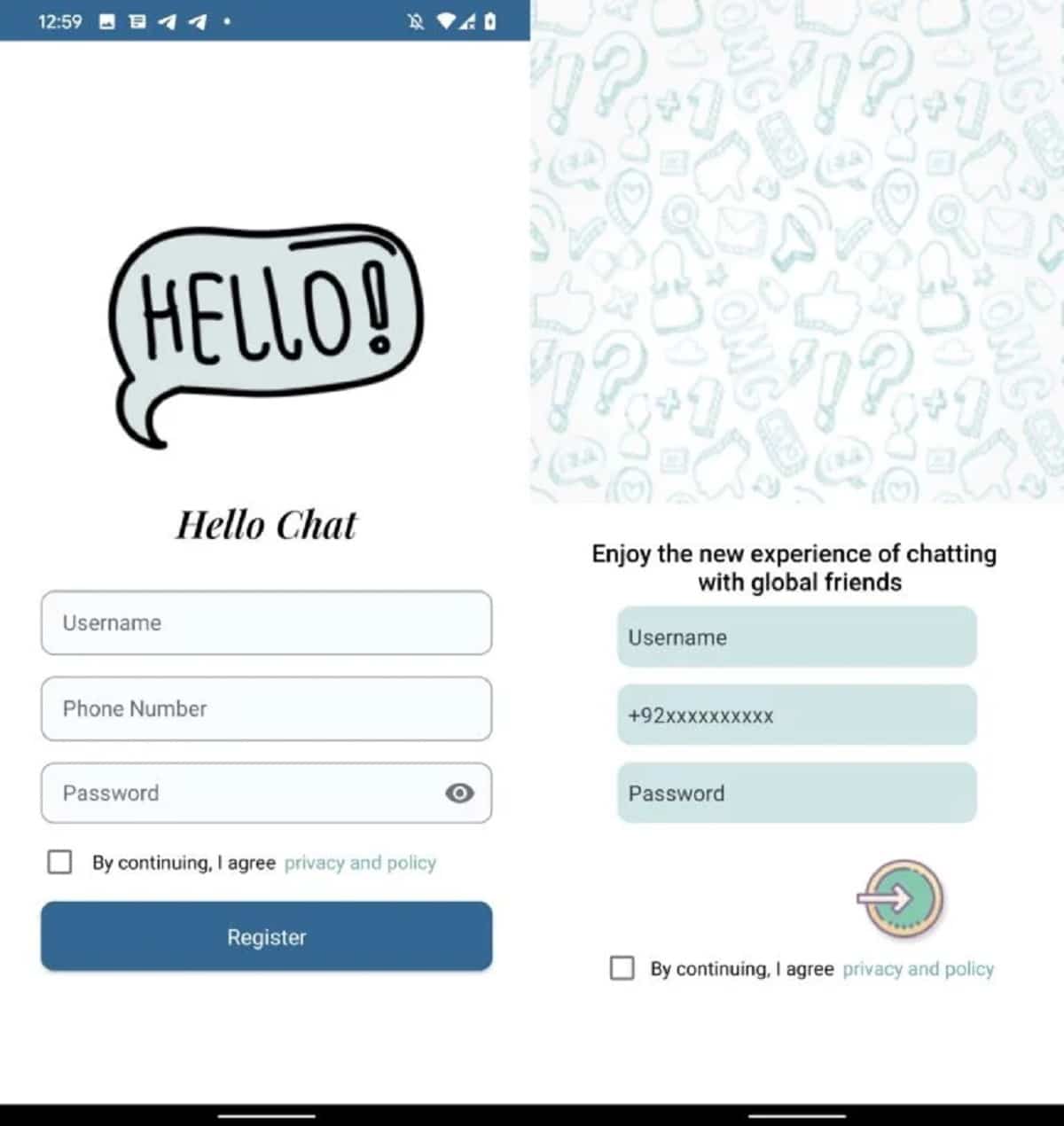
The first group of dangerous apps includes those that disguise themselves as secure messaging platforms. They may appear to be normal tools for chatting with friends, but in reality, they’re designed to steal contact info, SMS messages, and call logs. Even if you don’t fully set them up, these apps can still run in the background and siphon your data. Some known offenders include:
-
Hello Chat
-
MeetMe
-
Chit Chat
Apps Using Accessibility Features to Spy
A more sophisticated attack involves apps exploiting Android’s accessibility features. These apps can intercept messages from encrypted platforms like WhatsApp and Signal, essentially allowing hackers to eavesdrop on your private conversations. One particularly nefarious app, Wave Chat, goes even further—it records phone calls, logs keystrokes, and can activate your microphone to record background sounds.
A Fake News App That Steals Data
Not all dangerous apps pretend to be messaging platforms. One app, disguised as a news app, requests access to your phone’s contact list and personal files. While it doesn’t offer any messaging functionality, its ability to gather personal data makes it just as harmful. It’s another example of how cybercriminals can mask their true intentions under the guise of something benign.
NASA warns China could slow Earth’s rotation with one simple move
This dog endured 27 hours of labor and gave birth to a record-breaking number of puppies
The Full List of Malicious Apps to Remove Now
If you’ve downloaded any of the following apps, it’s crucial to remove them from your phone immediately:
-
Rafaqat
-
Privee Talk
-
MeetMe
-
Let’s Chat
-
Quick Chat
-
Chit Chat
-
YohooTalk
-
TikTalk
-
Hello Chat
-
Nidus
-
GlowChat
-
Wave Chat
Shockingly, six of these apps were downloaded over 1,400 times each before being flagged and removed from Google Play. If any of these names look familiar, take action now to protect your personal data.
How to Protect Your Privacy Right Now
If you suspect one of these apps might be lurking on your phone, here’s what you need to do to safeguard your privacy:
-
Uninstall the App: Delete any suspicious apps immediately.
-
Change Your Passwords: Update your passwords for any accounts linked to the app.
-
Enable Two-Factor Authentication: Adding an extra layer of protection will help prevent unauthorized access.
-
Run a Security Scan: Use a trusted antivirus tool like ESET or Norton to check for additional threats.
-
Stay Vigilant: Regularly check for updates from cybersecurity experts to stay ahead of potential new risks.
Final Thoughts: Be Proactive and Stay Safe
Smartphone security is an ongoing battle. Cybercriminals are always finding new ways to exploit vulnerabilities, and malicious apps are a serious threat to your privacy. When downloading apps, always proceed with caution—especially when they come from third-party sources. Before installing anything, check user reviews, examine the developer’s details, and scrutinize the app’s permission requests.
By staying informed and proactive, you can protect your personal data and prevent these dangerous apps from invading your phone. Stay safe, and remember that a little extra caution goes a long way in the digital world.
Footnotes :
-
Defend your Android against malware – and win, ESET, https://www.eset.com/blog/en/home-topics-1/device-protection/defend-your-android-against-malware-and-win/
-
How Can You Protect Yourself From Social Engineering: 5 Essential Steps, Cybers Ready, https://cybeready.com/how-can-you-protect-yourself-from-social-engineering/