
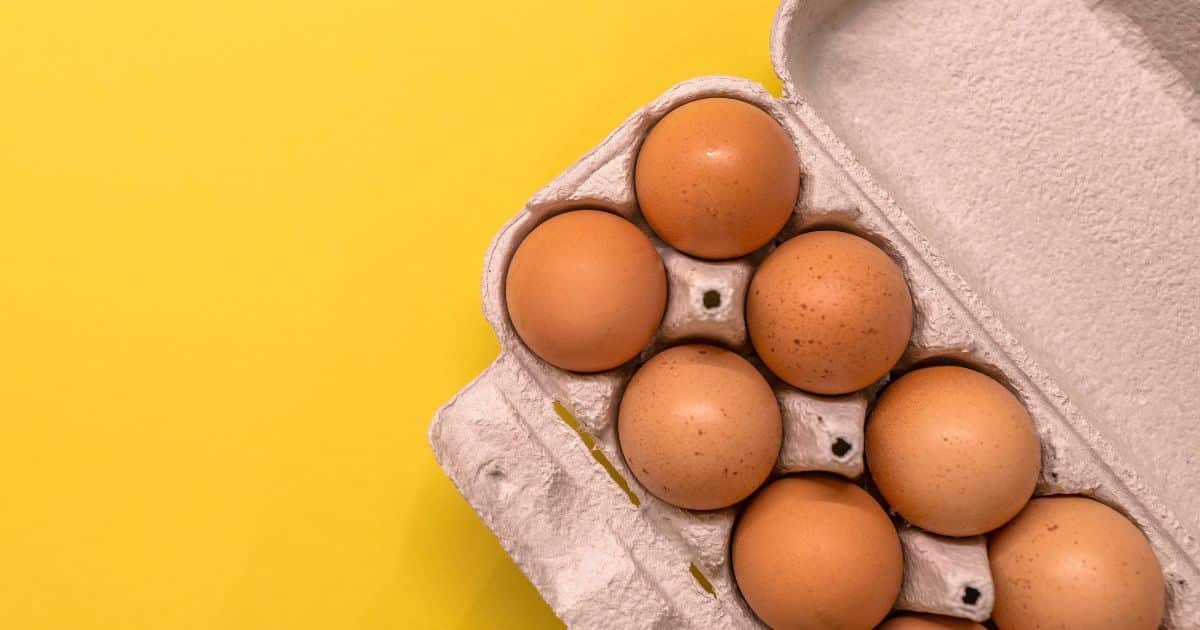
Avoid the common storage mistake that can turn your breakfast into a health hazard—expert tips to keep your eggs safe, fresh, and bacteria-free.
Amazon co-founder MacKenzie Scott has donated over $19 billion to charity in just five years
Diamond batteries powered by nuclear waste promise 28,000 years of clean energy
How to Store Your Eggs Safely
We all have our egg-storage theories—some swear by the fridge, others by the countertop. Official guidance differs by country: in the US, the FDA and USDA require eggs to be stored at 40°F (4°C) or below at all times¹, while in the UK, where eggs retain their natural cuticle, the British Egg Industry Council recommends storage below 68°F (20°C) for up to three weeks². Whichever rule applies in your region, consistency matters. If your kitchen routinely exceeds 75°F (24°C), refrigeration is the safer choice to inhibit bacterial growth.
However, here’s the crucial rule: if you purchase eggs from a supermarket’s chilled section—as is standard practice in the US—you must keep them refrigerated at home. Moving them back to room temperature causes condensation on the shell, weakening its natural barrier and breaking the cold chain, which significantly increases the risk of bacterial proliferation such as Salmonella³.
Did you know? Roughly 1 in 20,000 eggs may carry Salmonella, and proper refrigeration can reduce bacterial growth by up to 50%³.
Breaking the Back-and-Forth Habit
What really spoils your eggs is the constant hot–cold shuffle. Storing eggs in the refrigerator door may seem logical, but each time the door opens, the temperature inside can spike by up to 8°F (4.5°C). Instead, choose a consistent spot on a middle shelf and stick with it. This simple switch guards against temperature swings, maintains shell integrity, and keeps bacterial growth at bay.
By picking one storage method and avoiding the fridge-door ping-pong, you’ll protect your eggs—and your health—from unwanted microbial mischief.
Sources
-
“Egg Safety and Quality,” U.S. Food and Drug Administration.
https://www.fda.gov/food/buy-store-serve-safe-food/what-you-need-know-about-egg-safety -
“Safe Egg Storage,” British Egg Industry Council.
https://britisheggindustrycouncil.com/bepa/ -
“Preventing Salmonella Infection,” Centers for Disease Control and Prevention, 2023.
https://www.cdc.gov/salmonella/index.html