
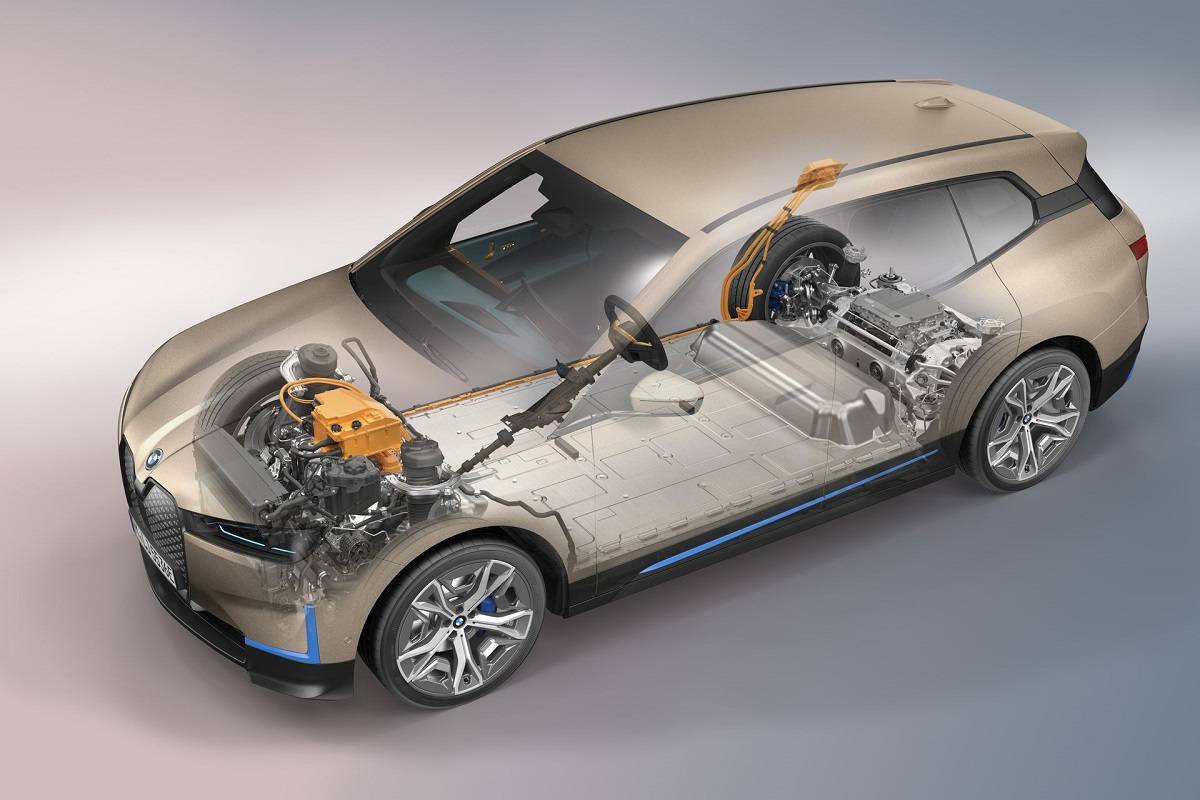
The high cost of replacing batteries in electric vehicles (EVs) has long been a significant barrier for potential buyers. However, this is about to change dramatically in the coming years. According to recent studies, the cost of repairing a combustion engine is expected to surpass the cost of replacing an EV battery by 2030.
Amazon co-founder MacKenzie Scott has donated over $19 billion to charity in just five years
Diamond batteries powered by nuclear waste promise 28,000 years of clean energy
EV Battery Replacement Costs Are Dropping
Currently, the expense of replacing an electric car battery can amount to 75% of the value of a second-hand car worth $15,000. Just a few years ago, in 2020, this figure was as high as 100%. While many consumers have been hesitant to embrace EVs due to this potential expense, experts suggest that this concern will soon become outdated.
According to Recurrent, a company focused on battery technology, the cost of replacing an electric vehicle battery will fall to just 30% of the value of a $15,000 second-hand car by 2030. This shift will make EVs far more competitive when it comes to repair costs, making them more attractive to consumers who previously hesitated over the financial implications of battery replacement.
Electric Car Battery Prices Have Dropped Dramatically
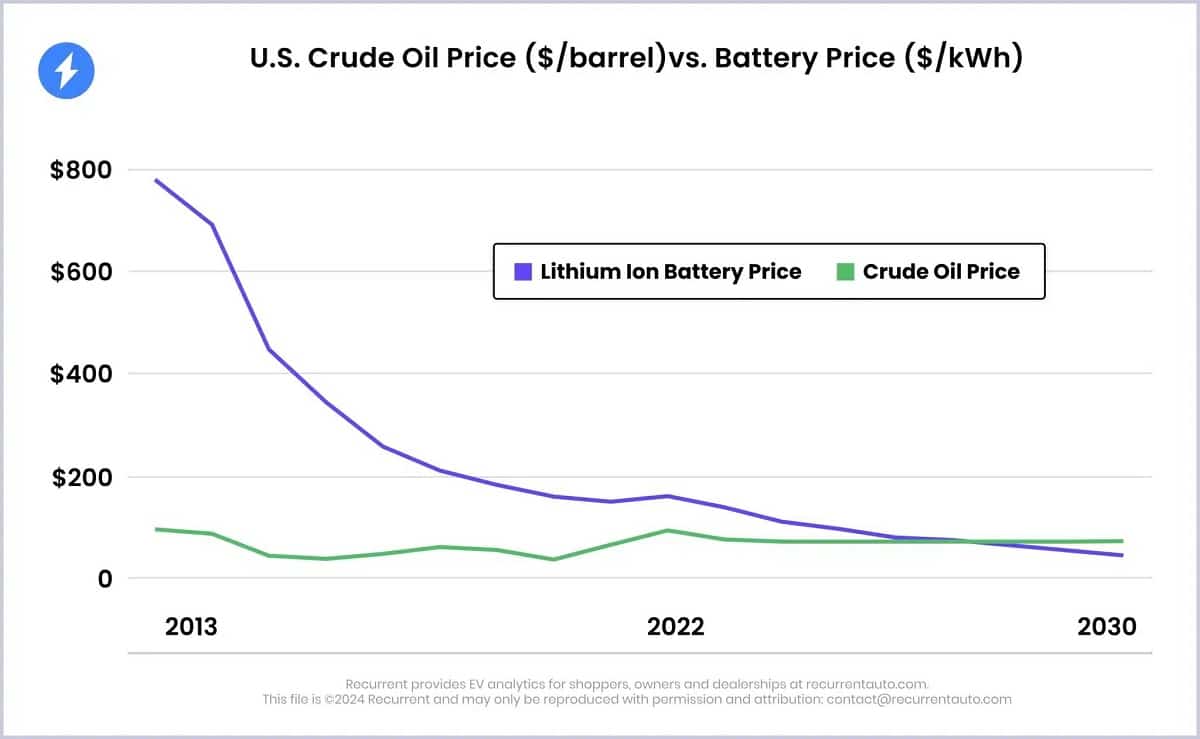
The cost of electric vehicle batteries has already dropped by an impressive 90% since 2008, from $1,415 per kilowatt-hour (kWh) to just $139 per kWh in 2023. For example, the 81 kWh battery in a Tesla Model Y would have cost $114,615 to produce if it had been made 15 years ago. As the price of lithium continues to decrease, so too do battery prices. This trend is expected to continue, with the average price of batteries projected to fall to $80 per kWh by 2026, nearly 50% lower than the current price.
This steep decline in battery prices will not only reduce the cost of replacing EV batteries but will also make it more affordable to maintain an electric vehicle over time.
Second-Life Battery Uses and Resale Opportunities
An additional benefit of these falling prices is the potential for second-life applications of EV batteries. As batteries reach the end of their first use in cars, they can still be valuable for other purposes, such as energy storage. This means that EV owners could sell their old batteries, helping to offset the cost of a replacement. This added value could make replacing an EV battery even more financially feasible in the future.
The Future of EVs: A More Affordable Ownership Experience
By 2030, the financial dynamics of owning and maintaining an electric vehicle will have shifted significantly. With the cost of battery replacement dropping and the ability to recoup some costs through second-life uses, EVs will become a much more attractive and affordable option for consumers. This change will also make electric cars far more competitive with their combustion engine counterparts, both in terms of initial purchase price and long-term maintenance costs.
NASA warns China could slow Earth’s rotation with one simple move
This dog endured 27 hours of labor and gave birth to a record-breaking number of puppies
For consumers looking to transition to a more sustainable future, the decline in battery prices and the increasing availability of second-hand batteries may make the switch to electric cars a much easier decision.