
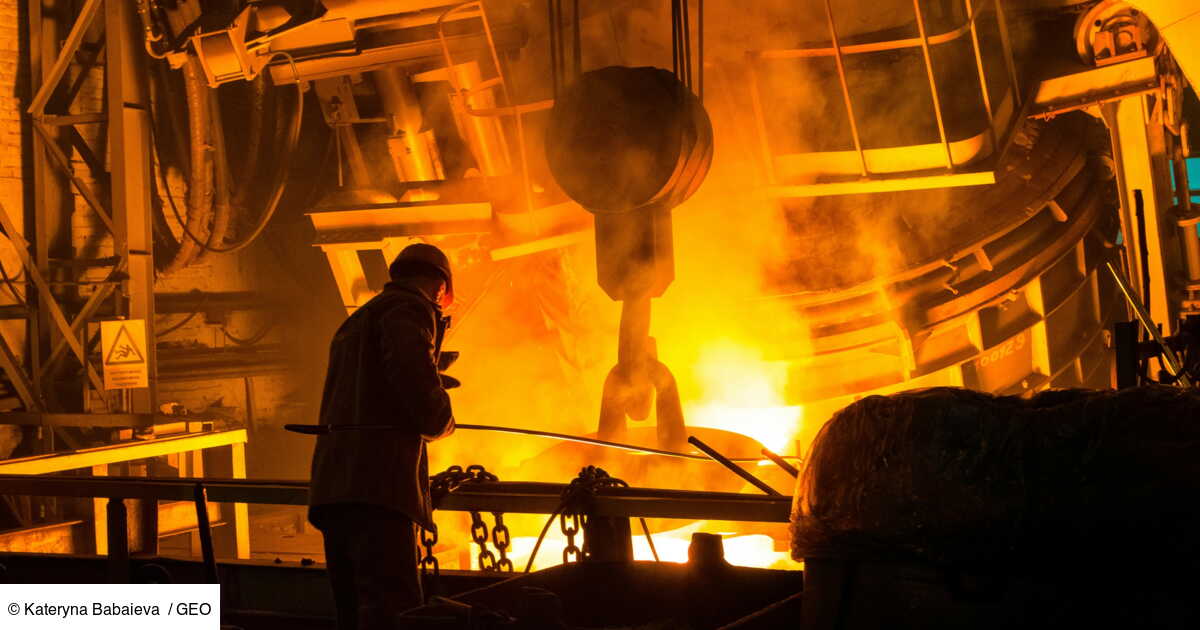
After a decade of tireless research, scientists in China have unveiled a breakthrough in steel production that could change the face of the industry. This new method not only eliminates the need for coal but also produces steel 3,600 times faster than traditional techniques. The implications are enormous, not just for the global steel market but also for the environment.
Amazon co-founder MacKenzie Scott has donated over $19 billion to charity in just five years
Diamond batteries powered by nuclear waste promise 28,000 years of clean energy
How Steel Has Traditionally Been Made
For centuries, the process of making steel has been both slow and energy-intensive. It begins with iron ore, which is crushed and formed into pellets. The ore is then heated to temperatures exceeding 1,300°C before being placed in a blast furnace that uses coke, a refined form of coal, to extract iron. This iron, which is molten, is then further processed to become steel.
This traditional method, while effective, is far from efficient. It typically takes between five to six hours to produce steel, and during that time, significant amounts of carbon dioxide (CO₂) are emitted due to the burning of coke. This process has been the backbone of steel production for generations, but now, China’s researchers have found a way to drastically speed up the process while also eliminating coal altogether.
Producing Steel in Just Six Seconds
The breakthrough came when Professor Zhang Wenhai and his team discovered a new technique that can produce steel in just three to six seconds—a dramatic improvement over the traditional method. So how do they do it?
The secret is in the use of ultra-fine iron ore powder, which is injected into a superheated furnace using a tool called a vortex lance. This results in a rapid chemical reaction that forms molten iron droplets, which fall to the base of the furnace. The result is a continuous stream of high-purity iron, ready to be transformed into steel.
What makes this process even more impressive is that it works equally well with both low-grade and high-grade iron ore. China, which has vast reserves of low-grade iron ore, could dramatically reduce its reliance on imports from countries like Australia, Brazil, and African nations for higher-quality materials. This innovation could shift the balance of global steel production, giving China a significant advantage.
What This Means for Industry and the Environment
The most notable advantage of this new method is that it eliminates coal from the steelmaking process entirely. This reduction in reliance on coal could lower energy consumption by up to a third, making the steel industry more efficient and environmentally friendly. For China, this breakthrough aligns perfectly with the nation’s ambitious carbon neutrality goals. As the world’s largest steel producer, China’s ability to dramatically reduce CO₂ emissions in steel production would have a ripple effect across the global market.
Beyond its environmental benefits, this method also positions China to further strengthen its dominance in industries that rely on steel, such as automobile manufacturing, construction, and infrastructure. With a faster, cleaner, and more cost-effective production method, China could enhance its global competitiveness while also reducing the carbon footprint of its steel exports.
NASA warns China could slow Earth’s rotation with one simple move
This dog endured 27 hours of labor and gave birth to a record-breaking number of puppies
This innovation is more than just a technical marvel—it has the potential to transform the global steel industry. If other countries adopt this method, it could pave the way for a more sustainable and efficient steel production process worldwide. The implications are clear: China’s new approach could contribute to a cleaner planet while revolutionizing one of the most important industries on Earth.