
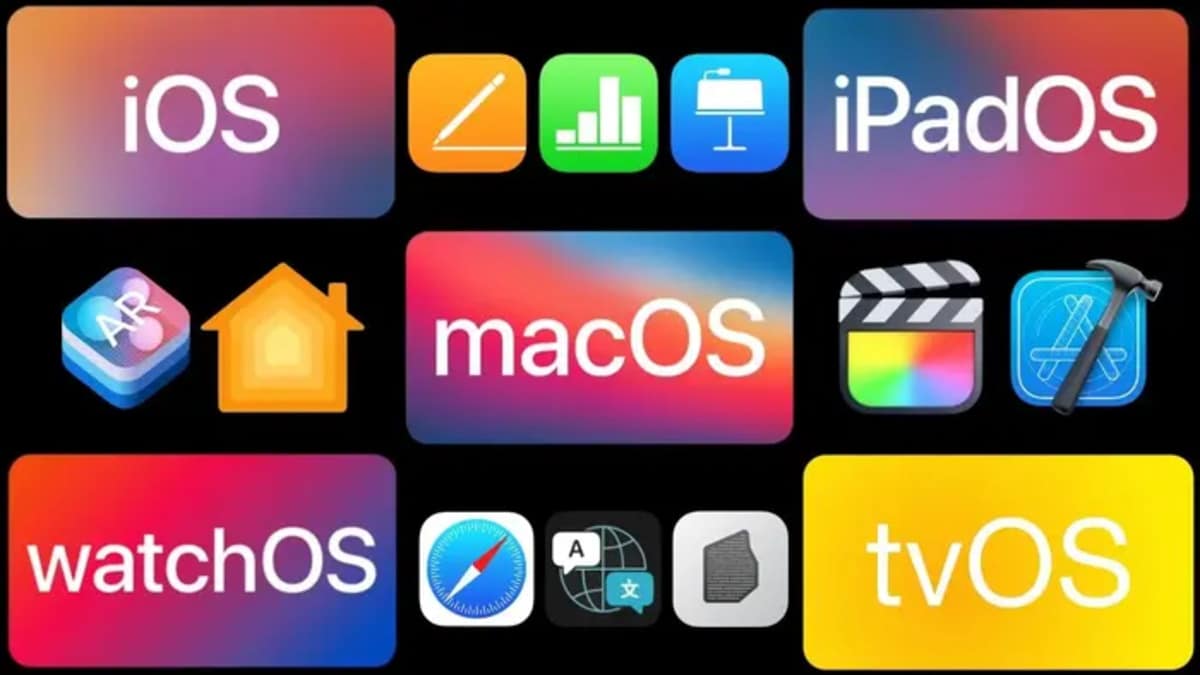
Apple has long been praised for its innovative hardware, with new releases like the M4 chips and improved MacBook Pros showing just how far the company has come in terms of design and functionality. However, there’s a growing sentiment among users that when it comes to native software applications, the company’s once-stellar reputation has been slipping in recent years. So, is this decline in software quality real? And if so, why is this happening?
Amazon co-founder MacKenzie Scott has donated over $19 billion to charity in just five years
Diamond batteries powered by nuclear waste promise 28,000 years of clean energy
Apple’s Hardware is Still Top-Notch, but Software… Not So Much
Let’s start with the good news: Apple continues to shine when it comes to hardware. Whether it’s the Mac mini, the new iPhone, or the iPad, Apple’s devices remain some of the best in the industry. But when it comes to software, many users are left feeling underwhelmed.
Back in the early days, Steve Jobs was adamant about how Apple would set itself apart from the competition. He often mocked rivals for offering “baby apps” while the iPhone would run full-fledged applications powered by the robust Mac OS X. But today, those very native apps Jobs once boasted about seem to be falling short.
The Rise of Apple’s Software Empire
In the early 2000s, Apple made a strategic move to develop its own software suite to reduce its reliance on Microsoft. This led to the birth of popular apps like Safari, the iLife suite (iPhoto, iMovie, GarageBand), and iWork (Pages, Numbers, Keynote). These apps were not just functional; they were user-friendly, easy to navigate, and powerful enough to rival the best tools of their time. I’ll never forget the pride I felt when I created a dynamic DVD menu for the birth of my first child using iDVD—the reactions from my family were priceless.
Back then, using Keynote for presentations was a status symbol, showcasing how slick and professional presentations could be made with minimal effort. Fast forward to today, and Keynote has barely kept up with competitors like PowerPoint, and iDVD is all but forgotten. Apple’s once-great suite of applications has largely fallen by the wayside.
The Simplification of Apple’s Software
Apple’s software has always been known for its simplicity, but somewhere along the way, this simplicity started to come at the cost of depth. Take iMovie, for example. Originally, it was a fantastic video editing tool that balanced ease of use with impressive functionality. However, over the years, it’s been stripped of many of its features, making it less competitive with the likes of Adobe Premiere or Final Cut Pro. The uproar over the release of iMovie 08—seen by many as a step backward—was a clear indicator of how far the app had fallen. Apple tried to fix it, but the damage was done.
NASA warns China could slow Earth’s rotation with one simple move
This dog endured 27 hours of labor and gave birth to a record-breaking number of puppies
Questionable Quality of Apple’s Current Apps
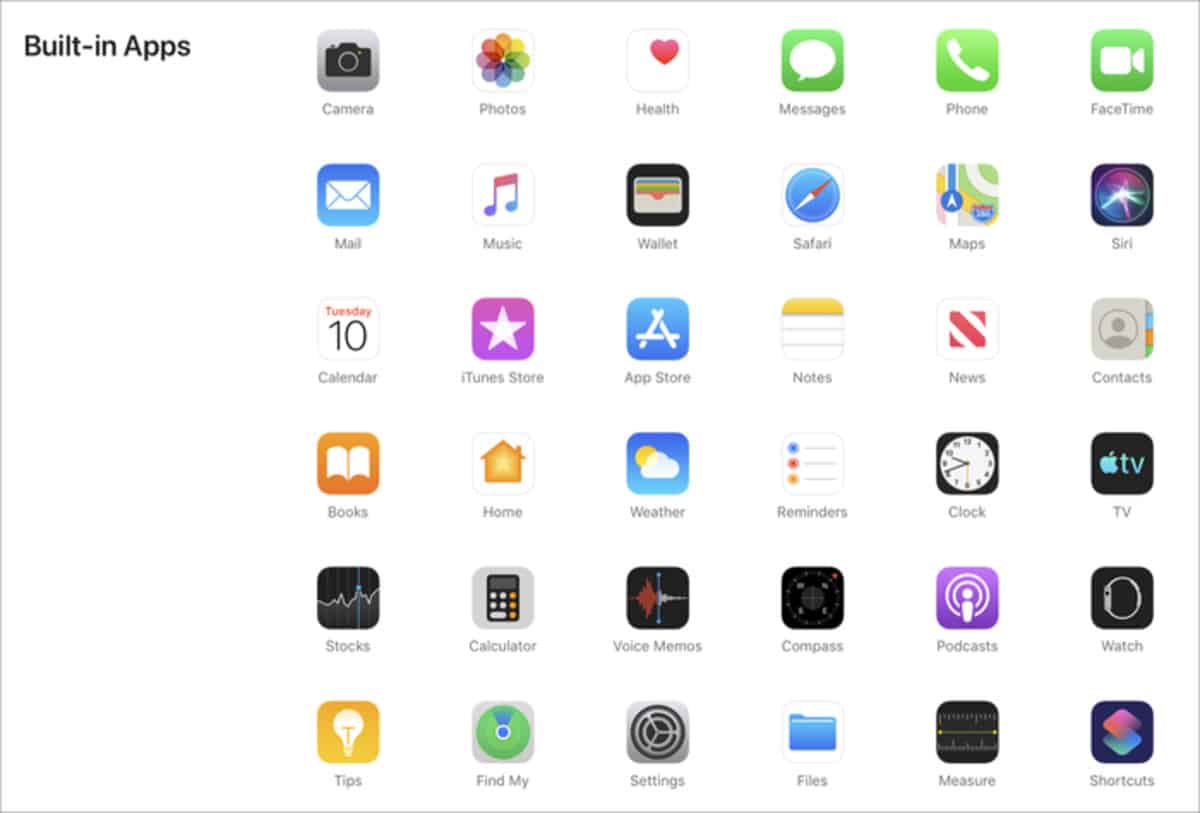
I’ve come to realize that I hardly use any of Apple’s native apps anymore. From the Safari browser to the Calendar, Mail, and Podcasts apps, I find myself relying on third-party alternatives for most of my daily tasks. The only exception might be Notes, which I still find useful and well-designed. This has become especially apparent on both Mac and iPhone.
In fact, many of Apple’s native apps are lagging behind their competitors. For instance, HomeKit is severely lacking in functionality. While it can control heating temperatures, it can’t adjust the fan speed or direction, and it’s still not automated enough. I’ve been hoping for a smart feature that would allow my hot water heater to turn on automatically when the sun shines on my solar panels, but HomeKit can’t handle that.
Similarly, the Books app hasn’t seen meaningful updates since its launch, and managing PDFs or reorganizing files still feels clunky. It seems Apple has simply given up, leaving Amazon to dominate the e-book market.
What about the Health app? Why isn’t it available on Mac? It’s difficult to share health data with medical professionals, and the app doesn’t make it any easier. The lack of integration with medical devices is a huge oversight, and it’s hard to understand why Apple hasn’t done more to bridge that gap.
Another example is iMovie, which has missed out on the booming social media video market. With the rise of YouTube, Instagram, and TikTok, iMovie had a perfect opportunity to dominate the market, but Apple’s release of Clips was a hasty attempt that failed to make a significant impact.
Why the Drop in Quality?
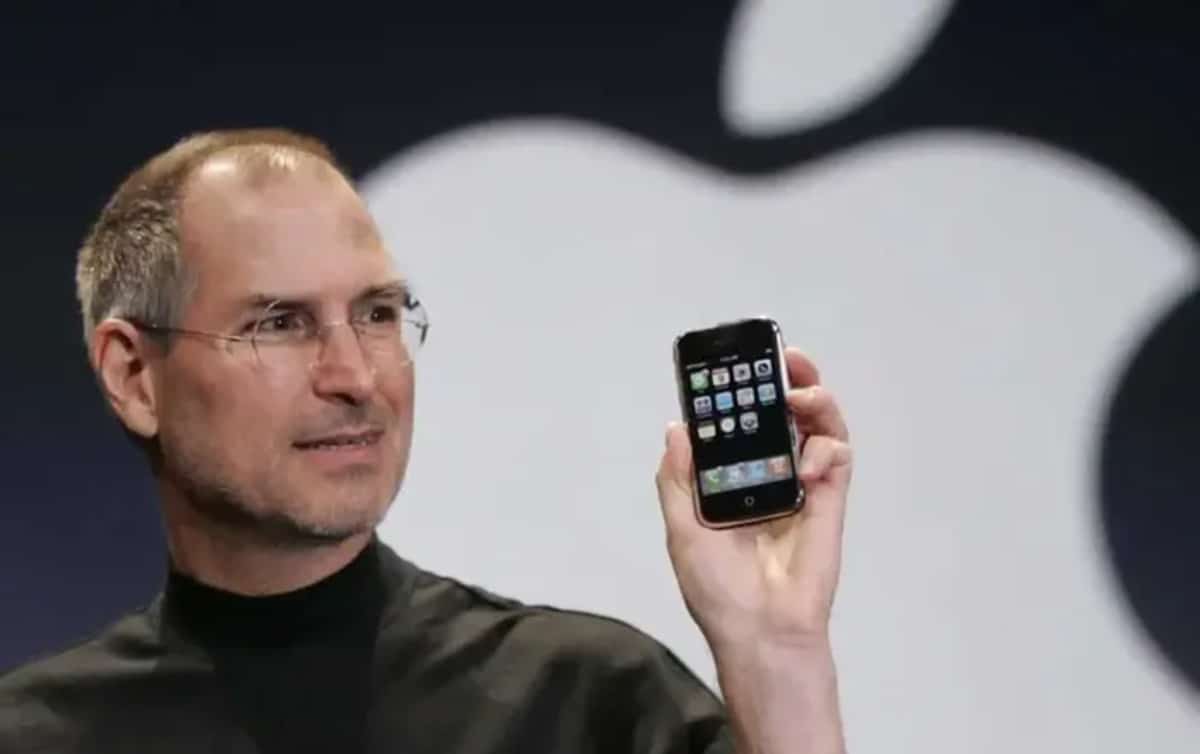
While it’s easy to blame Apple’s leadership, particularly Steve Jobs, I try to avoid turning him into a convenient scapegoat. Jobs was known for his attention to detail, and when something didn’t meet his high standards, it didn’t stay on the table for long. But since his passing, it seems no one at Apple has taken up that mantle of obsessive perfectionism. Software that doesn’t work as expected? It’s simply not getting the attention it needs.
Part of the issue is the pressure of releasing annual updates for both hardware and software. These updates are often driven by marketing needs, not technical ones. Features must be ready for the fall launch, regardless of whether they’ve been properly tested. With multiple operating systems—macOS, iOS, iPadOS, and others—Apple has to juggle too many projects at once. New features often come with bugs, and because updates are released yearly, there’s no time to fix them properly.
The transition from AppKit to SwiftUI has also contributed to some of these issues. For example, the System Preferences app, after its move to SwiftUI, has become a confusing mess, making it harder to navigate.
The Growing Disconnect
There’s another growing issue: Apple’s internal development process seems fragmented. Apps like Contacts or Dictaphone get a few updates here and there, but they often go years without any major changes. It’s as though Apple doesn’t have the internal resources to continuously develop and improve these tools, while at the same time, the competition is rapidly catching up.
The growing competition for developers in Silicon Valley also doesn’t help. Apple is known for not offering as much flexibility in terms of remote work or compensation compared to other tech giants, which may be leading to staff shortages. In some cases, Apple may even acquire companies just for their talent rather than the products they create.
What Apple Could Do to Improve
Apple could learn a lot from its past, particularly the era of Snow Leopard. Released in 2009, Snow Leopard was a system update that focused purely on refinement and optimization rather than new features. It remains a beloved version of macOS because it was stable, fast, and reliable. Apple should consider doing something similar with iOS and macOS, offering a major update every few years focused solely on bug fixing and performance optimization.
Final Thoughts
As it stands, Apple’s software quality is in a troubling decline. The once-innovative tools that made the company’s software stand out have been overshadowed by competitors who are moving faster, offering more features, and putting the user experience first. Apple’s focus on annual updates and marketing over quality may be part of the problem, but it’s not too late for the company to get back on track. With the right leadership and a renewed focus on refinement, Apple could return to its former software glory.