
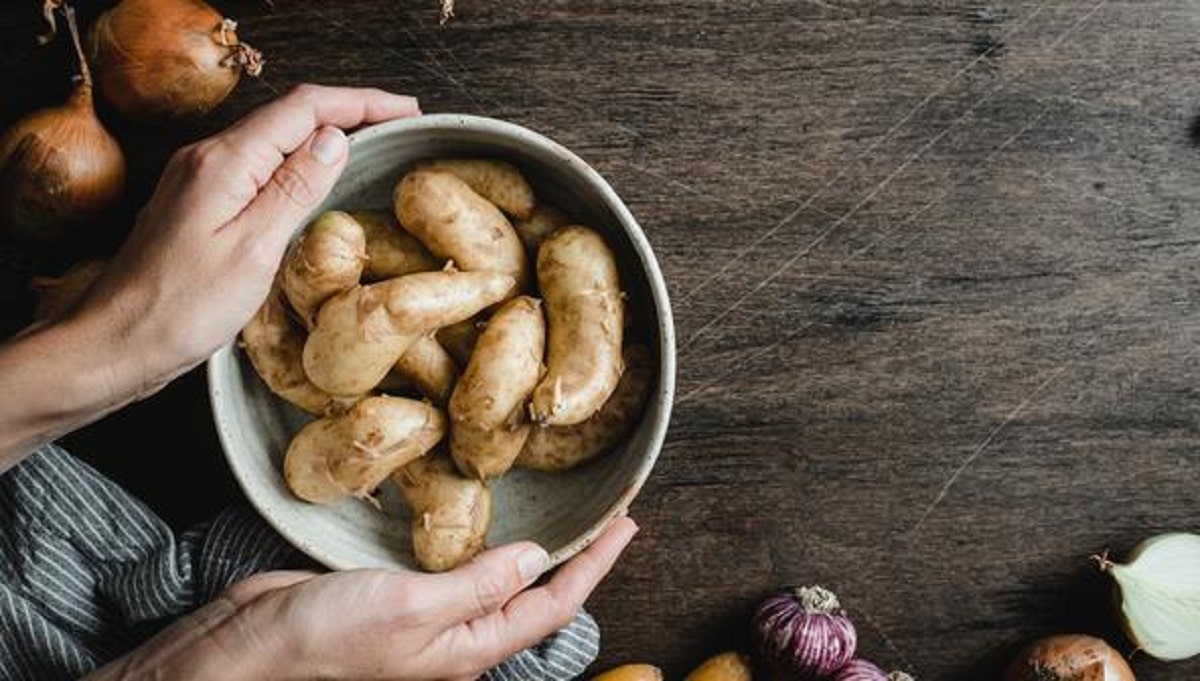
Potatoes are a staple in many kitchens, whether they’re the star of the dish, like in a comforting tartiflette, or served as a simple side to meat or vegetables. However, it’s not uncommon for these humble tubers to start sprouting after sitting in the pantry for a while. So, what should you do if you find your potatoes have sprouted? Can you simply peel off the sprouts and still use them, or should they be tossed in the trash?
Amazon co-founder MacKenzie Scott has donated over $19 billion to charity in just five years
Diamond batteries powered by nuclear waste promise 28,000 years of clean energy
The Toxic Compound Found in Sprouted Potatoes
The short answer is no—you shouldn’t eat potatoes that have sprouted, even if you remove the shoots. According to Catherine Renard, a research director at the French National Institute for Agricultural Research (INRAE), sprouted potatoes produce a compound called solanine, which is a toxic glycoalkaloid. “Consuming solanine can lead to severe symptoms, including headaches, vomiting, stomach pain, and in some cases, long-term neurological effects,” Renard explains.
It’s important to note that the amount of solanine in a sprouted potato depends on several factors, including how long the potato has been stored and the conditions it’s been exposed to. Potatoes that have sprouted, turned green, or have been improperly stored can have higher concentrations of solanine, making them unsafe to consume.
Why Do Potatoes Sprout in the First Place?
So why do potatoes sprout? Potatoes are typically stored for a long period, often in places that are too warm or exposed to light, which accelerates the process of sprouting and turning green. According to Renard, light exposure and warmth are the primary culprits behind the formation of solanine in potatoes. To prevent this from happening, potatoes should be stored in a cool, dark, dry place—ideally between 10 and 15°C (50-59°F). This will slow down sprouting and help preserve their freshness.
Another factor to consider is how you store them. Potatoes should never be kept with onions, as they tend to release gases that can cause the potatoes to sprout or rot prematurely. So, next time you’re organizing your pantry, keep your potatoes in a cool cupboard, away from direct light, and certainly far from the onions!
The Dangers of Storing Potatoes Incorrectly
If you do find your potatoes sprouting, it’s essential to understand that merely peeling away the sprouts is not enough to make them safe to eat. Sprouted potatoes can also turn green under the skin, another indication of solanine buildup. Moreover, improperly stored potatoes can also form acrylamide, a toxic substance that is known to be carcinogenic, mutagenic, and toxic to reproduction when consumed in high amounts. This compound typically forms when potatoes are cooked at high temperatures, particularly in frying or baking.
So, what’s the safest way to store your potatoes? As mentioned earlier, keeping them in a dark, cool spot is key. If you must store them in the fridge, remember that cold temperatures can turn some of the starch into sugar, which could affect the flavor. To avoid both sprouting and acrylamide formation, storing potatoes in a dry, temperate environment is your best bet.
When in Doubt, Throw Them Out
In conclusion, while potatoes are a versatile and affordable food, once they have sprouted, they could pose health risks. Solanine and other harmful compounds can form when potatoes are stored improperly, making it important to handle them carefully. The best practice is to discard potatoes that have sprouted or turned green. And remember, a little prevention goes a long way—store your potatoes properly to avoid these issues in the first place.
NASA warns China could slow Earth’s rotation with one simple move
This dog endured 27 hours of labor and gave birth to a record-breaking number of puppies
By following these simple storage tips, you’ll be able to enjoy your potatoes safely and avoid any unwanted surprises.