
In 2023, my wife and I were driving a Fiat 500X, a small SUV from the Italian automaker now under Stellantis. At the time, electric cars were still in their infancy, and we had opted for a traditional gasoline engine. Living in a provincial city, my personal use of the vehicle was limited—most of my work trips to Paris were by train since the station was just a ten-minute walk away. My wife, on the other hand, relied on the car for her daily commute.
Amazon co-founder MacKenzie Scott has donated over $19 billion to charity in just five years
Diamond batteries powered by nuclear waste promise 28,000 years of clean energy
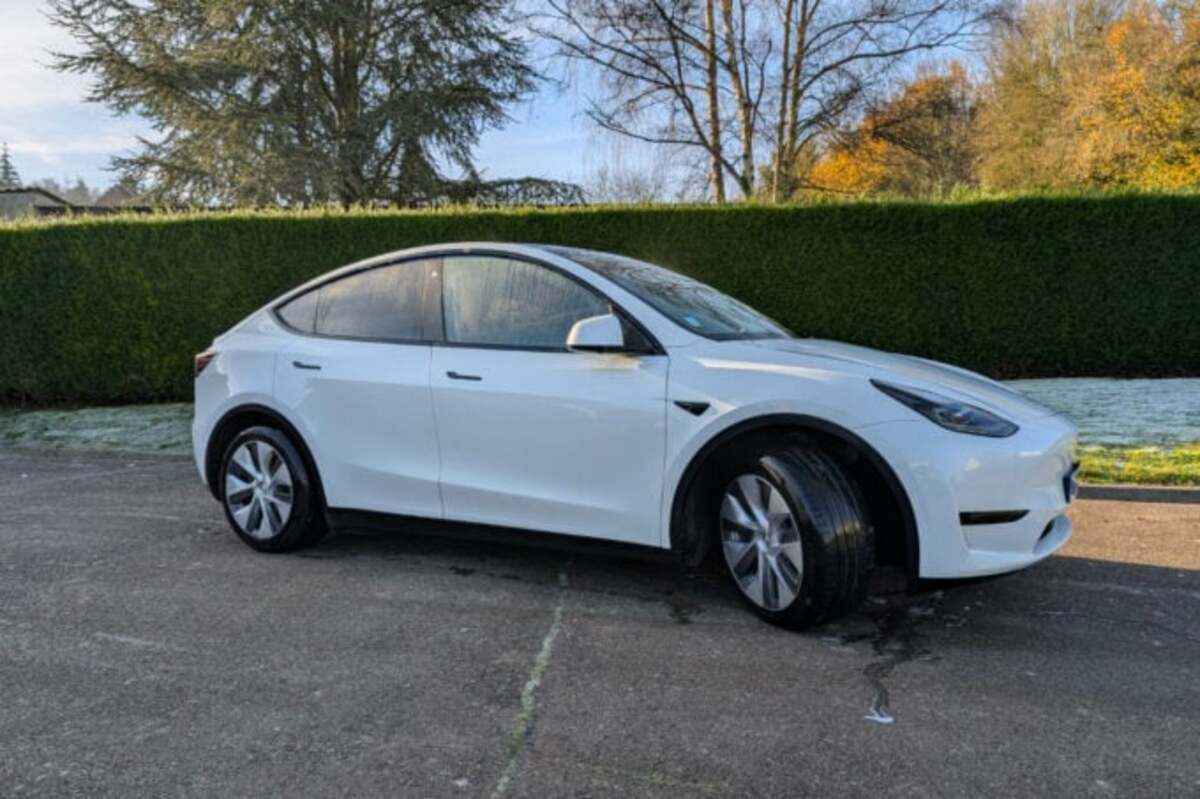
By the end of 2023, we decided to move to a house in the countryside. This shift made us reconsider our transportation needs, especially as fuel prices were rising, with gas nearing two euros per liter. The increase in fuel costs was weighing heavily on our family budget. After some research, I suggested to my wife, “For our primary vehicle, especially for long summer trips, Tesla seems like the most practical choice, particularly because of its Supercharger network.” Although she wasn’t entirely enthusiastic about electric cars, she trusted my judgment. She wanted a smaller second car for daily errands, and she chose the Fiat 500e, while I opted for the Tesla Model Y.
Why not the Model 3? The higher ride height of the Model Y made it easier for us to install our child’s car seat, which is why we landed on the Model Y Standard for me and the 500e for her. With that decision made, let’s focus on the four key lessons I learned during my first year behind the wheel of the Tesla Model Y.
Lesson 1: Electric Cars Aren’t Actually That Expensive
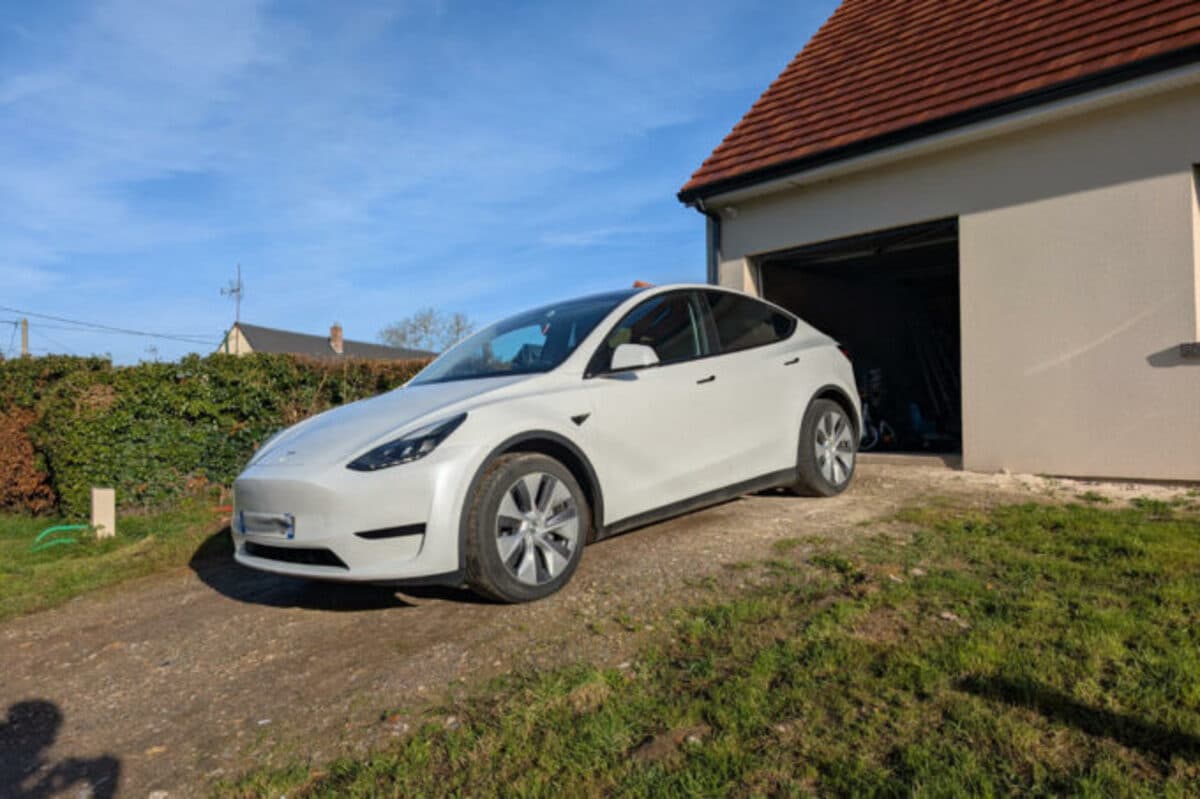
A major concern for many is the cost of electric cars, with the common misconception being that owning a Tesla is an overt display of wealth. While the initial investment is significant, the reality is more nuanced. Yes, buying a Model Y involves a hefty price tag, but it also has financial advantages in the long run.
I chose Long-Term Leasing (LLD) for a more manageable monthly payment, as I didn’t want to own the car outright, considering the potential long-term issues with battery capacity and range. My monthly lease is €450, which is significantly higher than the €250 I was paying for my previous SUV. However, I save considerably on other expenses. My energy costs for charging are just €40 per month, and my insurance dropped from €80 to €60. In total, my Model Y now costs me around €550 per month.
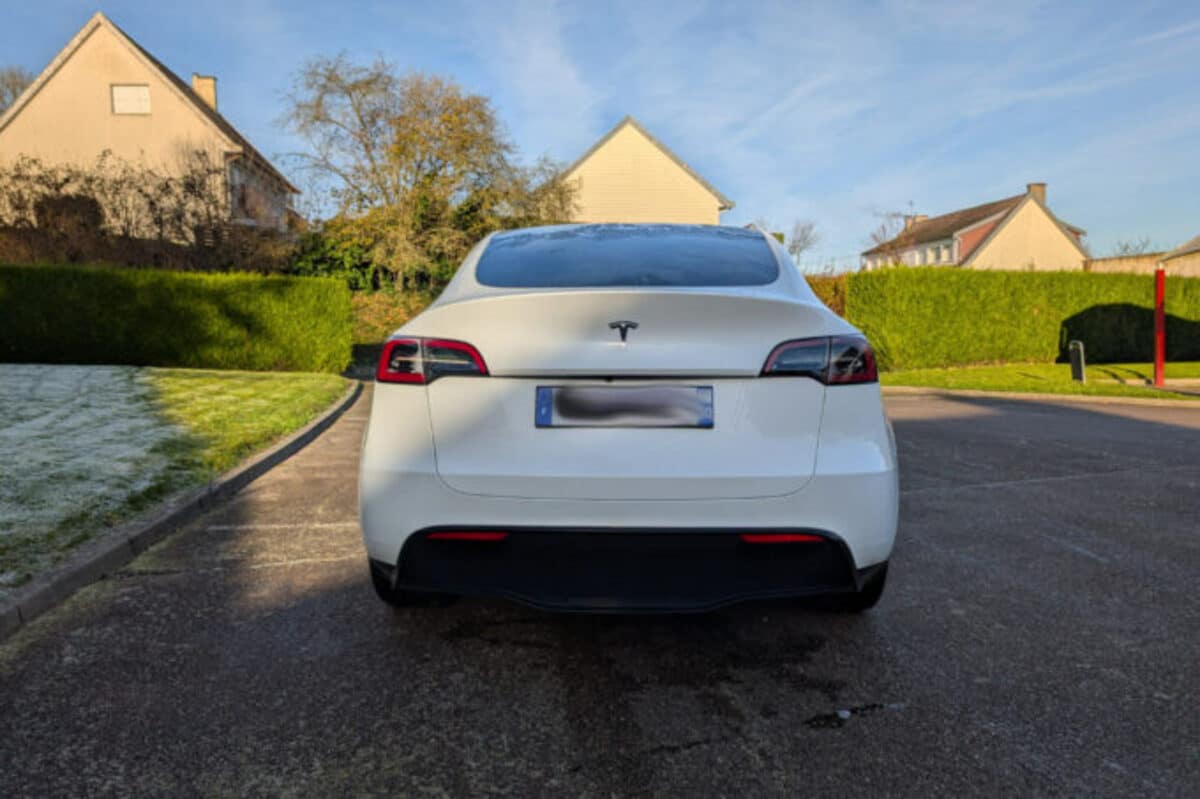
In comparison, my old SUV would cost me €780 per month when factoring in fuel, insurance, and maintenance. So, although my lease payment is higher, the overall costs are actually lower, and I’m getting a much more premium experience. Our combined monthly expenses for both electric vehicles (the Model Y and 500e) come to €850, which is just €100 more than we were spending on a single gas-powered car.
NASA warns China could slow Earth’s rotation with one simple move
This dog endured 27 hours of labor and gave birth to a record-breaking number of puppies
Lesson 2: Range and Charging Are Not Real Issues, But…
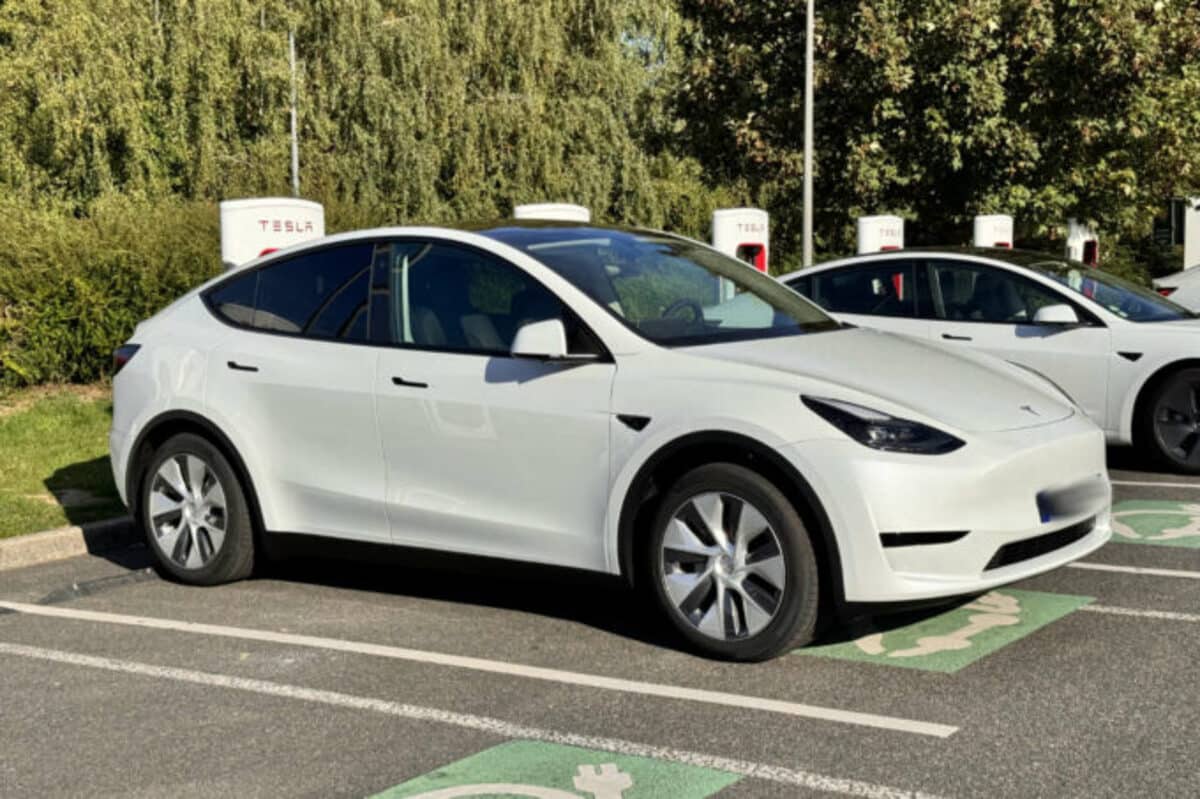
Range anxiety and charging concerns are some of the most common barriers to adopting electric vehicles. The Tesla Model Y is advertised with a range of 450 km per full charge, but in real-world conditions, I typically get about 400 km for daily city driving. On mixed roads, it hovers around 350 km, and on highways, it’s closer to 300 km.
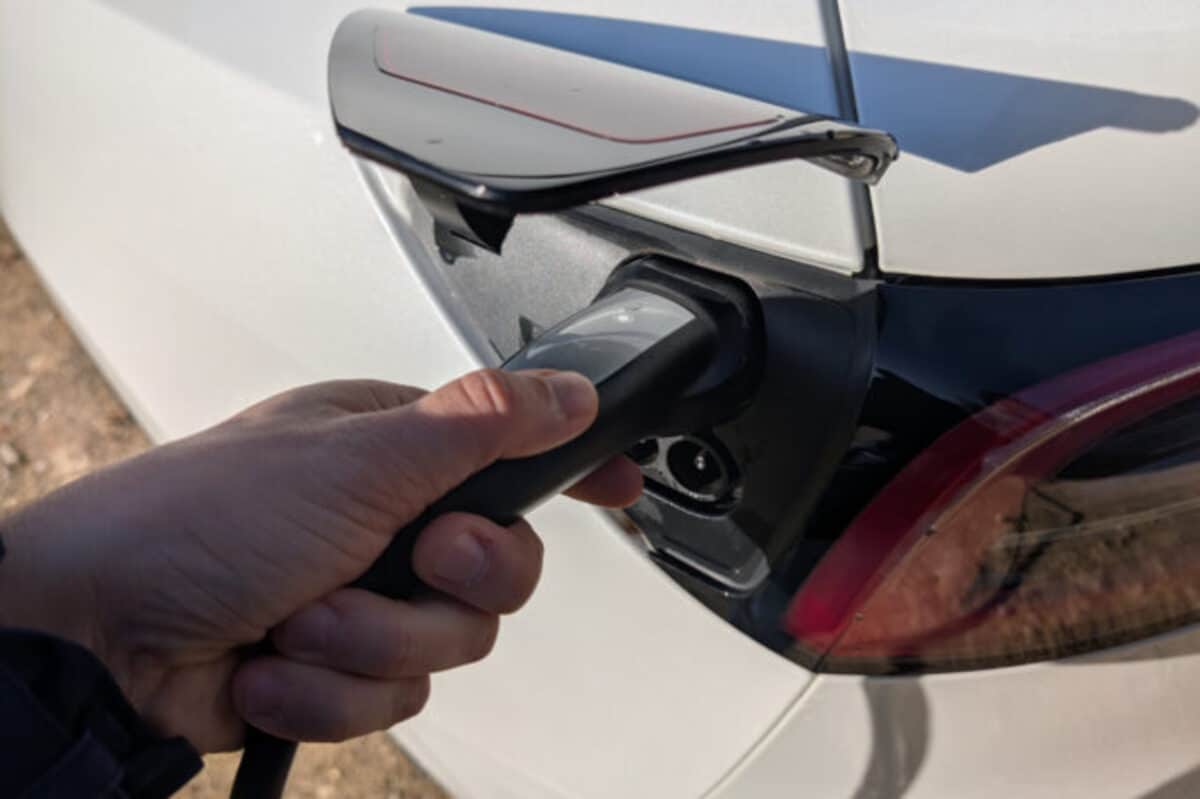
These numbers are a bit lower than those of a gas-powered car, but surprisingly, I’ve found the adjustment to be much less stressful than I anticipated. Of course, this solution isn’t ideal for everyone. I started my experience in an urban area without a home charging option, but fortunately, a Supercharger was conveniently located near my usual gas station, and free charging points were available at the gym I visited every other day.
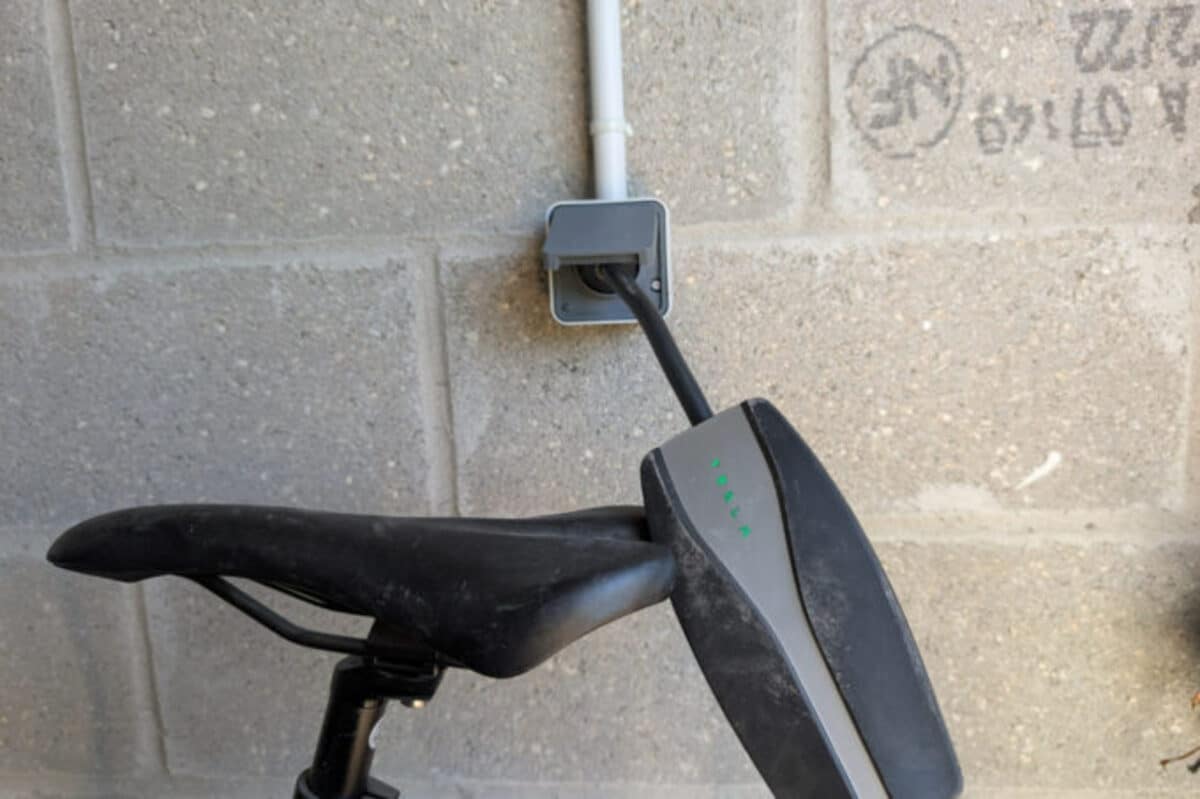
Since moving to a house with a private garage, charging has been much easier. I use a conventional outlet for recharging, which works just fine for my needs. The car charges overnight, and I’m ready to go in the morning. While some people opt for a dedicated charging station, which requires a modification to your electricity meter, I’ve managed without one for now. I did get a quote for a Tesla wall charger but was shocked by the €800 installation fee—so I’ve opted to stick with my current solution.
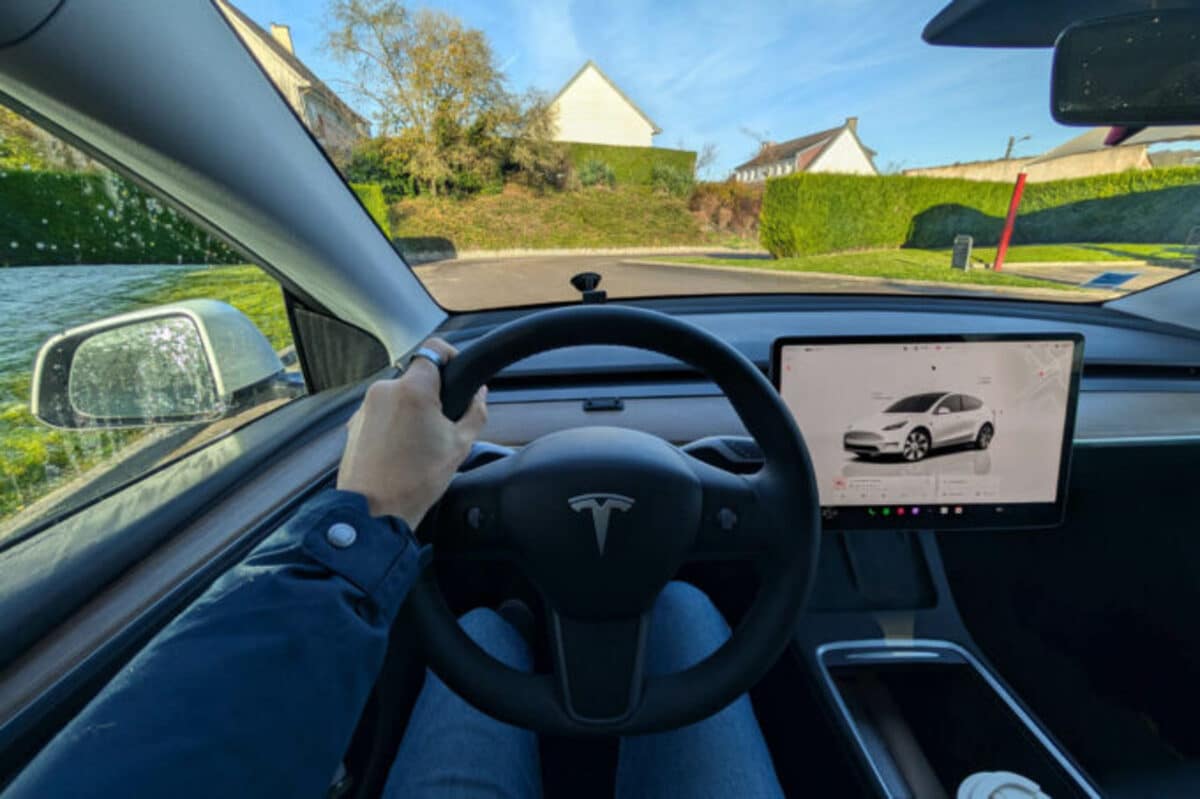
Lesson 3: Long Trips Are Not a Problem
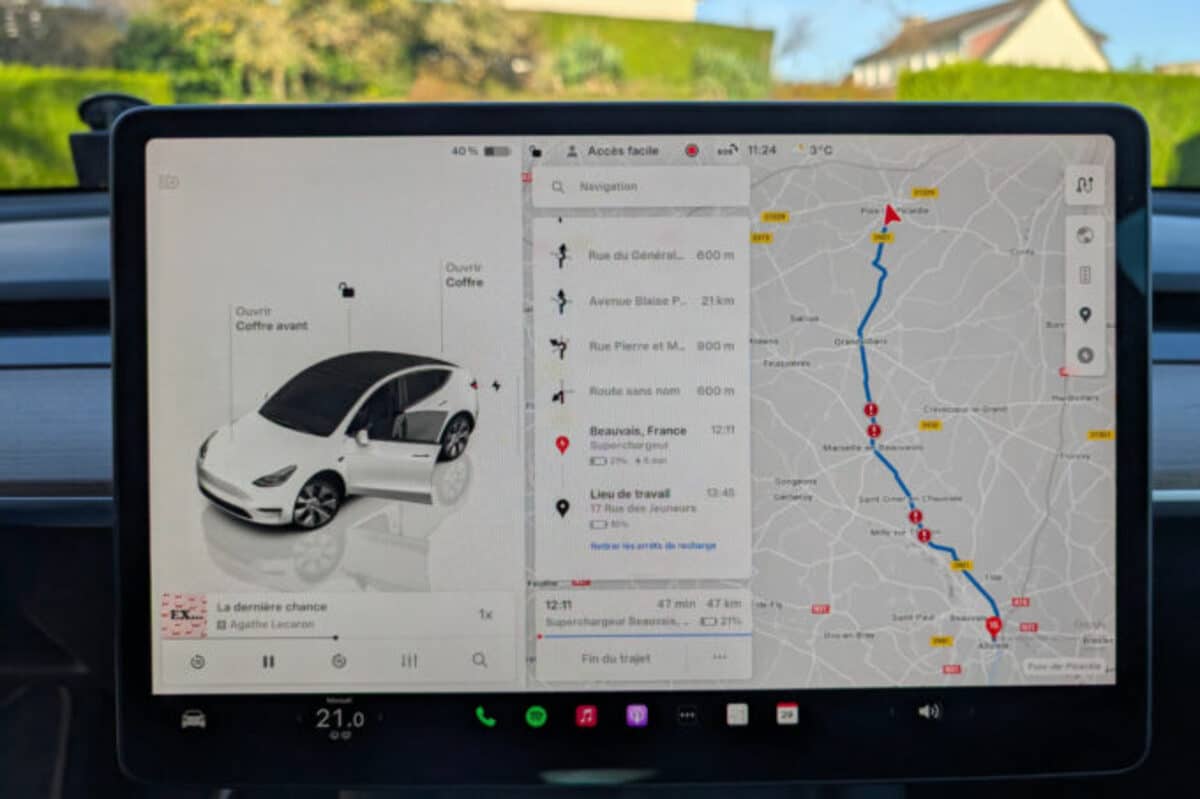
A common criticism of electric vehicles is that they’re unsuitable for long-distance travel. However, my experience has been far from the doom and gloom often portrayed in the media. Previously, I had driven an electric Megane E-Tech across France and found the limited range and long charging times to be frustrating. But with the Tesla, the experience was completely different.
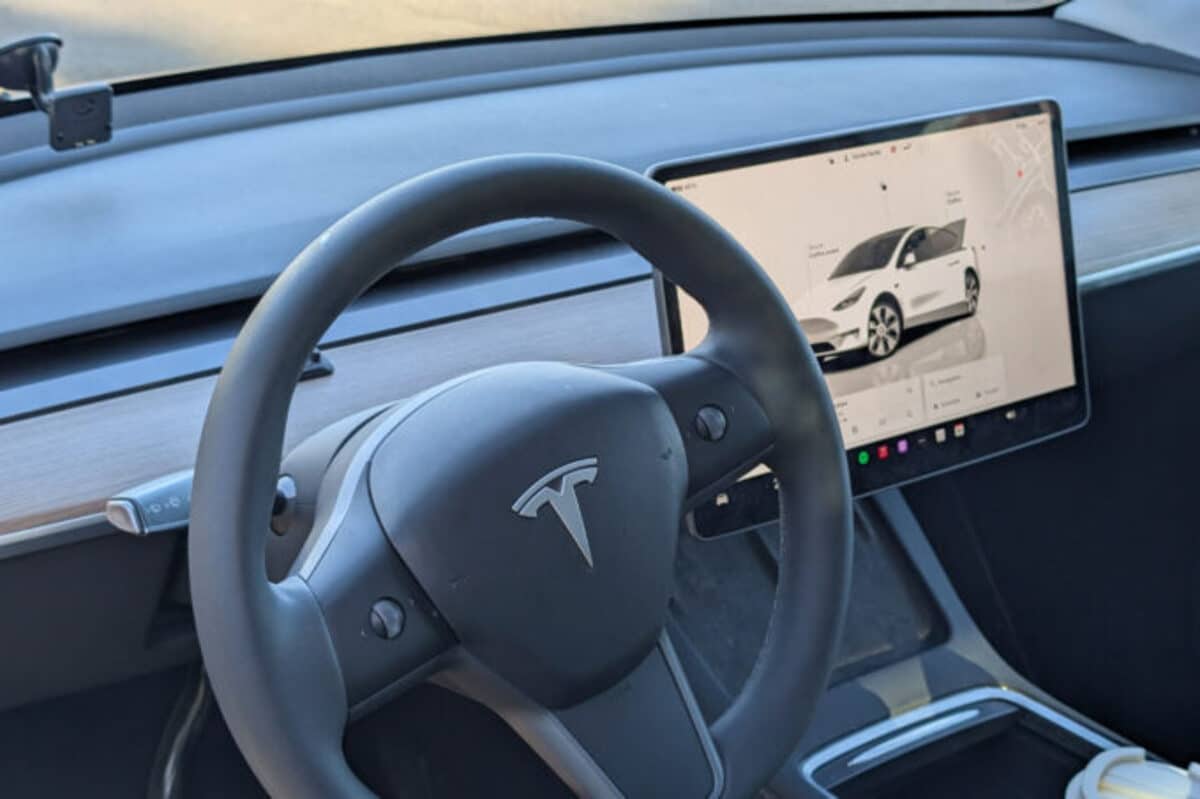
I’ve made several long trips across France, from north to south and east to west, without any issues. The key to a smooth journey is Tesla’s Supercharger network and the improvement in public charging stations. Yes, some networks like Ionity have higher pricing, but I generally stick to Tesla stations, which are easy to find thanks to the route planner. This feature provides real-time information about charging stops, how long each stop will take, and how much range I’ll have when I reach my destination. It’s incredibly efficient.
Charging stops are usually just 10 to 15 minutes long—comparable to the time it takes to fuel up at a gas station, plus a bit of extra time for payment and bathroom breaks. When traveling with my 3-year-old (who was 2 when I started this experience), we’d stop every couple of hours anyway for his comfort. If the journey takes 15 to 30 minutes longer than it would in a gas car, it’s still a small price to pay for the savings and convenience.
Lesson 4: Repairs Can Be Tricky
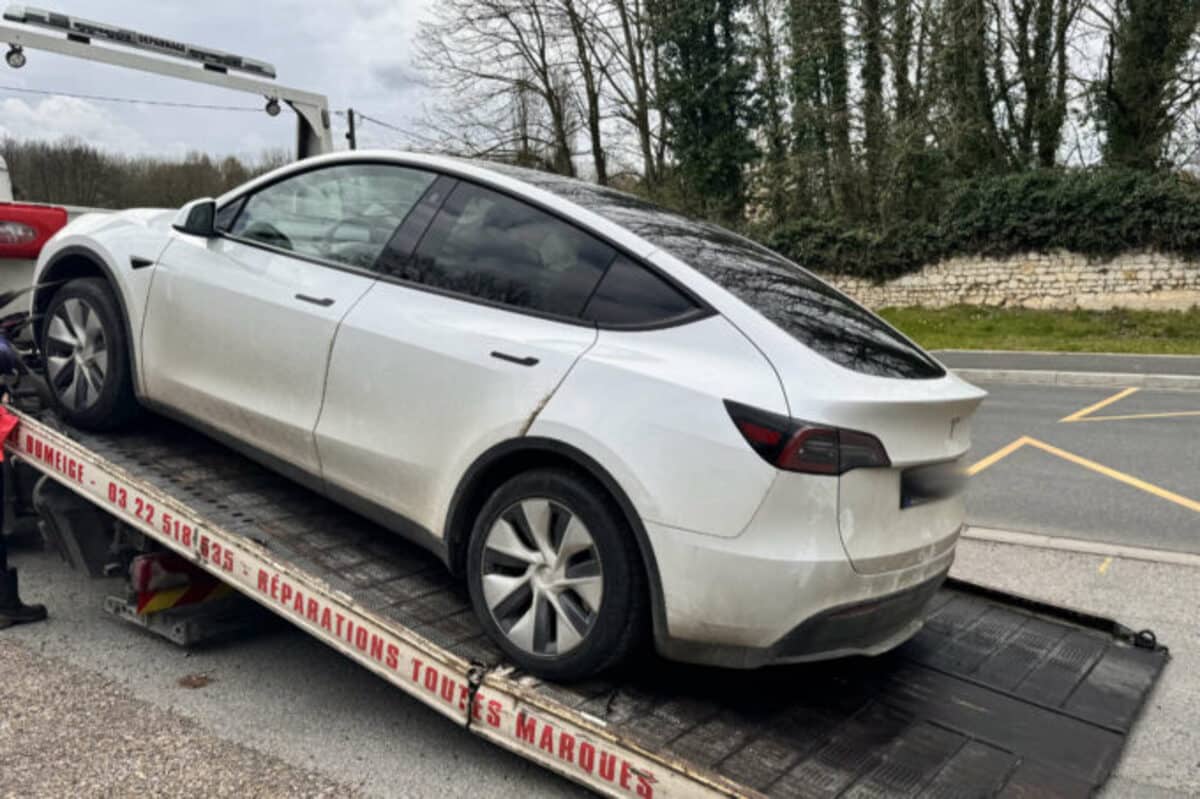
My Tesla Model Y has been very reliable, with the exception of a flat tire I had to deal with. Although Tesla offers roadside tire replacement, my location made this option impractical, so I went with the traditional route and had the tire replaced at a local garage. This was where I hit a bit of a snag—finding a compatible tire was more difficult than I anticipated, and one well-known tire specialist even told me, “We don’t deal with electric vehicles.”
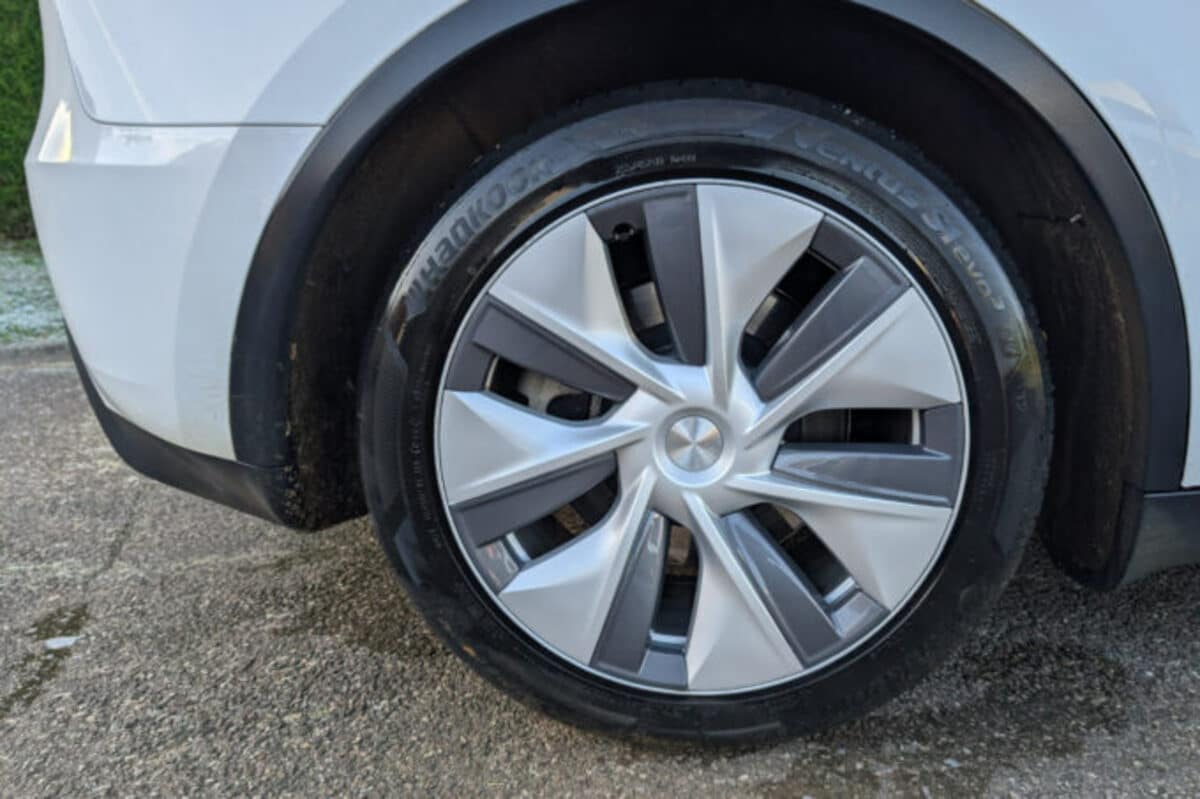
I eventually found a small, independent garage that had the solution. The owner ordered the correct tire online and had it delivered to his shop for fitting—all for just €25. He also spotted a small crack in my wheel and sent me to another local expert, who repaired the wheel for only €70, saving me from having to replace the entire rim, which would have cost around €500.
Conclusion: A Year With the Tesla Model Y
After a year with the Tesla Model Y, I can confidently say I’m very happy with my decision. While the initial investment was higher than a conventional car, the savings on fuel and maintenance have more than made up for it. The key to enjoying an electric car experience is having access to home charging or workplace charging. Public charging stations can work, but they’re still a bit of a hassle on a daily basis.
Long trips are no longer a concern, thanks to the range and fast charging available. However, choosing the right vehicle for your needs is essential—an electric car with sufficient range and a robust charging infrastructure makes all the difference. My wife, who was initially skeptical about going electric, is now fully onboard with the idea, and she can’t imagine going back to a gasoline car either. If she’s convinced, I think it’s safe to say electric cars have a bright future ahead.