
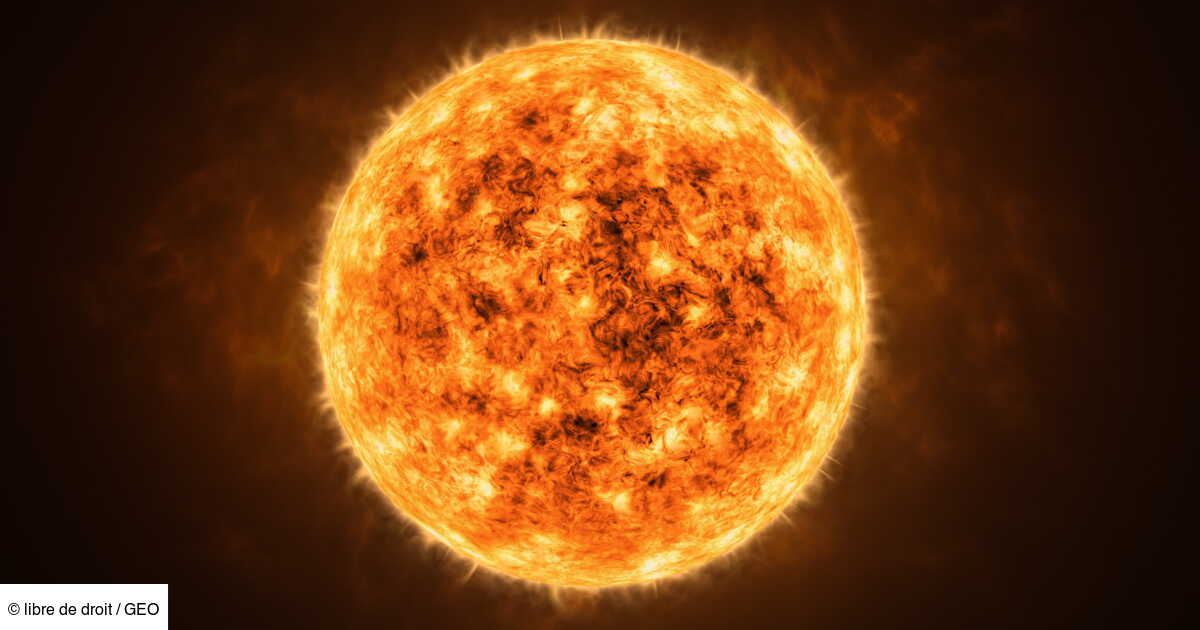
It’s a phenomenon that sounds like something out of a sci-fi movie, but it’s real and rapidly approaching. The “battle zone” phase of the Sun’s activity cycle—coined by scientists at Lynker Space—could bring serious disruptions to life on Earth. This stage is marked by the appearance of giant coronal holes on the Sun’s surface, which have the potential to wreak havoc on satellites orbiting our planet. And according to the latest forecasts, we’re about to enter this phase much sooner than expected, starting as early as 2025.
Amazon co-founder MacKenzie Scott has donated over $19 billion to charity in just five years
Diamond batteries powered by nuclear waste promise 28,000 years of clean energy
Understanding the Solar Cycle and Its Importance for Earth
To grasp the magnitude of this event, it’s essential to understand the Sun’s activity cycles, which operate on a roughly 11-year rhythm. Every 11 years, the Sun’s magnetic poles flip, going from a period of weak magnetic activity to one of intense solar activity. This process leads to solar flares and massive explosions on the Sun’s surface, which send charged particles toward Earth. These bursts are not just awe-inspiring but can also trigger stunning auroras visible in the night sky.
Since 2019, the Sun has been in a new cycle of high magnetic activity, and initially, scientists expected the peak of this cycle—known as the solar maximum—to occur in 2030. However, due to increased solar activity in recent years, experts now predict that the maximum will arrive much sooner, likely in 2025. This acceleration means that we will soon be experiencing the battle zone, a period of heightened solar activity, earlier than expected.
The “Battle Zone”: Why It’s Cause for Concern
What makes the “battle zone” particularly concerning? First and foremost, solar activity will remain high for years after the solar maximum. This means that Earth will be struck by as many solar storms as we currently face, potentially even more. But it’s the second factor that really ups the stakes. At the end of what scientists call the Hale cycle, which spans 22 years, the Sun’s magnetic bands begin to clash. This confrontation creates coronal holes, dark spots that form on the Sun’s corona, allowing charged particles to escape into space.
Coronal holes are particularly dangerous because they can lead to solar wind gusts—short but powerful bursts of charged particles that could impact Earth’s magnetic field. This could have serious consequences for satellite operators, as the intense geomagnetic activity during this phase could disrupt satellite functions or, in extreme cases, even cause them to fall back to Earth.
The Potential Impact on Satellites and Earth’s Technology
While the “battle zone” may sound alarming, it’s important to note that the immediate threat to life on Earth is relatively minimal. The biggest risk comes to the infrastructure we rely on, particularly satellite technology. With the increase in solar wind and geomagnetic storms, satellites might face malfunctions, and their orbits could be affected. This could lead to communication disruptions, GPS inaccuracies, and a broader impact on technological systems that depend on satellite data.
On a more positive note, the battle zone could be an exciting time for those who love to watch the night sky. The heightened solar activity increases the likelihood of seeing auroras, so for aurora hunters, this period might offer some spectacular displays.
A New Era of Space Weather Awareness
As we approach this solar battle zone, it’s clear that we must be prepared for the potential consequences of increased solar activity. While the risks to Earth itself are low, the impact on our technological infrastructure could be significant, and scientists are keeping a close eye on the Sun’s behavior as 2025 approaches. Now more than ever, we need to understand and mitigate the effects of space weather on our everyday lives—especially as our dependence on satellites and space-based technology continues to grow.
NASA warns China could slow Earth’s rotation with one simple move
This dog endured 27 hours of labor and gave birth to a record-breaking number of puppies
In the meantime, we can take comfort in the fact that, even in the midst of these solar storms, the Earth remains relatively safe. For now, it’s just a matter of adjusting to the solar rhythm and hoping the lights in the sky offer a bit of beauty amid the chaos.