
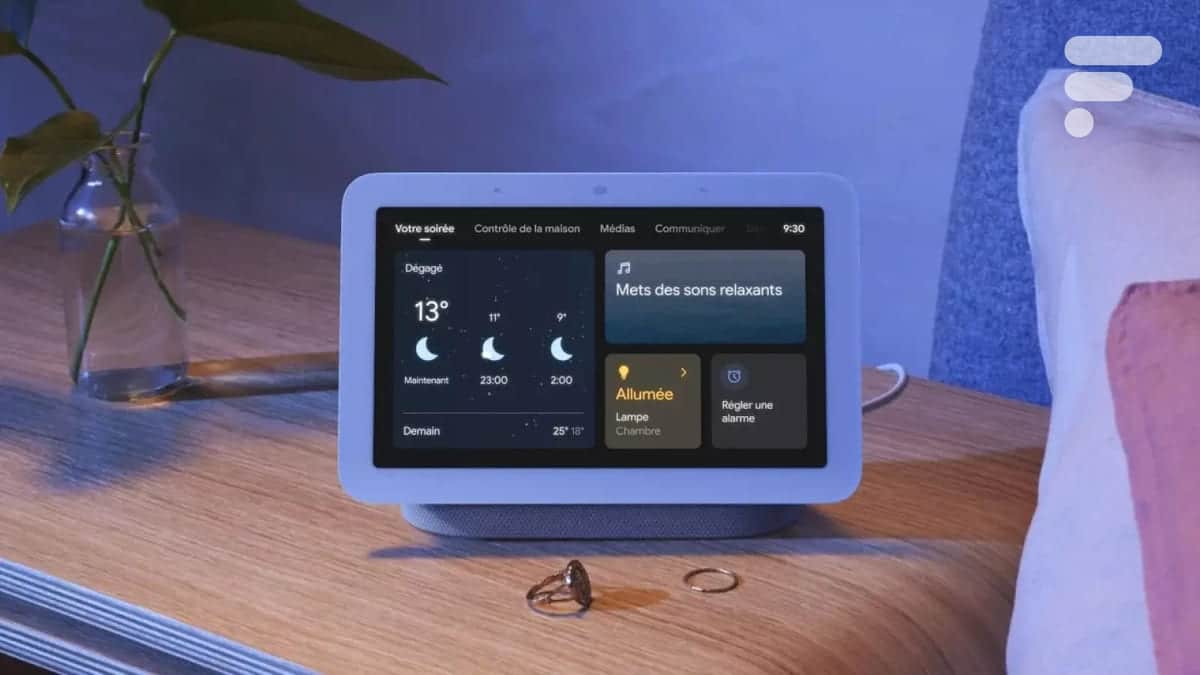
If you’ve ever found yourself waving frantically at your smart lights or yelling at your Google Assistant because your Wi-Fi’s decided to take a coffee break, then brace yourself—Google has just rolled out something big. And by big, we mean potentially game-changing for the way we run our homes. No more internet? No problem. Let’s dive in.
Amazon co-founder MacKenzie Scott has donated over $19 billion to charity in just five years
Diamond batteries powered by nuclear waste promise 28,000 years of clean energy
Goodbye Wi-Fi Dependence : Hello Local Control
For years, there’s been a somewhat ironic downside to smart homes—they often stop being “smart” the minute your internet connection flakes out. Lights stuck in the off position, thermostats frozen (sometimes literally), and smart locks acting… well, not so smart.
But here comes the twist: Google’s latest update now allows users to control Matter-compatible devices locally, even when there’s no internet in sight. It’s made possible by integrating Google’s own Runtime environment directly into Google Home hubs. Translation: your devices can now talk to each other without having to send data on a round trip to the cloud and back.
Think of it like setting up a direct group chat between your devices—no Wi-Fi middleman needed. Tech experts, who’ve long criticized smart homes’ dependence on cloud connectivity, are now applauding Google for patching one of the biggest holes in the system.
Outages ? Network Glitches? No Worries
Imagine this. You’ve just walked through the door after an exhausting day. Your Wi-Fi’s down (again), and you’re mentally preparing for a battle with your router, followed by 15 minutes in the dark. Now, thanks to Google’s local control update, your lights, locks, and even thermostat stay perfectly functional.
It’s not just about convenience, either—it’s a matter of security. A smart lock reliant on the cloud could spell trouble during a service outage. Google’s new approach ensures that even in the event of network issues or ISP hiccups, your connected home keeps ticking, with critical devices like locks and alarms still fully operational.
Third-Party Developers, You’re Invited
This update isn’t just about making your current devices more reliable. Google has also thrown open the doors to developers by offering broader access to Home APIs. What does that mean for you?
It means brands that might have previously stayed in their own lane are now encouraged to collaborate more deeply. Picture your smart thermostat coordinating with your security camera, or your lights syncing effortlessly with a smart lock—all from different manufacturers. No more worrying about whether Device X “plays nice” with Device Y.
NASA warns China could slow Earth’s rotation with one simple move
This dog endured 27 hours of labor and gave birth to a record-breaking number of puppies
Essentially, Google is pushing towards a truly interconnected, brand-agnostic smart home experience. No more walled gardens. Just seamless communication.
So, What’s Next for the Smart Home?
This isn’t a minor tweak. It’s a leap toward what many have been dreaming about: a resilient, intuitive, and future-proof home automation system.
If you’re already a Google Home user, this update is a no-brainer. The ability to control your home during outages while integrating an even wider array of third-party devices could redefine the way we approach smart living.
And if you’ve been sitting on the fence, wondering whether to jump into home automation? Well, Google might’ve just handed you a very convincing reason.
One thing’s certain: the days of helplessly staring at unresponsive smart bulbs when the internet is down may soon be behind us. The smart home revolution just got a little bit smarter—and a whole lot more dependable.