
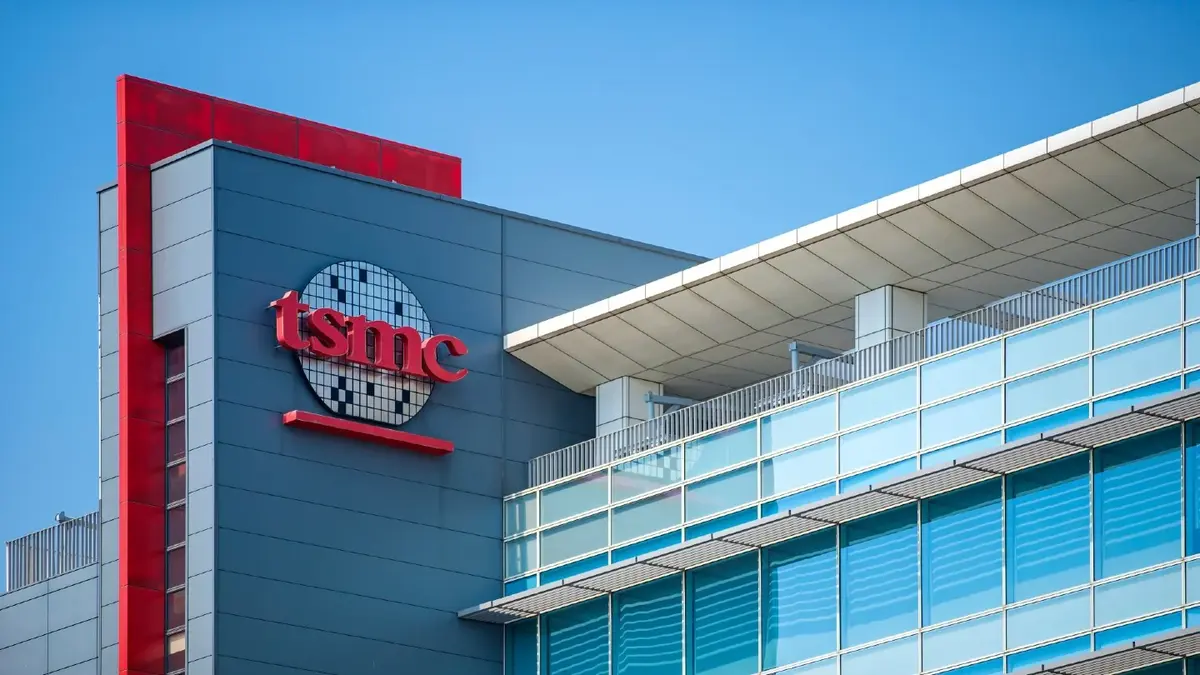
TSMC, Apple’s key chip supplier, plans to significantly speed up the construction of its U.S. factories. The aim is to boost the production of semiconductors Made in USA
for Apple devices, although the most advanced chip generations will still be reserved for the top-tier lines in Taiwan.
Amazon co-founder MacKenzie Scott has donated over $19 billion to charity in just five years
Diamond batteries powered by nuclear waste promise 28,000 years of clean energy
A Slow Start with Future Promises
TSMC’s first U.S. factory, located in Arizona, has experienced several delays. Originally scheduled to start production in 2023, it will now only become operational in 2024 and will initially produce 5 nm chips, such as the A16 chip found in the iPhone 14 Pro and some iPhone 15 models.
According to Nikkei Asia, TSMC has informed its investors that subsequent factories will come online much faster. While the first facility took nearly five years, the company claims that future ones will take no more than two years to launch. A facility for 3 nm chips is set for 2028, and a dedicated 2 nm site is expected before 2030.
A Limited but Strategic Role
Even with this accelerated timeline, the American factories will not produce the most advanced chips used in the newest Apple products, since Research & Development and the most sensitive technologies will remain concentrated in Taiwan. Thus, the chips manufactured in the U.S. will primarily be for older or entry-level devices still on the market.
This strategy, however, helps diversify production and reduces geopolitical dependence on Asia, especially given the ongoing tensions in the Indo-Pacific region.
Despite these efforts, not everyone is convinced. Pat Gelsinger, former CEO of Intel, has expressed his skepticism about the real usefulness of TSMC’s U.S. factories in strengthening the country’s position in the semiconductor industry.
In an interview reported by the Financial Times, he stated: If you don’t have R&D in the U.S., you won’t have semiconductor leadership
. He believes that the lack of R&D transfer from TSMC in Taiwan severely limits the strategic impact of these new factories. However, political and military tensions might lead to changes in the situation.
A Long-Term Strategy
Although TSMC’s U.S. factories cannot yet match their Taiwanese counterparts, their ramp-up marks a turning point for Apple, which could eventually benefit from a more resilient and geographically dispersed supply chain. For Apple, this is a key issue, both logistically and politically, in light of the initiatives supported by the U.S. CHIPS and Science Act.