
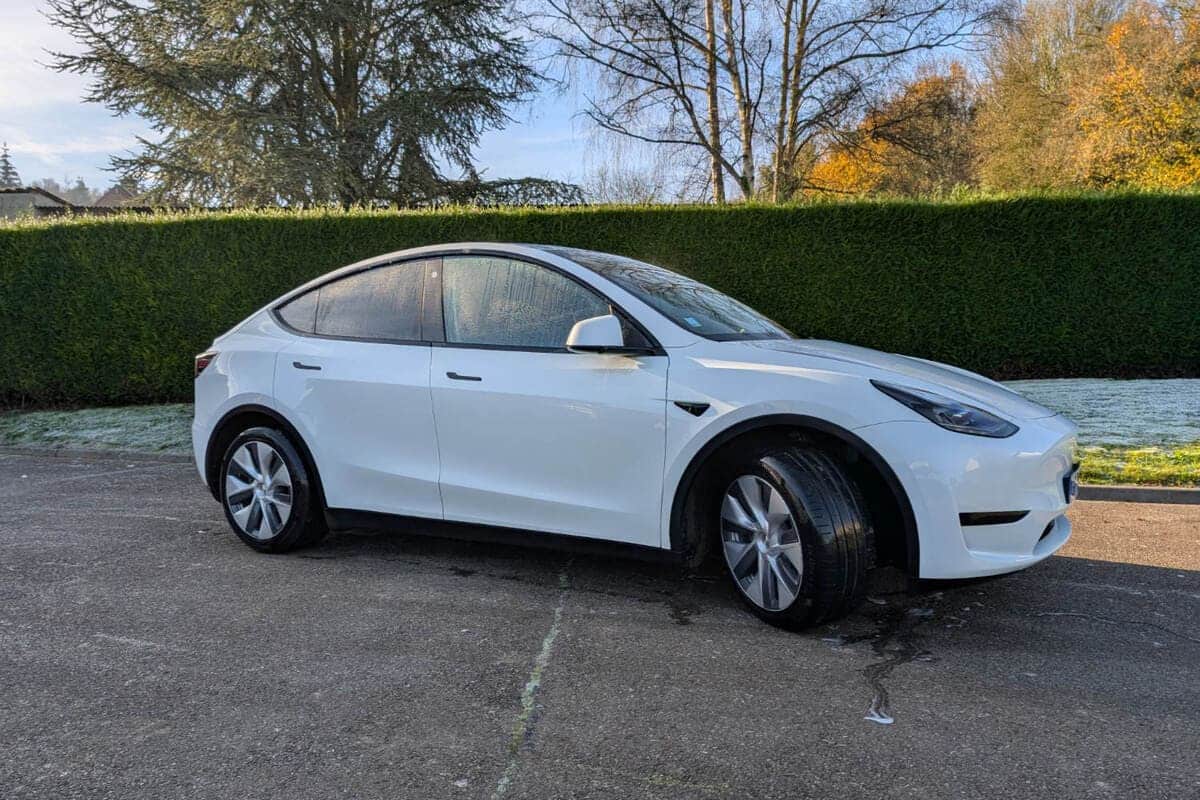
In November 2023, I made the leap to electric driving, trading in my old gas-powered car for a Tesla Model Y. After a year of living with it, I’ve learned a lot about the pros and cons of owning an electric vehicle (EV). From the costs to the range, and even the challenges of long-distance travel, here’s my honest assessment of life with a Tesla.
Amazon co-founder MacKenzie Scott has donated over $19 billion to charity in just five years
Diamond batteries powered by nuclear waste promise 28,000 years of clean energy
Lesson #1: EVs Aren’t as Expensive as They Seem
One of the biggest concerns people have when considering an EV is the cost. The perception is that owning a Tesla is a luxury reserved for the wealthy, but after a year with the Model Y, I can say that’s not entirely true. While the upfront price is higher than many gas-powered vehicles, the savings in other areas have more than made up for it.
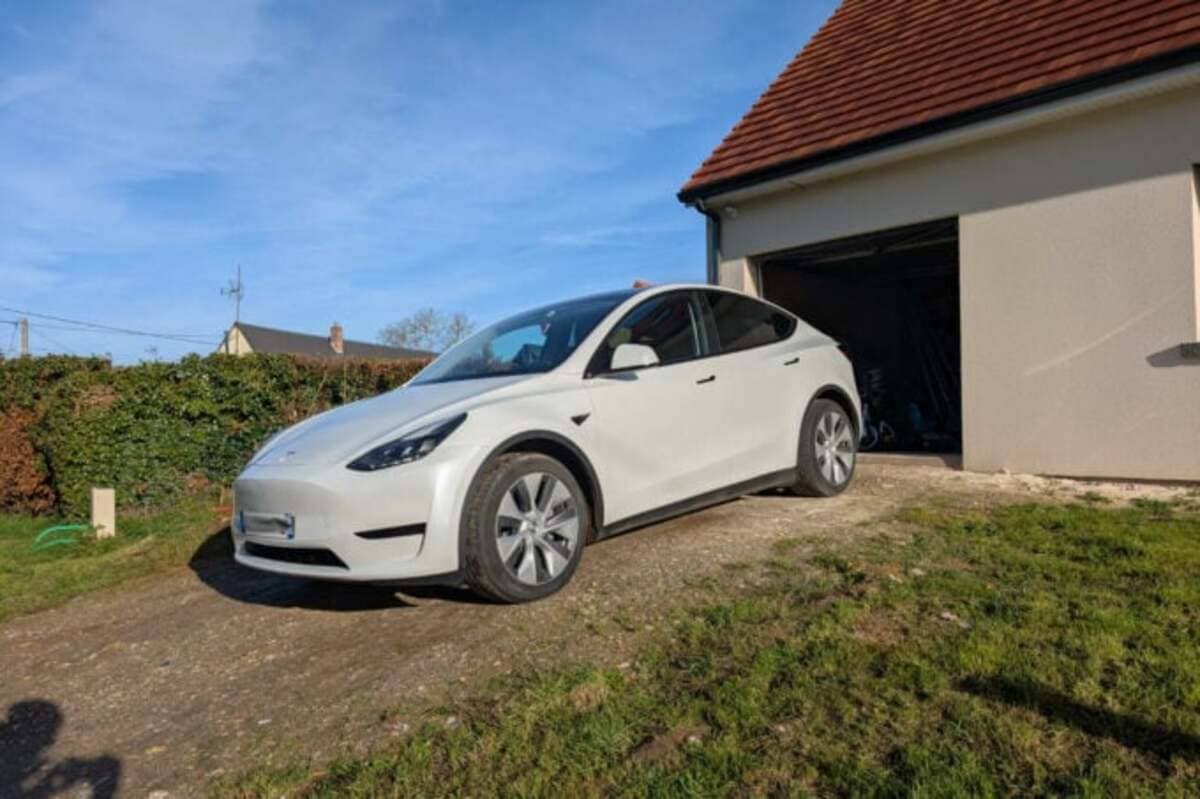
I went with a long-term lease for €450 per month, which was higher than the €250 I paid for my previous SUV. However, the savings on running costs have been significant. I’m now paying just €40 per month for charging, down from the €400 I used to spend on gas. My insurance dropped from €80 to €60, and maintenance costs are nearly nonexistent—apart from adding windshield wiper fluid now and then.
When I compare these costs to my old gas vehicle, my overall transport budget has dropped from €780 to €550 per month. With my wife’s smaller EV, a Fiat 500e, we now spend just €850 per month on both cars—far less than the nearly €1,500 we would have spent on two gas-powered vehicles. This, in my opinion, makes owning a Tesla an incredibly cost-effective choice for anyone who drives regularly.
Lesson #2: Range and Charging Anxiety Are Overblown (But Not for Everyone)
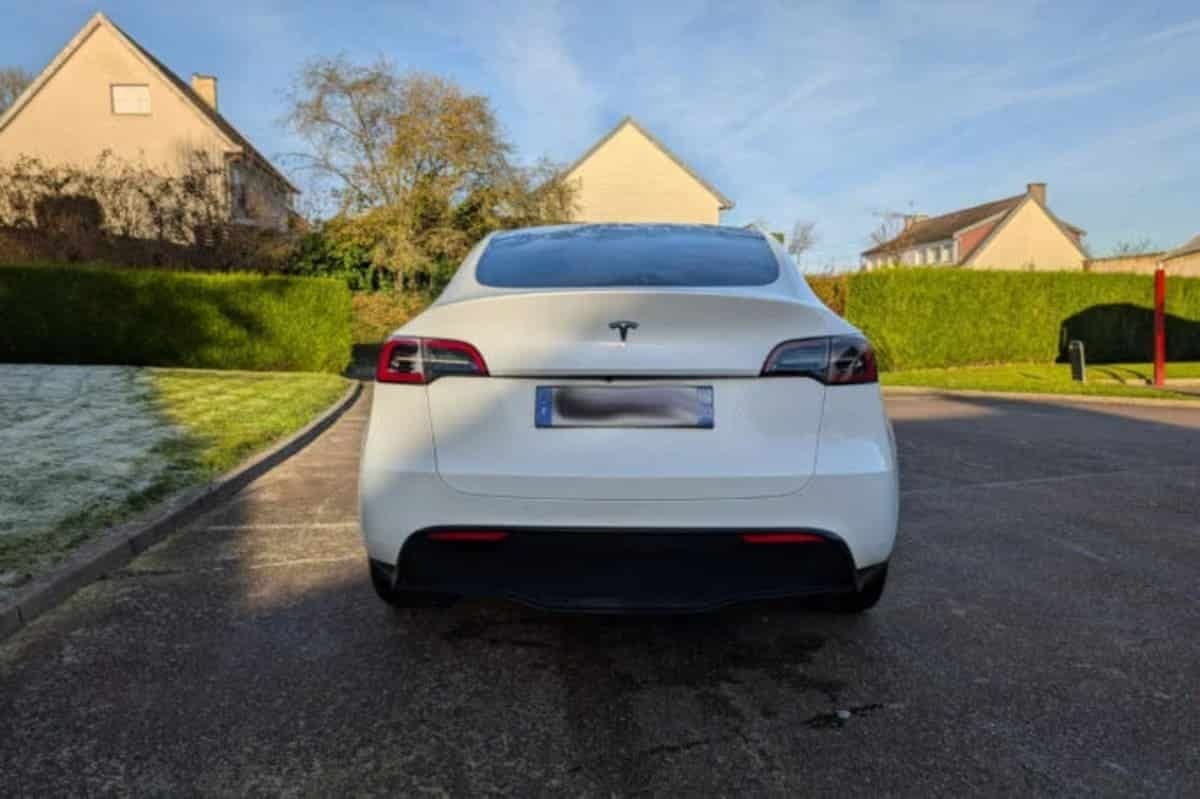
Another big concern with EVs is range and charging availability. On paper, my Tesla Model Y Standard has a range of 450 kilometers, but in reality, it varies depending on the conditions. In the city, I get about 400 kilometers, while mixed routes bring it down to 350 kilometers, and highway trips can leave me with around 300 kilometers of range.
NASA warns China could slow Earth’s rotation with one simple move
This dog endured 27 hours of labor and gave birth to a record-breaking number of puppies
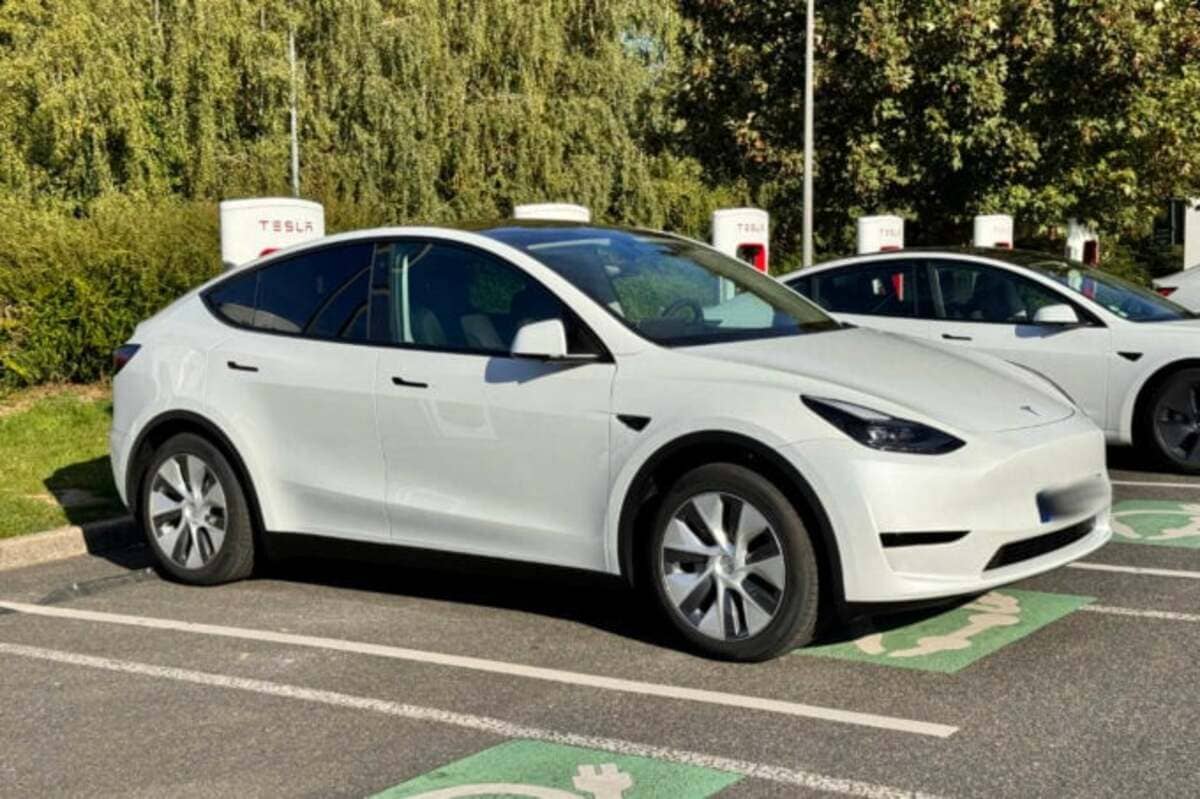
At first, I was concerned about whether that would be enough for my daily driving. But the truth is, adapting to an EV wasn’t as hard as I feared. I didn’t have a dedicated charger when I first started, so I relied on public charging stations. Fortunately, there was a Tesla Supercharger nearby, and I could also use the free chargers at my gym, so I rarely ran into problems.
Since moving to the countryside, charging has been even easier. I simply plug the car into a regular outlet overnight, and by the morning, it’s ready to go. Installing a dedicated home charger would speed things up, but the regular outlet has been perfectly fine for my needs. I’ve driven 30,000 kilometers over the past year without any issues.
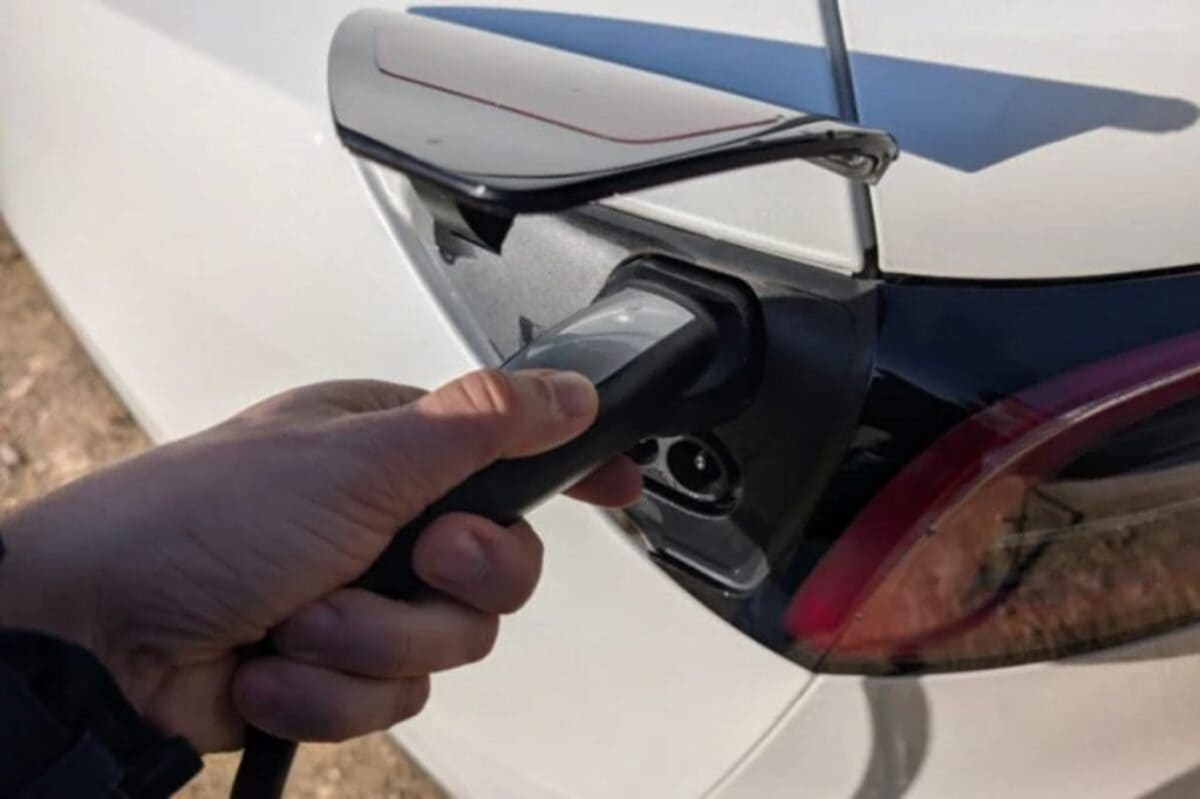
That said, I do recognize that this setup may not work for everyone. Access to home charging is a crucial factor for smooth EV ownership, and relying solely on public chargers can be inconvenient, especially in areas where infrastructure is limited.
Lesson #3: Long Road Trips Are Surprisingly Stress-Free
Before owning the Tesla, I was skeptical about how long trips would work with an electric vehicle. The stories I heard about long charging stops and range anxiety left me hesitant. But after several road trips—including a cross-country drive from the north to south and another east to west—I can confidently say that those concerns are mostly outdated.
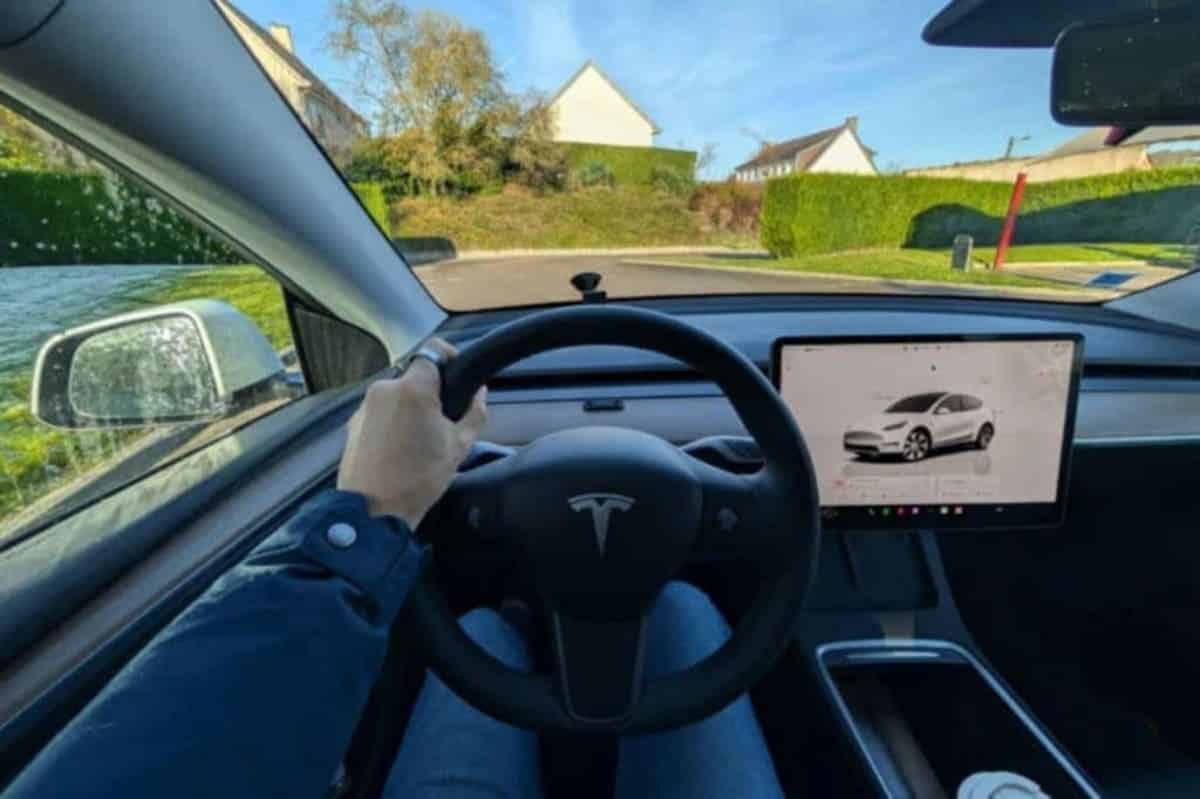
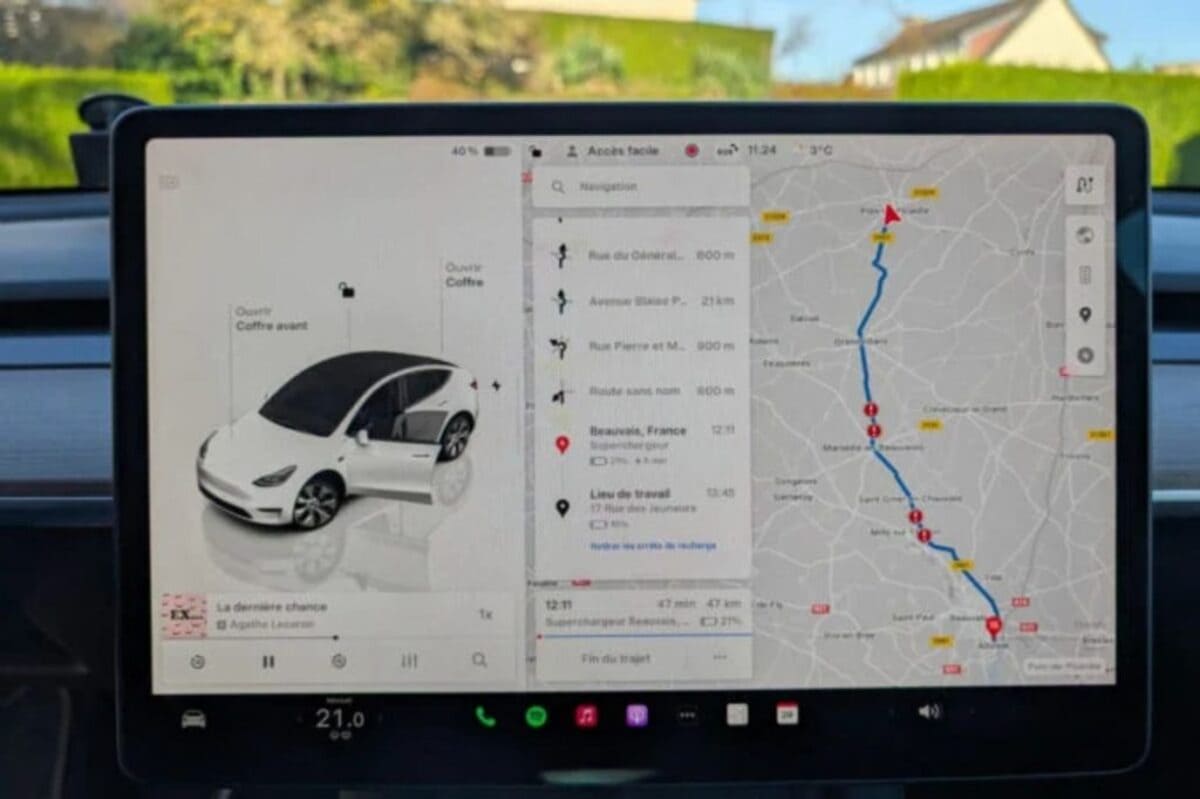
The Tesla Supercharger network and its real-time trip planner made these long trips much easier than expected. The system calculates your route, factoring in charging stops, estimated times, and battery percentages at each point along the way. It dynamically adjusts based on speed, driving habits, and traffic conditions.
Charging stops were generally quick—around 10 to 15 minutes—which, when you factor in a normal refuel stop, isn’t much longer. These breaks also aligned with recommended rest periods during long drives. On one memorable trip from Amiens to Amsterdam, I had three passengers who were initially skeptical about EVs. They were certain we’d be stuck charging for hours. But to their surprise, we completed the trip with just one 15-minute stop. By the end of the journey, they were rethinking their views on electric vehicles.
Lesson #4: Repairs Can Be a Headache
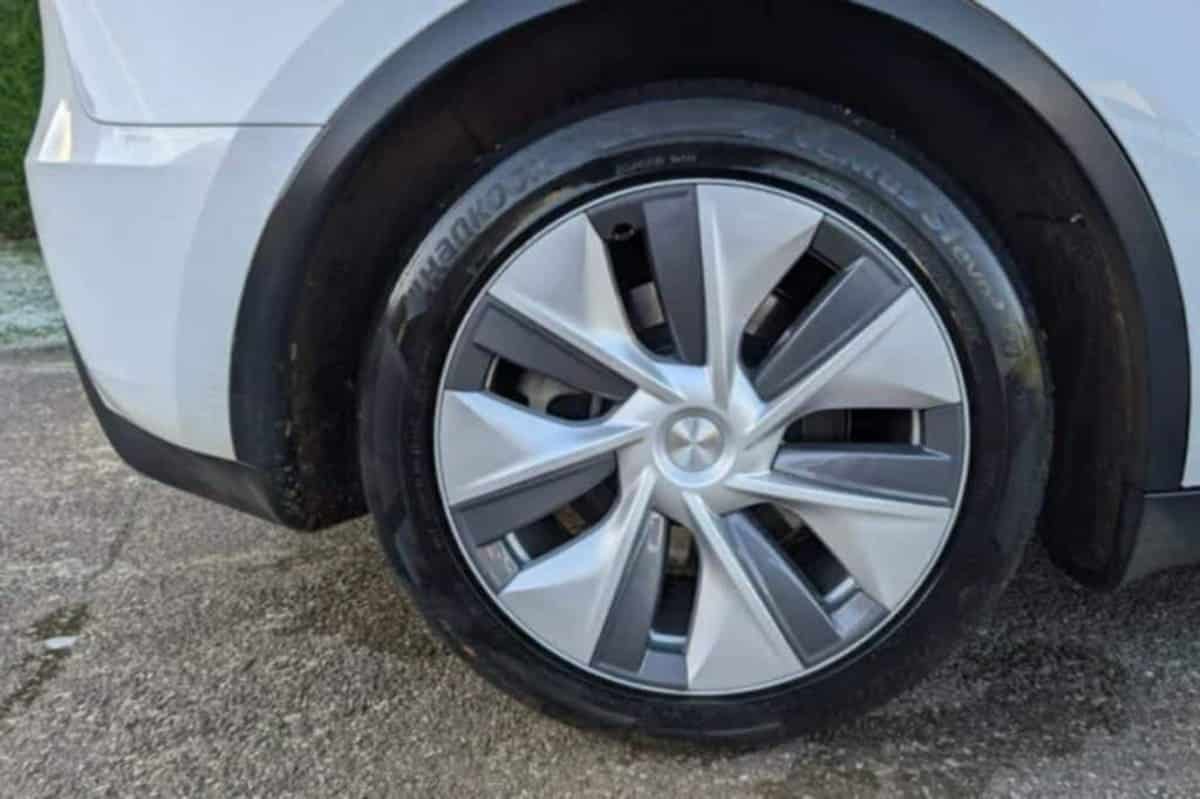
Of course, my year with the Tesla Model Y wasn’t entirely trouble-free. A flat tire reminded me of one of the potential downsides of owning an EV—finding the right parts and service can be more challenging than with traditional vehicles. Tesla offers a mobile tire service, but since I live in a rural area, it wasn’t a viable option. Instead, I turned to a local tire shop, only to find that many didn’t carry Tesla-compatible tires or were reluctant to service EVs.
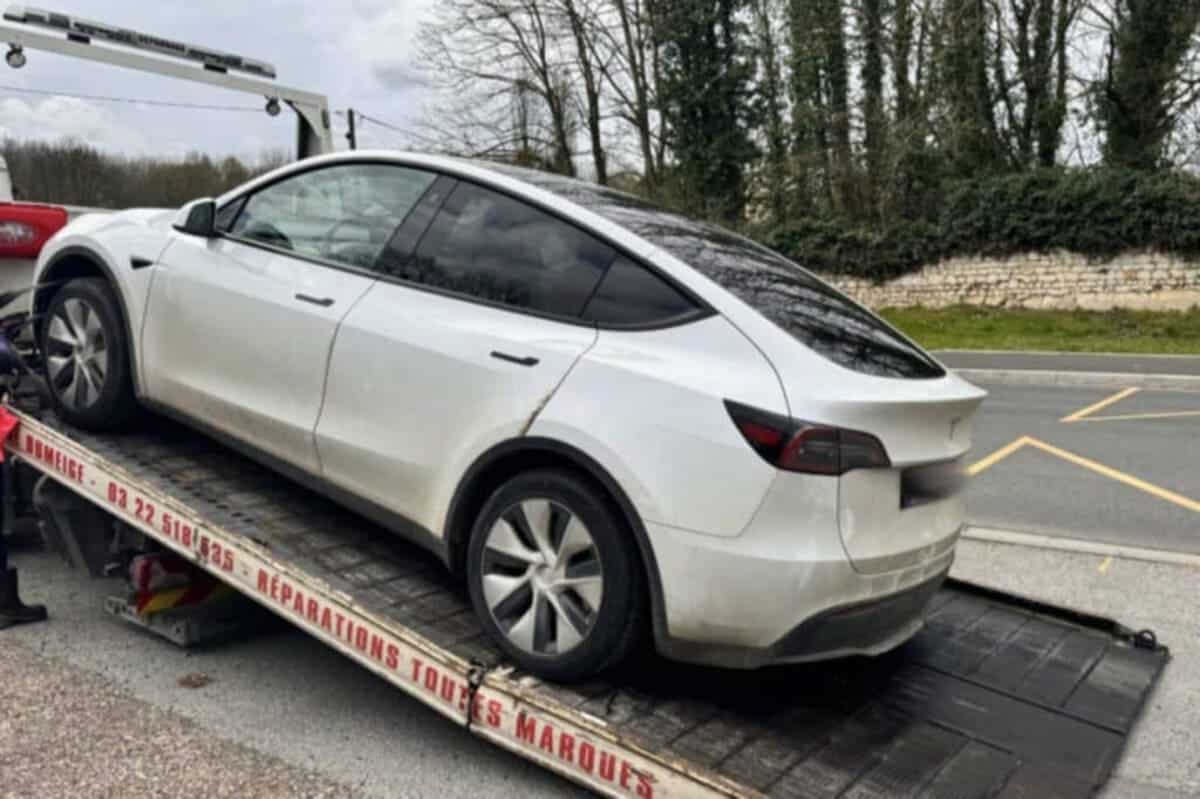
In the end, I found an independent garage that helped me order the correct tire online and installed it for just €25. While it was a bit of an inconvenience, it highlighted the importance of building relationships with reliable local mechanics who can handle EV-specific issues.
One Year In: Would I Go Back to Gas?
After a year with the Tesla Model Y, my answer is simple: no. While the initial investment is higher, the savings on fuel, maintenance, and insurance make it an excellent choice for anyone looking to reduce their long-term transportation costs. The Model Y has met all my needs in terms of practicality, cost-effectiveness, and ease of use.
Even my wife, who was initially skeptical, has become a huge fan. Her Fiat 500e has proven to be perfect for her daily commute, and now she can’t imagine going back to a gas-powered car. If that’s not a ringing endorsement, I’m not sure what is.
So, for anyone considering the switch to an EV, I’d say: if you have access to home charging and drive frequently, the Tesla Model Y could be a great fit. It’s not just a car; it’s a step into the future of transportation.