
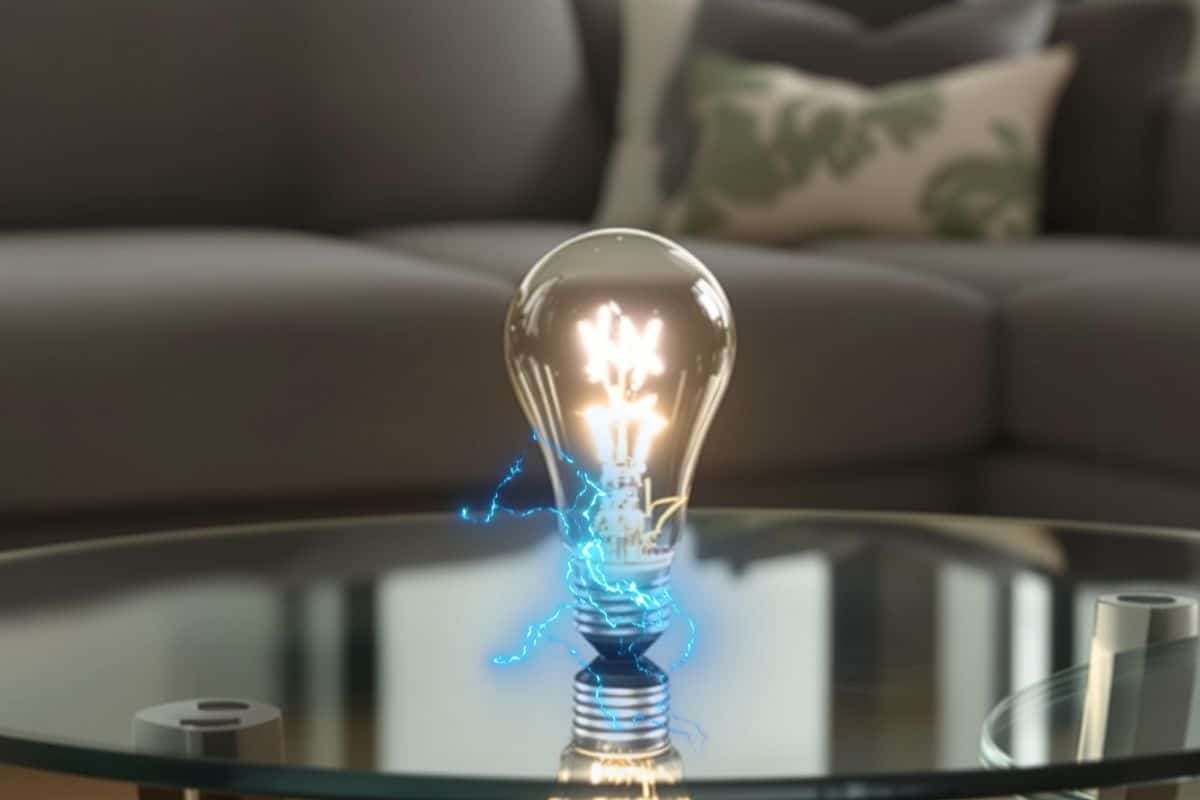
For over a century, electricity has depended on a tangle of wires stretching from power plants to our homes. But after 124 years since the first power plant lit up Manhattan in 1882, the dream of delivering electricity without any physical connection is on the verge of reality. Thanks to remarkable advances in wireless power transmission, we might soon live in homes powered entirely by invisible waves of energy.
Amazon co-founder MacKenzie Scott has donated over $19 billion to charity in just five years
Diamond batteries powered by nuclear waste promise 28,000 years of clean energy
The Vision of Wireless Power Comes to Life
The idea of sending electricity through the air isn’t new. In fact, Nikola Tesla dreamed of it as early as 1901, envisioning a global network that transmitted power wirelessly using the Earth’s ionosphere. Though Tesla’s ambitious plan never materialized—partly due to the limits of technology back then—his vision has inspired generations of engineers.
Fast forward to the 1960s, and real experiments began to take shape. William C. Brown made headlines in 1964 by flying a small helicopter powered solely by microwaves beamed from the ground. Later, in collaboration with NASA, he successfully transmitted 30 kilowatts over 1.6 kilometers with about 50% efficiency. Back then, that was a huge milestone, though not yet practical for everyday use.
Now, thanks to the miniaturization of electronics, advances in laser technology, and growing demands for clean energy solutions, wireless power is poised to break free from the lab and into real-world applications.
Promising Uses and Remaining Challenges
Imagine charging your electric car as you drive down the highway, or powering remote villages without the need for costly electrical infrastructure. Wireless electricity could also keep satellites and drones running indefinitely, and even replace noisy backup generators with sleek receiving antennas.
Startups like EMROD in New Zealand and Reach Power in the U.S. are pushing the envelope with microwave and radio wave transmissions boasting up to 95% efficiency, aiming for nearly 99%. Their systems promise safer, more reliable delivery of power over distances.
However, hurdles remain. Scientists and engineers must tackle issues like:
-
Energy efficiency: Minimizing losses during transmission.
-
Safety: Ensuring no harmful effects on people or wildlife.
-
Range limitations: Some frequencies require large receiving antennas, which can be impractical.
Despite these challenges, the technology is progressing fast.
NASA warns China could slow Earth’s rotation with one simple move
This dog endured 27 hours of labor and gave birth to a record-breaking number of puppies
A Future Closer Than You Think
Unlike many futuristic ideas that linger in the realm of science fiction, wireless electricity is already making practical headway. NASA is seriously invested in it, and companies such as Powercast and Wi-Charge are trialing systems to power smart sensors and retail lighting wirelessly.
Japan is particularly ambitious, with the Japan Aerospace Exploration Agency (JAXA) planning a space-based solar power station capable of delivering 1 gigawatt—comparable to a nuclear plant—back to Earth by 2030.
This could mark the start of a revolution in how we generate and consume energy, freeing us from tangled wires and transforming homes, industries, and entire cities.
I remember my own frustration trying to charge devices in crowded spaces where power outlets are scarce or inconvenient. The idea that soon entire homes might run wirelessly, efficiently, and safely is not just a tech dream anymore—it’s becoming a reality that could reshape our daily lives. With continued research and investment, the era of wired electricity may finally be coming to an end.