
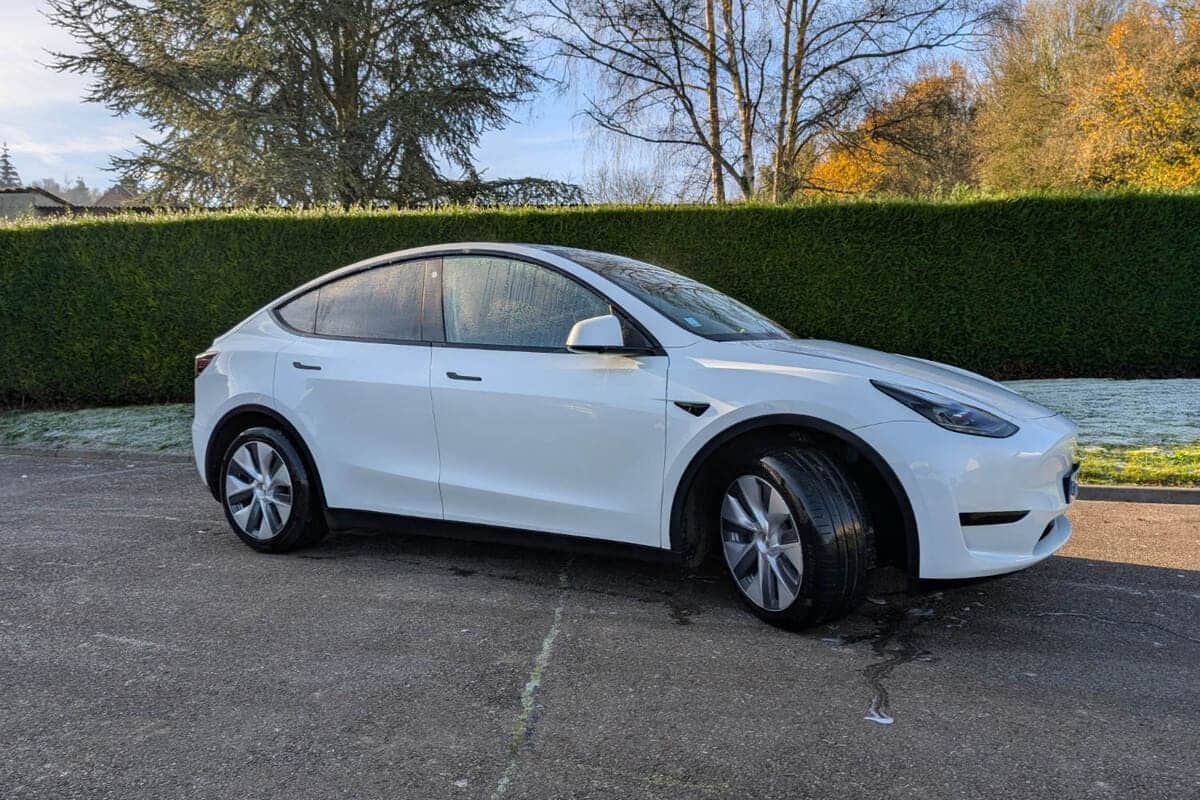
In November 2023, I decided it was time to make the leap—trading in my gas-powered car for an electric one. After much deliberation, I went with the Tesla Model Y, which had become one of the best-selling EVs in France. Now, after a full year behind the wheel, I’ve gathered four key lessons from my experience.
Amazon co-founder MacKenzie Scott has donated over $19 billion to charity in just five years
Diamond batteries powered by nuclear waste promise 28,000 years of clean energy
Lesson #1: EVs Aren’t as Expensive as They Seem
One of the biggest hesitations people have when it comes to electric vehicles is cost. There’s a perception that owning a Tesla is a statement of wealth, but the reality is far more nuanced. Yes, the upfront price is higher than many traditional vehicles, but over time, I’ve found that the savings in other areas more than compensate.
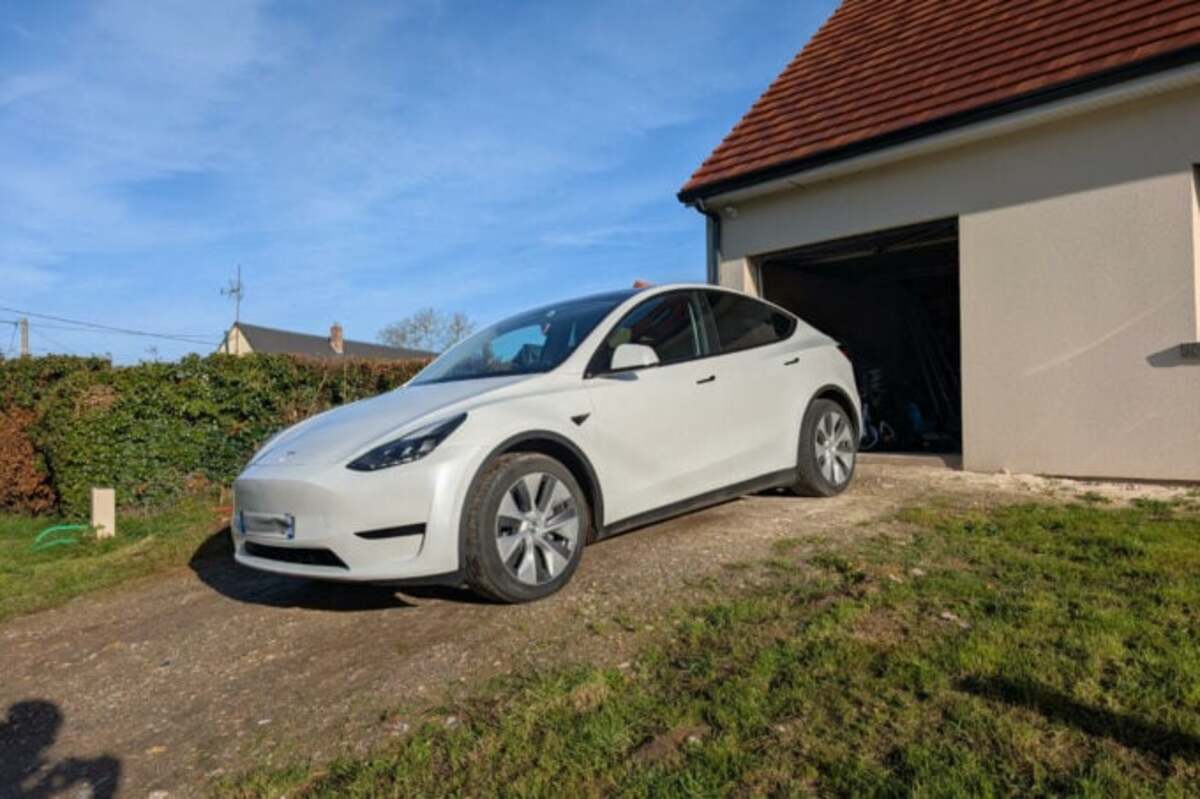
I opted for a long-term lease (LLD), paying €450 per month for my Model Y Standard. While this was higher than the €250 monthly lease for my old gas-powered SUV, the overall running costs have plummeted. Charging the car costs me only €40 per month, and my insurance premium has dropped from €80 to €60 monthly. Maintenance is virtually nonexistent—aside from adding windshield washer fluid.
When I compare this to my old SUV, which cost €250 per month in leasing fees, €400 on gas, €80 on insurance, and an average of €50 monthly for maintenance, my total transport budget has dropped from €780 to €550. And this is for a Tesla with far better features and equipment than my previous car.
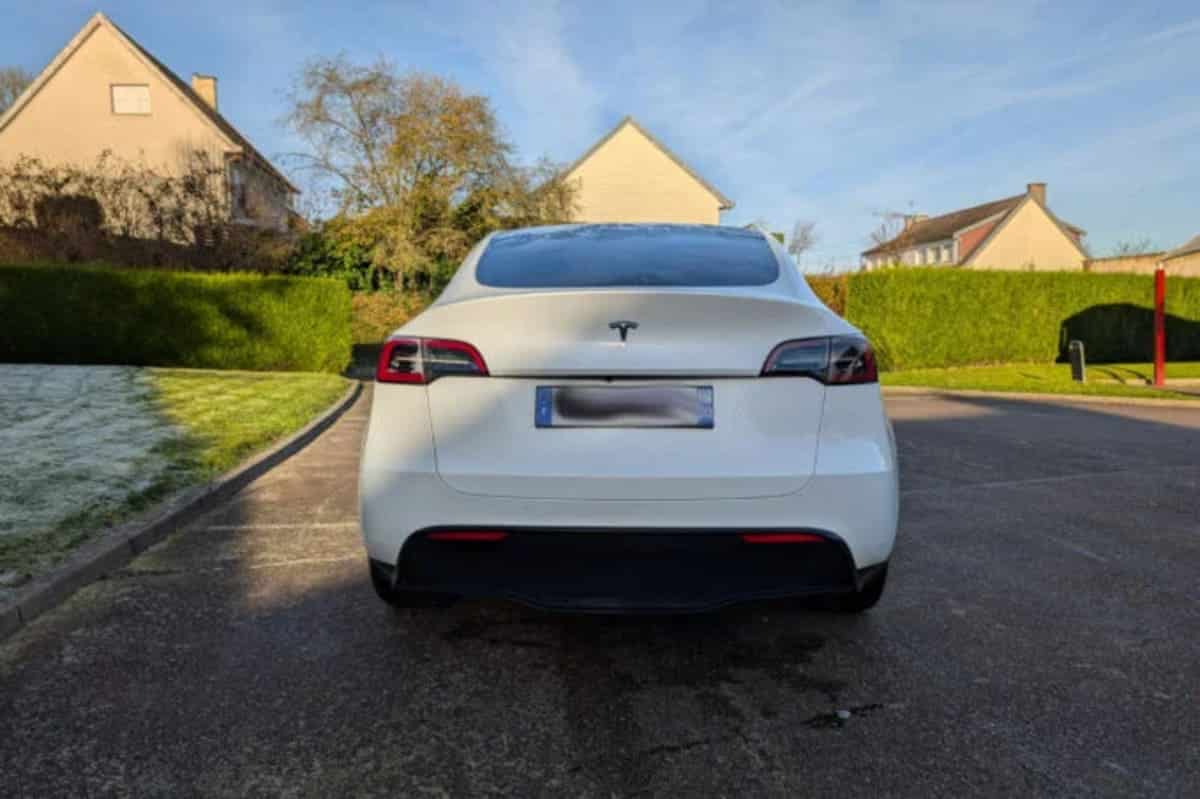
Factoring in my wife’s smaller EV, a Fiat 500e, our combined transport costs now total €850 per month for two vehicles. If we’d chosen to replace our old SUV with two gas-powered cars instead, our monthly expenses would’ve nearly doubled, thanks to rising fuel and maintenance costs.
Lesson #2: Range and Charging Anxiety Are Overblown (But Not for Everyone)
Another common concern about EVs is range and charging availability. On paper, my Model Y Standard boasts a range of 450 kilometers, but in real-world conditions, this varies. For everyday driving on city streets, I get about 400 kilometers. On mixed routes, it drops to 350 kilometers, and highway trips bring it closer to 300 kilometers.
NASA warns China could slow Earth’s rotation with one simple move
This dog endured 27 hours of labor and gave birth to a record-breaking number of puppies
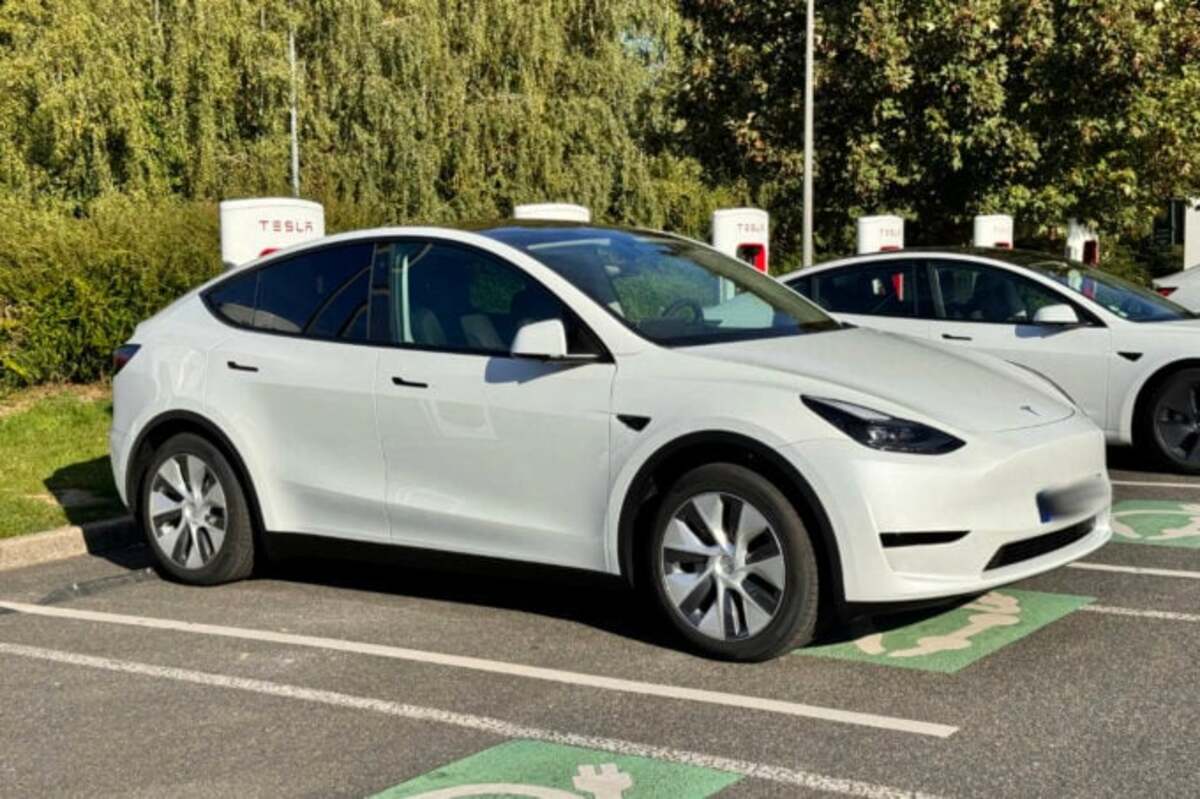
While these figures fall short of what a gas-powered car can achieve, adapting to an electric car wasn’t as difficult as I initially feared. The key is to shift your mindset and driving habits. For example, I started my EV journey in the city, without a dedicated home charger, and relied on public charging stations. A nearby Tesla Supercharger and free chargers at my gym kept me covered.
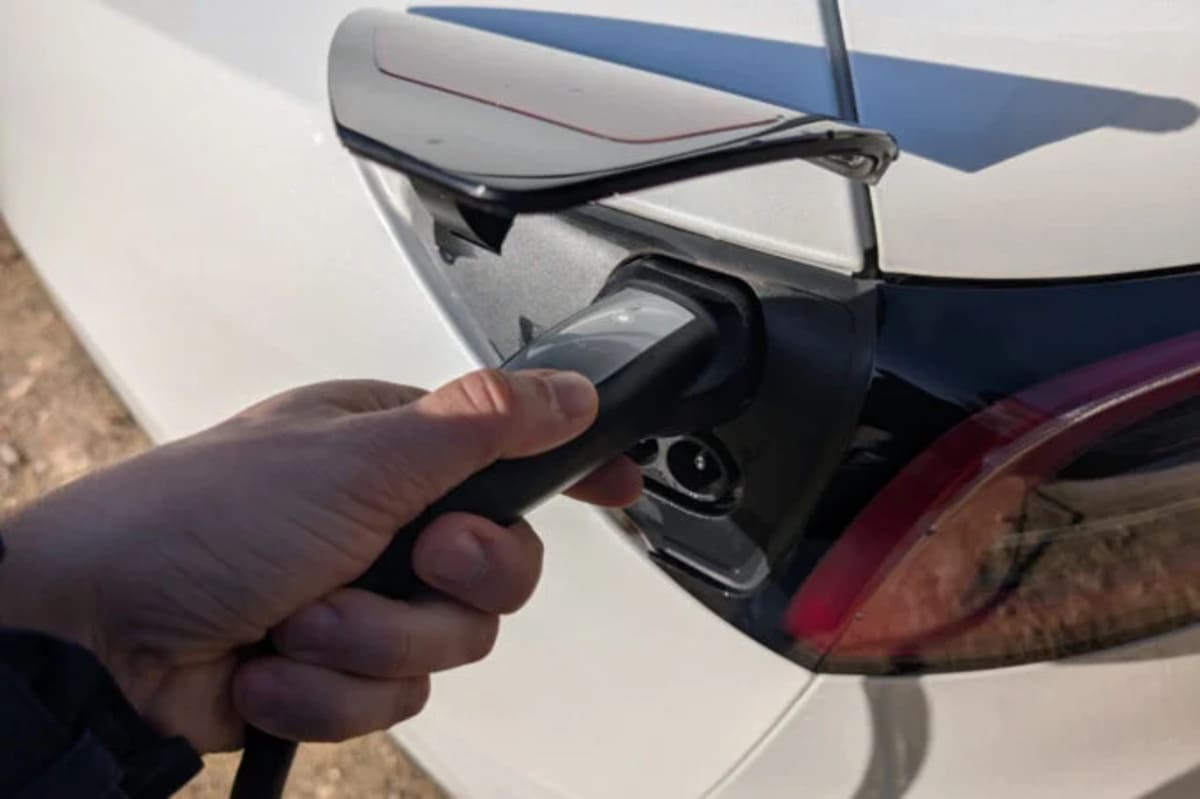
Since moving to a house in the countryside, charging has become even easier. I simply plug the car into a regular outlet overnight, and it’s ready to go the next morning. Installing a dedicated home charger would speed things up, but for now, the regular socket works perfectly for our needs. Over the past year, I’ve driven 30,000 kilometers without a single issue.
However, I recognize that this setup may not work for everyone. Home charging access is essential for a smooth EV experience. Without it, relying solely on public chargers could be inconvenient, especially in areas with limited infrastructure.
Lesson #3: Long Road Trips Are Surprisingly Stress-Free
Before owning a Tesla, I was skeptical about long-distance EV travel. Horror stories about hours-long charging stops and limited range made me cautious. But after several cross-country trips—two north-south and one east-west—I can confidently say these fears are outdated.
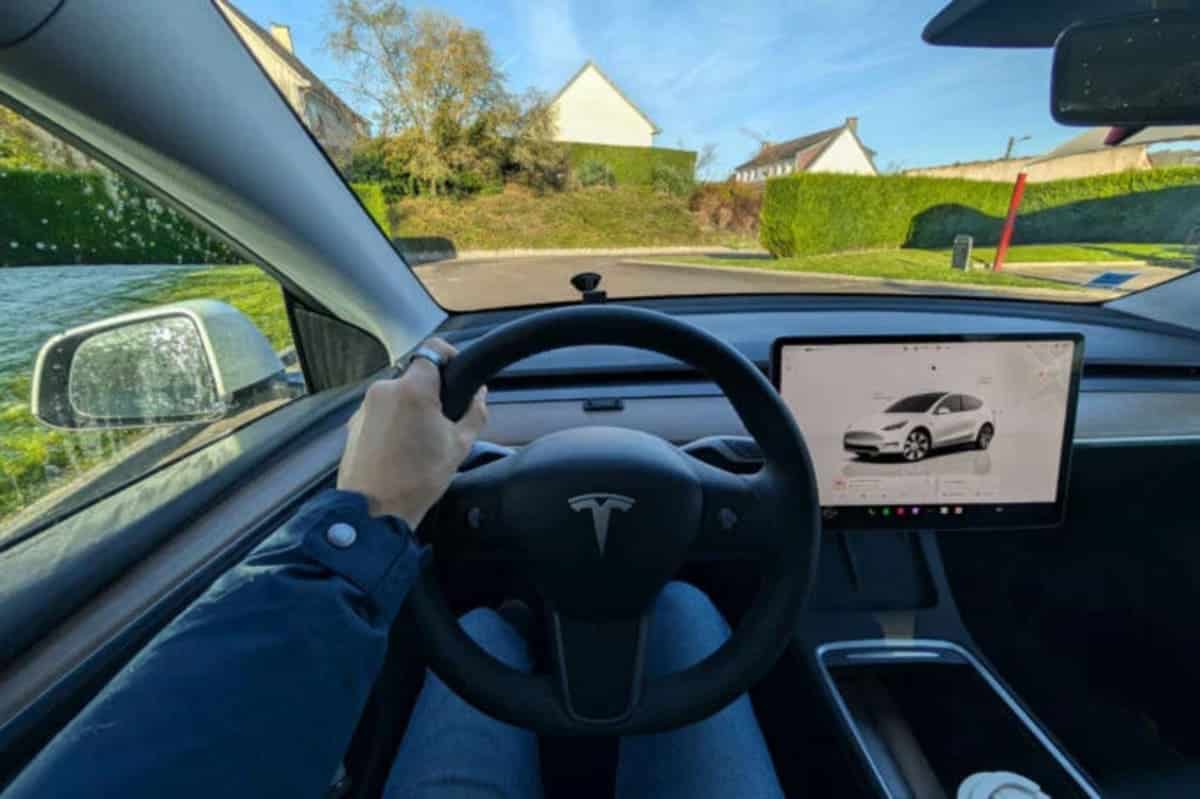
Tesla’s Supercharger network and real-time trip planner have been game changers. The onboard system calculates your route, including charging stops, estimated times, and your remaining battery percentage at each point. Adjustments are made dynamically based on speed, driving habits, and traffic conditions.
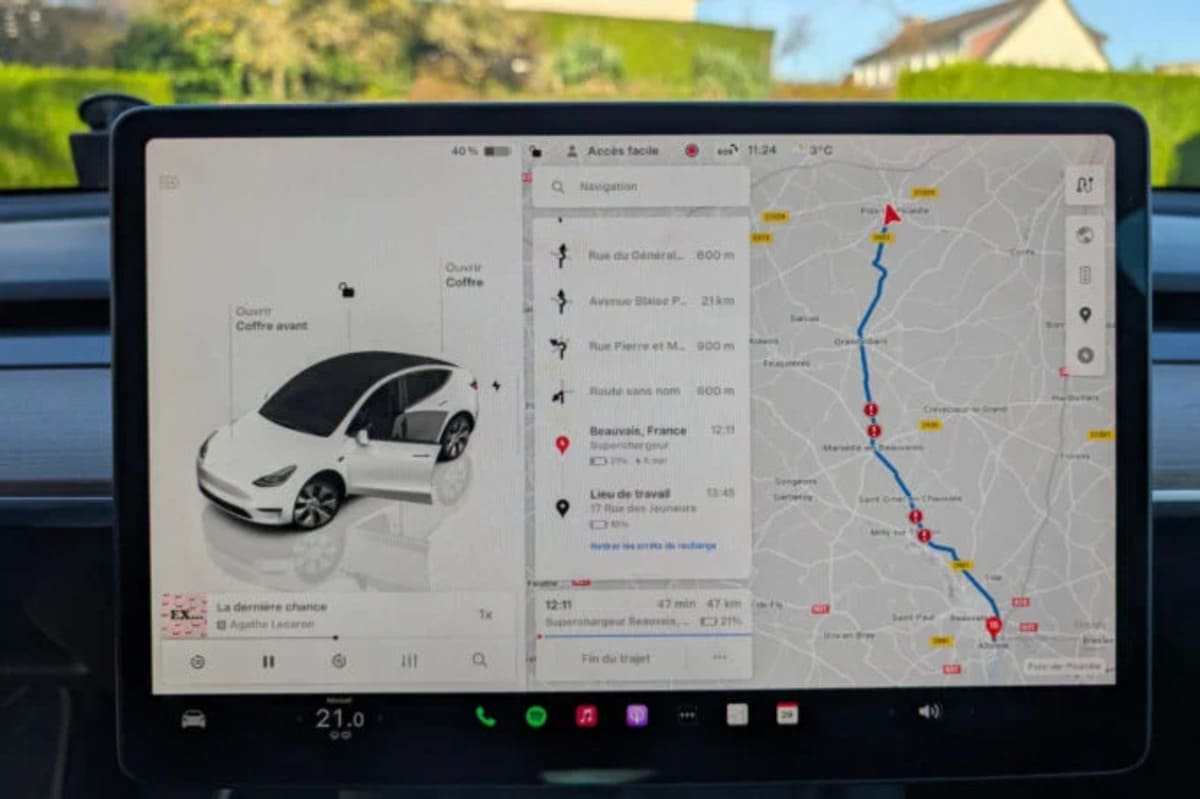
Charging stops are surprisingly quick. Most of my stops have lasted 10 to 15 minutes, which is comparable to refueling a gas car when you factor in paying at the pump. Plus, these breaks align with recommended rest periods for long drives.
One memorable trip from Amiens to Amsterdam highlighted just how efficient the system is. I had three passengers who were staunch skeptics of EVs, convinced we’d be stuck charging for hours. To their surprise, we completed the journey with just one 15-minute charging stop, and by the end of the trip, they were rethinking their opinions on EVs.
Lesson #4: Repairs Can Be a Headache
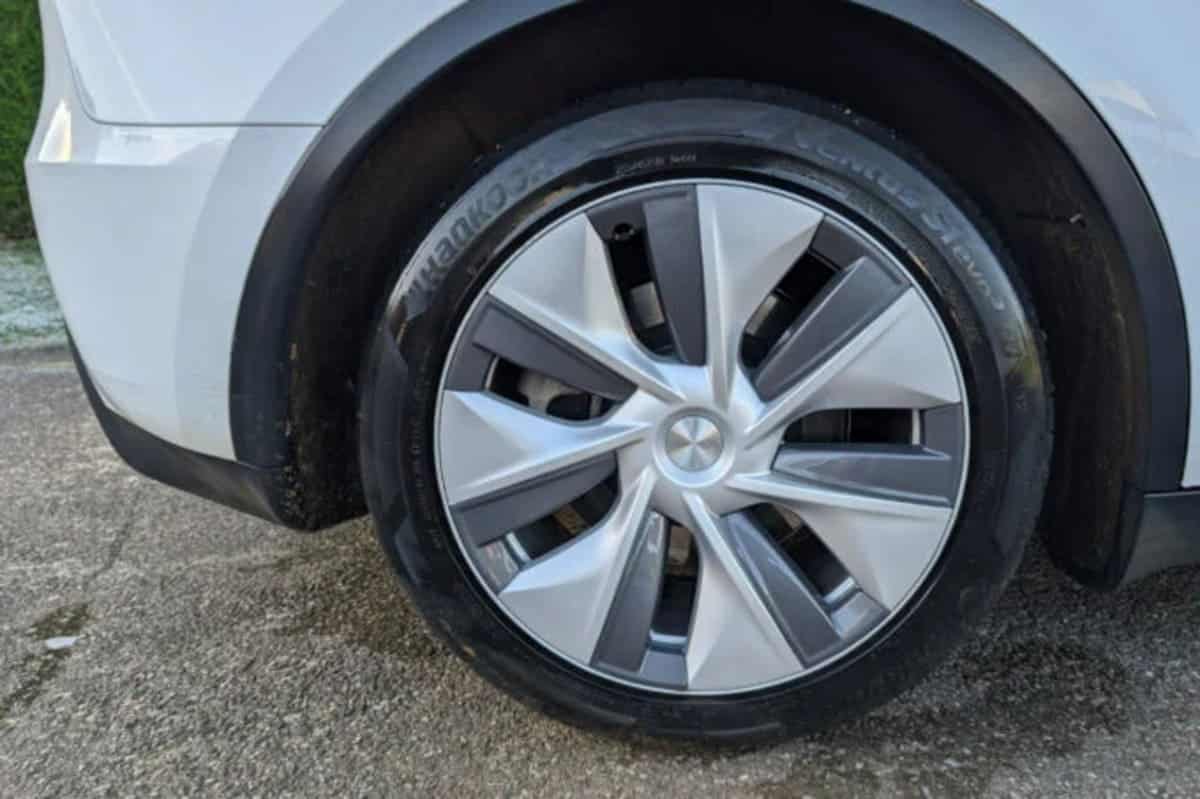
My year with the Model Y hasn’t been entirely trouble-free. A single incident—a flat tire—highlighted some of the challenges of EV ownership. Tesla offers a mobile tire service, but in my rural area, it wasn’t a practical option. Instead, I turned to local tire shops, only to discover that many didn’t stock Tesla-compatible tires or were reluctant to service EVs.
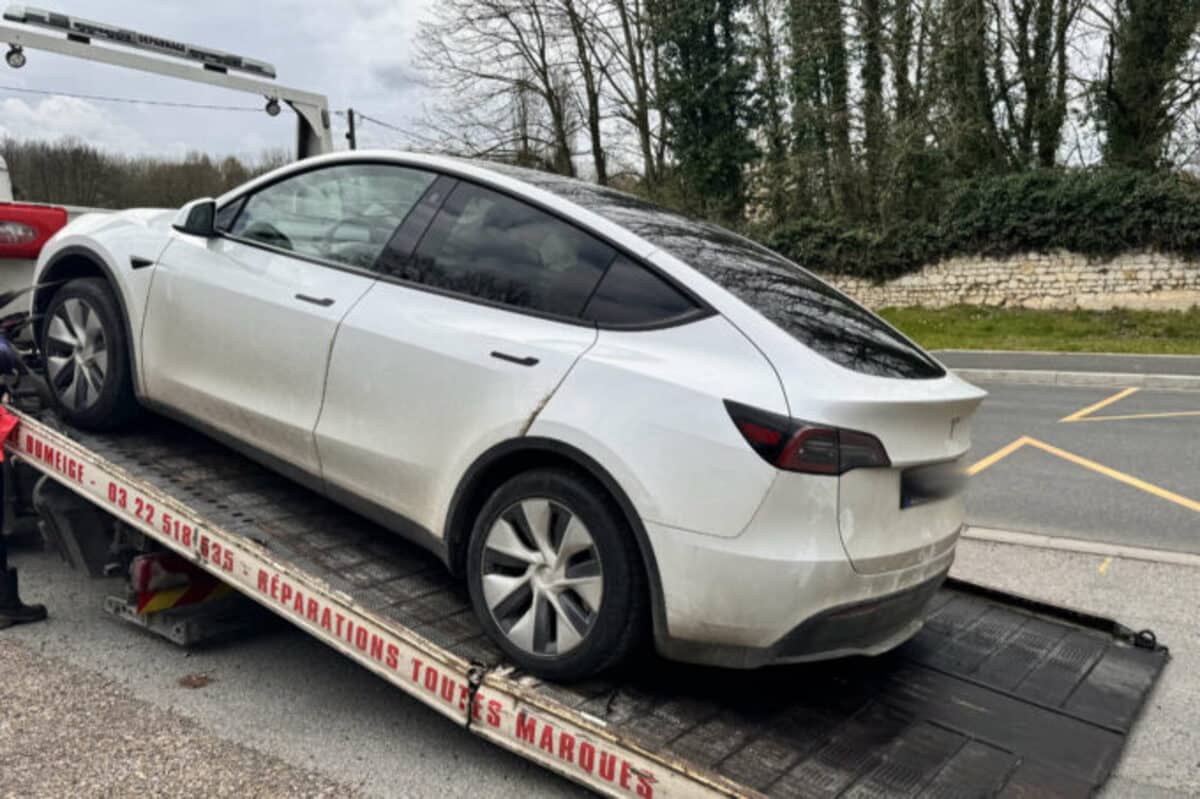
Ultimately, a small, independent garage saved the day. They allowed me to order the correct tire online and handled the installation for just €25. While the process was inconvenient, it reminded me of the importance of building a network of reliable local mechanics for EV maintenance.
One Year In : Would I Go Back to Gas?
In short, no. After a year with the Tesla Model Y, I’m thoroughly convinced that EVs are the way forward. While the initial cost is higher, the long-term savings on energy and maintenance make it a worthwhile investment—especially if you drive frequently.
That said, EV ownership isn’t for everyone. It’s crucial to have access to home or workplace charging and to choose a model suited to your driving needs. For me, the Model Y has delivered on all fronts: practicality, cost-effectiveness, and ease of use.
Even my wife, who was initially skeptical, has become a fan. Her Fiat 500e fits her daily commute perfectly, and she now can’t imagine going back to a gas-powered car. If that’s not a ringing endorsement, I don’t know what is.