
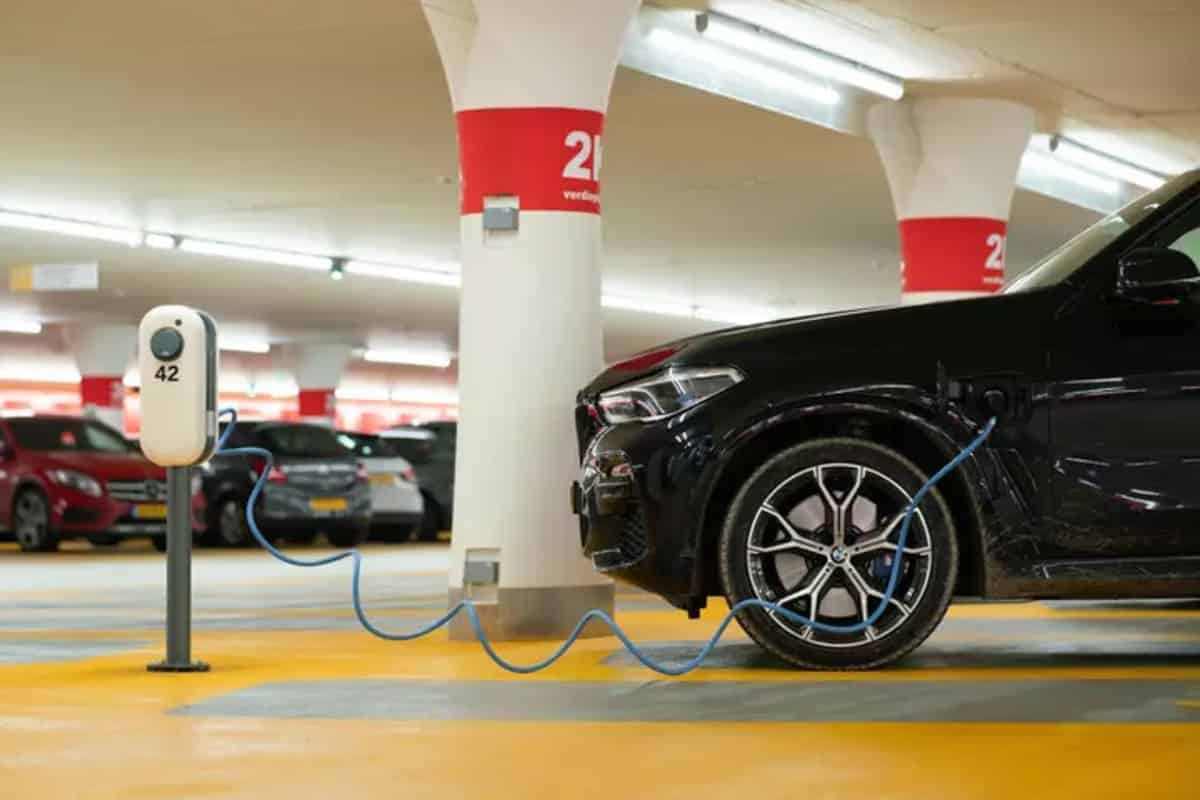
I remember standing in a crowded Paris café back in 2015, listening to colleagues debate the fallout of Dieselgate. The tension was palpable—everyone from taxi drivers to urban planners worried about what lay ahead. Fast-forward a decade, and the world is racing headlong into electrification with equal fervor. Yet influential engineer and essayist Laurent Castaignède warns that our EV frenzy could backfire, triggering an “Electricgate” that does more harm than good. Let’s dive into his concerns, examining the resource constraints, energy realities, and potential pitfalls of a purely electric future.
Amazon co-founder MacKenzie Scott has donated over $19 billion to charity in just five years
Diamond batteries powered by nuclear waste promise 28,000 years of clean energy
Are critical metals the primary barrier to electric car deployment?
According to the International Energy Agency (IEA), battery production must surge nearly 40-fold between 2020 and 2040 to meet booming electric vehicle demand. That translates to electric cars gobbling up half of all metals dedicated to the “clean energy” sector—lithium, cobalt, nickel, manganese, and copper, as well as graphite. I still recall visiting a lithium mine in Chile years ago, the dust billowing like a sandstorm around us. The scale of those open pits felt overwhelming.
Castaignède stresses that while these metals are relatively abundant globally, they exist in low concentrations underground. Extracting them demands vast energy and investment—far beyond what many mining operations currently deliver. If EV makers truly need millions of new tons of these metals, the world faces an uphill battle: scaling extraction, refining, and labor capacity concurrently.
Moreover, these critical metals are unevenly distributed. Today’s oil dependencies have geopolitical wrinkles; imagine replacing them with a “Lithium OPEC” or a “Copper OPEC.” In an era when energy security is top of mind, a handful of countries controlling EV metals could spark fresh geopolitical tensions. Just as OPEC once drove oil prices through the roof, a cartel of battery metals suppliers could do the same—only now, entire supply chains and national decarbonization plans would hang in the balance.

Can our electricity grid support massive EV charging?
It’s easy to hear that France’s power mix is 70 % nuclear and assume every new EV will charge cleanly. But dig deeper, and the story shifts. The power delivered to charge your car is the marginal kilowatt-hour, not the “average kWh” often touted in PR campaigns. According to RTE (Réseau de Transport d’Électricité), France’s grid can only guarantee low-carbon electricity about 30 % of the time—and that share may shrink as demand rises. I recall a winter evening in Montreal when temperatures dropped below –20 °C. Even though Quebecers produce 100 % renewable power, the grid was stretched thin. Homes heated by electric resistance meant that exporting surplus hydro stalled, forcing neighboring regions to burn coal.
Similarly, if French drivers plug in too many EVs without ramping up renewable generation specifically for transport, nearby coal or gas plants might fire up to fill the gap. In other words, those “zero-emission” electric kilometers could indirectly boost greenhouse gas emissions somewhere else. This isn’t theoretical—studies from the International Renewable Energy Agency (IRENA) show that adding EVs without new renewables can tip grids toward dirtier generators during peak demand.
Will EV adoption actually reduce overall greenhouse gas emissions?
Castaignède raises a provocative scenario: imagine 2 billion cars on Earth by 2050—one billion electric and one billion gasoline-powered. If total oil consumption remains constant at, say, 50 million barrels per day, the combustion vehicles could use the same oil more greedily, becoming simply twice as thirsty. The outcome? Overall CO₂ emissions from passenger cars might not budge.
NASA warns China could slow Earth’s rotation with one simple move
This dog endured 27 hours of labor and gave birth to a record-breaking number of puppies
I once drove from Lyon to Milan in a friend’s EV, basking in the satisfaction of zero tailpipe emissions. But on that same trip, I noticed carbon-spewing trucks idling at a rest stop. Even if a handful of city cars go electric, heavy-duty transport and rural regions still rely heavily on diesel. And unless oil demand actually drops, the remaining internal combustion engine fleet might become a smaller yet more wasteful cadre. That “EV solution” magically becomes a shapeshifter—electricity emissions might fall, but transportation’s total carbon footprint could stay stubbornly high.
Is sobriety and reduced consumption the missing piece?
In my college years, I lived car-free in Copenhagen, taking my bike everywhere—even on snowy winter days. It wasn’t a sacrifice; it created a simpler, healthier life. Castaignède argues that sobriety, not just electrification, must play a central role. Without encouraging lighter, more efficient vehicles and fewer kilometers driven, we risk perpetuating “automotive obesity.”
Electric SUVs today weigh as much as small trucks did a decade ago. These massive machines require larger batteries, doubling down on metal extraction. Encouraging a culture of demobility—where we drive less, live closer to work, and rely on public transit—could dramatically slash resource consumption. Policies could limit road speeds for vehicles over 1.5 tonnes or tighten weight-based taxes, nudging manufacturers toward lighter, leaner designs. After all, asking citizens to embrace sobriety feels unfair if neighbors continue cruising in behemoth EVs—a lesson I learned watching city-dwellers swap compact cars for oversized electric pickups.
Why might electrification accelerate vehicle obsolescence?
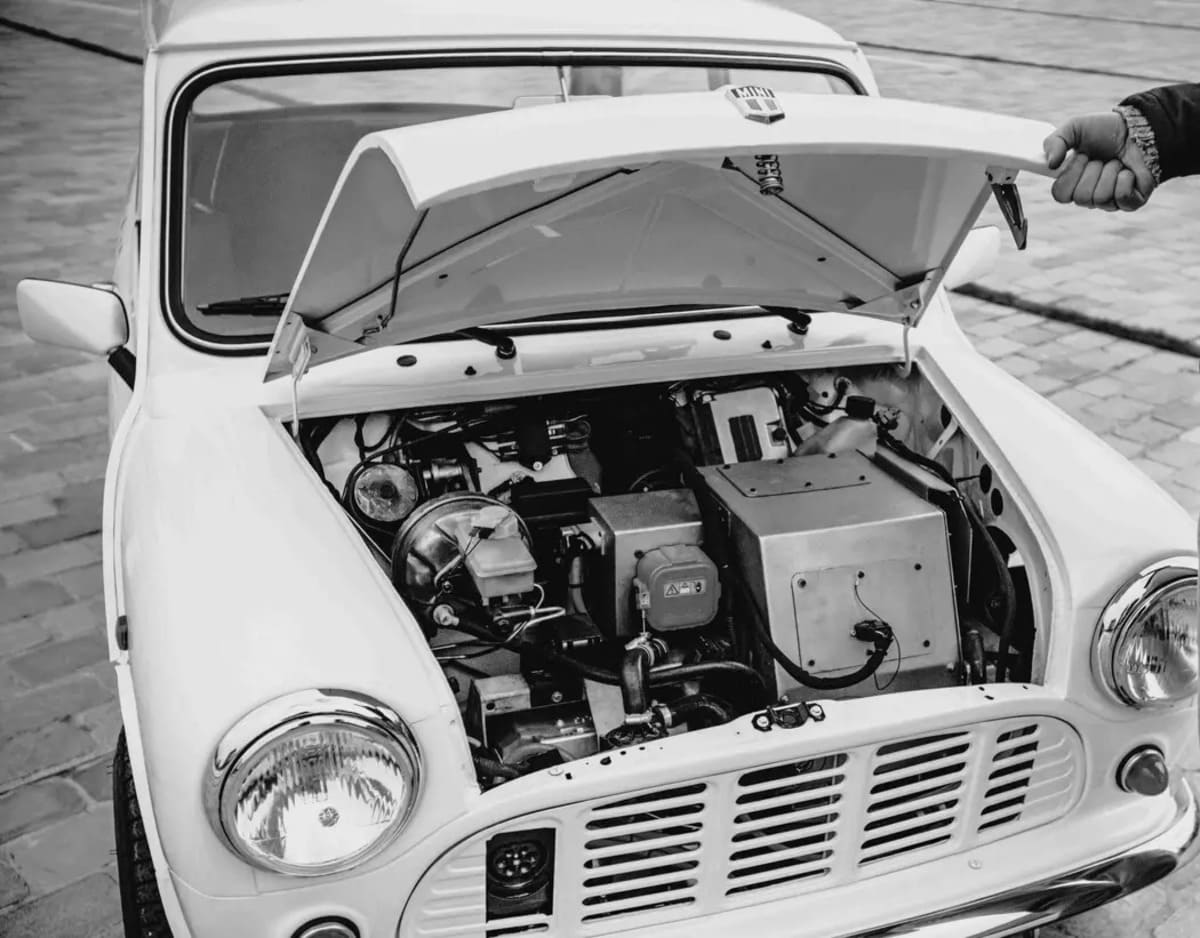
While electric motors themselves are simpler than internal combustion engines, the rapid pace of battery innovation means yesterday’s EV can feel outdated in just a few years. A friend proudly showed me his 2018 electric hatchback, lamenting that its 200 km range now looks miserly compared to the 500 km advertised today. In turn, secondhand EV values can plummet, and repairing a damaged battery often costs more than buying a newer model. As a result, electrification risks turning cars into disposable gadgets rather than durable assets.
Compounding this, automakers lobby governments for cash-for-clunkers programs rather than promoting retrofits, which remain artisanal and expensive. That means a used gasoline car converted to electric is rarely financially viable. The net effect? More cars scrapped, more resource consumption, and a burgeoning electronic waste problem—all while we pat ourselves on the back for being “green.”
Is reducing car numbers and distances the real solution?
In 1973, mobility critic Ivan Illich introduced the concept of “radical monopoly,” describing how private cars govern our lives. Nearly half a century later, we’re still building more highways, expanding parking lots, and urbanizing for cars—now under the guise that EVs will save the planet. But without a shift toward localized living—shorter commutes, robust cycling infrastructure, and efficient public transit—electric cars will merely perpetuate unsustainable habits.
I still fondly recall a weekend in Freiburg, Germany, where I explored the city entirely by bike and tram. It was liberating to navigate traffic-free zones, enjoying cleaner air and calmer streets. That trip convinced me that urban planning geared around people, not cars, can dramatically reduce environmental impact.
Castaignède predicts that before 2035, reality will hit home: EVs alone won’t cut emissions enough, resource extraction will spiral, and transport’s carbon footprint will remain alarming. Unless policymakers and citizens embrace sobriety—lighter vehicles, fewer trips, and smarter cities—we’re hurtling toward an “Electricgate,” a scandal born of misplaced faith in technology over common-sense lifestyle changes. The path to a truly sustainable future must balance temperature reductions, resource limits, and collective choices—not just the switch to a plug.