
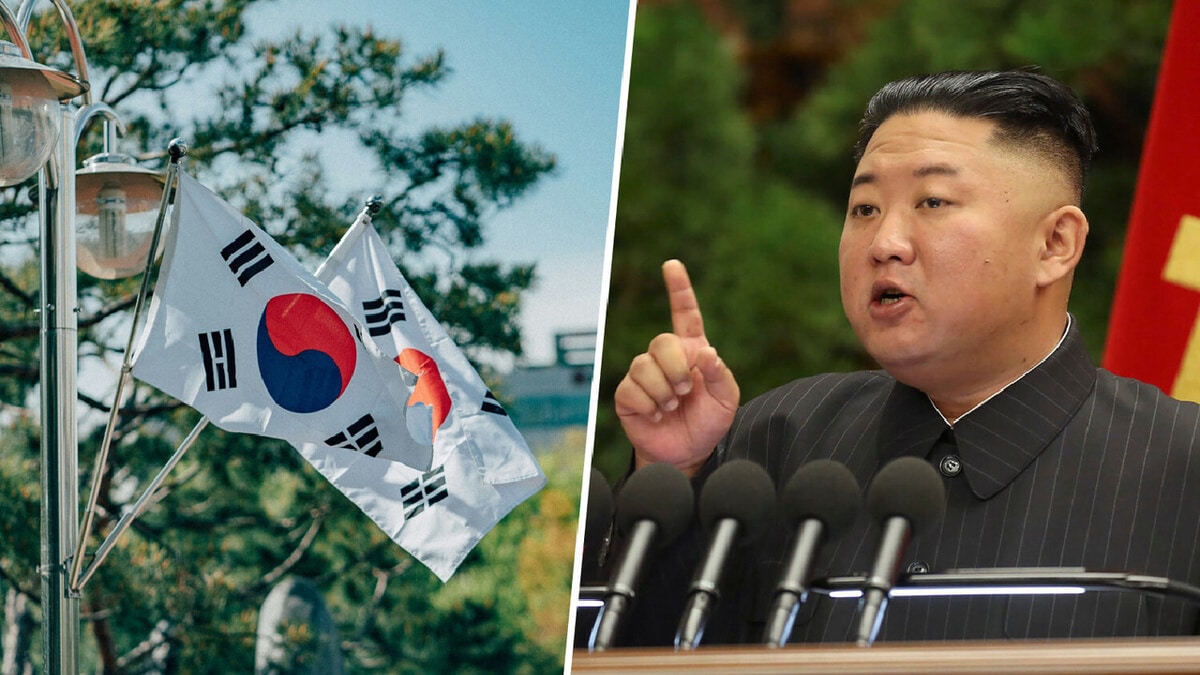
The peace on the Korean Peninsula remains precarious, with tensions continuing to escalate between North and South Korea. After months of North Korea launching trash-filled balloons toward its southern neighbor, Pyongyang has upped the ante by deploying drones carrying political pamphlets. This new tactic has further complicated any efforts to open dialogue and raises the stakes in an already volatile situation.
Amazon co-founder MacKenzie Scott has donated over $19 billion to charity in just five years
Diamond batteries powered by nuclear waste promise 28,000 years of clean energy
Exacerbated Historical Tensions
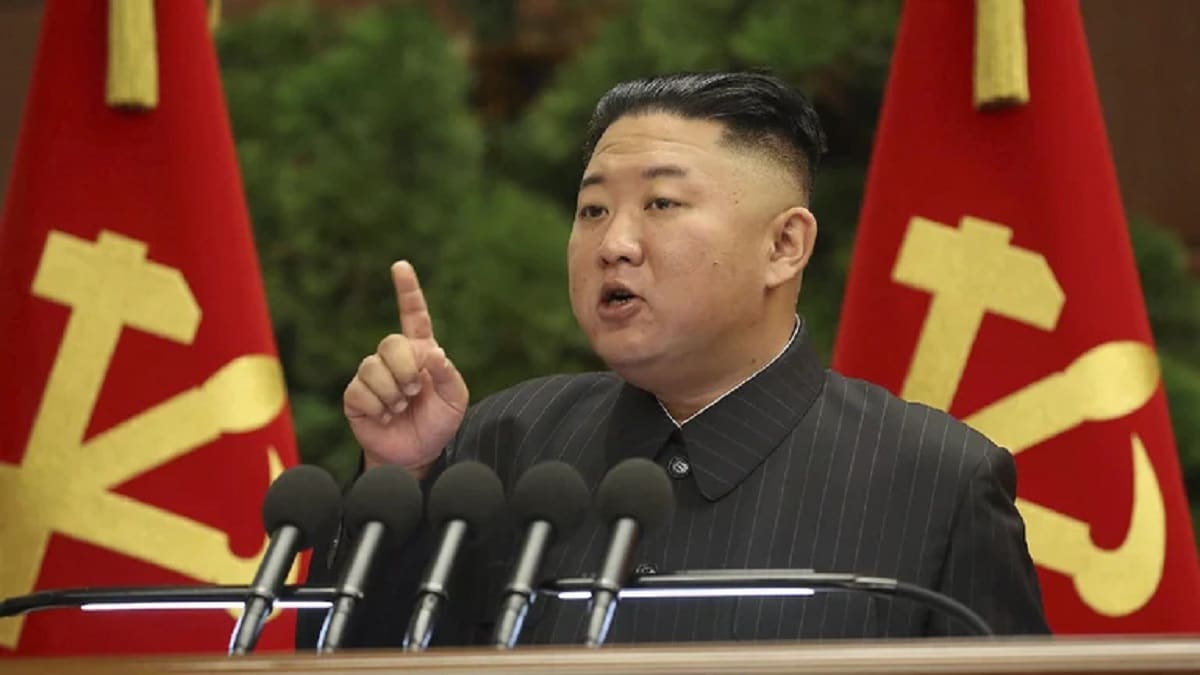
The relationship between North and South Korea has been fraught with animosity since the Korean War ended in 1953. Technically still at war, the Demilitarized Zone (DMZ) stands as a stark reminder of the unresolved conflict between the two nations. Recent remarks from Kim Jong-un, North Korea’s leader, calling Seoul the “principal enemy,” have only deepened the divide. His statement marked a clear escalation in tensions, intensifying what was already a hostile environment.
A colleague of mine, who has family on both sides of the border, once shared how the constant exchange of hostile rhetoric from North Korea creates a pervasive atmosphere of fear and mistrust. Everyday life, for many, feels like navigating a volatile situation where even minor interactions can lead to unexpected tensions.
Drones Over Pyongyang
On October 3rd, North Korea reported spotting a drone flying over Pyongyang, carrying political pamphlets that were critical of the regime. The North’s Ministry of Foreign Affairs accused South Korea of sending the drone, which they described as carrying “incendiary rumors and political waste.” The incident sparked outrage in Pyongyang, leading Kim Yo-jong, Kim Jong-un’s influential sister, to issue a stern warning, threatening “strong retaliation” for any further incursions into North Korean airspace. She went as far as to suggest that such violations would be treated as military acts, signaling a potential shift towards more aggressive defense measures.
In response, South Korea’s Ministry of Defense distanced itself from the incident, suggesting that the drones were the work of South Korean citizens rather than a state-backed operation. This ambiguity only fueled further confusion and mistrust, complicating efforts to establish clear communication between the two sides.
Balloons and Leaflets in Seoul
Since May, the skies over Seoul have been filled with more than 5,500 balloons launched from North Korea. But these aren’t your typical party decorations. These balloons carry a payload of trash, feces, and sometimes even hazardous materials, earning them the nickname “balloons of anger.” The goal behind these launches is not only psychological harassment but also to cause real damage.
I recall one morning during my commute when a balloon exploded near a busy intersection. It was a jarring reminder of how even seemingly harmless objects can carry serious risks. The explosion caused minor property damage, and commuters were left shaken by the uncertainty of what these balloons might bring next. In fact, some have even triggered fires and caused infrastructure damage, raising fears of more dangerous payloads in the future.
NASA warns China could slow Earth’s rotation with one simple move
This dog endured 27 hours of labor and gave birth to a record-breaking number of puppies
In response to these provocations, South Korea has vowed to take decisive military action should a balloon cause fatalities or cross a predetermined line. To counter the balloon threat, South Korea is considering deploying its own drones to intercept and neutralize incoming balloons before they can land, aiming to protect citizens and public infrastructure.
A Mirror Game
This back-and-forth is not one-sided. Over the years, South Korean activists and organizations have launched their own balloons into the North, carrying anti-regime pamphlets, K-pop songs, and even USB drives with digital content aimed at undermining the North Korean government. These balloons, often referred to as acts of psychological warfare, have been met with heavy resistance from Pyongyang, which views them as hostile provocations.
North Korea has not been idle in this war of psychological provocations. The use of drones to surveil or harass Seoul is part of a more advanced strategy. In December 2022, South Korea detected five North Korean drones over its capital, leading to a military response where fighter jets were scrambled to intercept them. These incidents highlight the growing complexity of the conflict, as both sides increasingly rely on modern technology to advance their agendas.
This exchange of psychological and technological tactics underscores the growing tension between the two nations. Even road sabotage efforts, like North Korea’s destruction of key infrastructure, signal the complete severance of communication channels that once provided a glimmer of hope for dialogue.
Final Thoughts
The ongoing exchange of balloons and drones between North and South Korea reveals a deeper, unresolved conflict that goes beyond territorial disputes. It is a struggle for ideological dominance and psychological supremacy, where both sides leverage every tool at their disposal.
The United Nations and other international organizations have long advocated for peaceful negotiations to prevent further escalation. However, with each new provocation, the path to peace seems more and more elusive. As the world watches, it serves as a stark reminder of the fragile nature of international relations and the power of unresolved historical tensions. The hope remains that cooler heads will prevail, and a diplomatic resolution can be found amidst the ongoing turmoil. Until then, the skies over the Korean Peninsula remain anything but peaceful.