
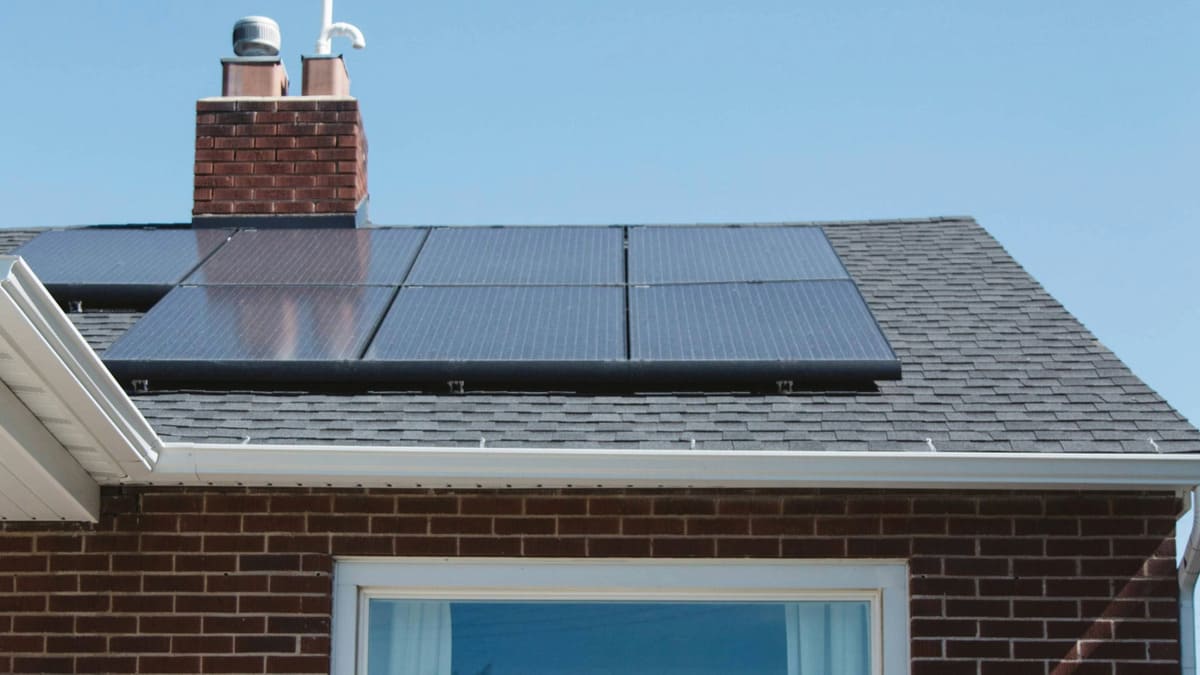
Australia is widely regarded as a global leader in renewable energy, especially in the realm of solar power. However, the country’s rapid adoption of rooftop solar panels has led to an unexpected problem: it’s producing so much solar energy that it’s causing significant strain on the power grid.
Amazon co-founder MacKenzie Scott has donated over $19 billion to charity in just five years
Diamond batteries powered by nuclear waste promise 28,000 years of clean energy
Too Much Green Energy?
On October 3, Australia encountered a challenge like no other, as the Australian Energy Market Operator (AEMO) reported dangerously low electricity demand. It wasn’t due to less energy consumption but rather a surge in solar power production. In Victoria, one of Australia’s wealthiest states, solar output reached record highs, overwhelming the grid’s ability to balance supply and demand.
Victoria’s electricity system is designed to handle varying demand, ranging from 1,865 to 10,000 megawatts. On a typical day, demand hovers around 5,000 megawatts, but on that particular sunny Saturday, demand plunged to a historic low of 1,352 megawatts. The imbalance placed enormous pressure on the grid’s stability, highlighting the difficulties of integrating renewable energy into a traditional power system.
Emergency Measures to Stabilize the Grid
To prevent significant disruptions, AEMO was forced to implement emergency measures. These included temporarily disconnecting some solar panels, reactivating dormant power transmission lines, and requesting households with battery storage systems to keep them empty, in order to absorb the excess solar energy. This approach was a short-term fix, but it highlighted a growing issue: managing an energy grid that is increasingly dominated by renewable sources.
While solar power now accounts for more than 20 gigawatts of Australia’s energy capacity, its intermittent nature means it can fluctuate drastically based on weather conditions. The result? The country’s energy grid often struggles to balance production and consumption in real-time, creating vulnerabilities in grid stability.
The Challenge of Energy Storage
One of the biggest obstacles in this transition to renewable energy is the lack of large-scale energy storage solutions. Unlike traditional fossil-fuel plants, which provide a consistent power output, solar and other renewable sources are far more unpredictable. When solar production exceeds demand, much of the excess energy is wasted, as there is no place to store it for future use.
This issue isn’t unique to Australia. In places like California, grids are also grappling with overproduction during peak solar hours. These growing pains underscore the urgent need for innovative energy storage solutions and smarter grid management systems that can better handle fluctuations in renewable energy production.
A Problem That’s Here to Stay
Australia’s reliance on solar energy is only expected to grow, with nearly one-third of households already equipped with rooftop solar panels. As the number of solar systems continues to increase, the risk of overproduction on sunny days will only become more pronounced. Weekends, when energy demand naturally dips, are especially vulnerable to these imbalances.
NASA warns China could slow Earth’s rotation with one simple move
This dog endured 27 hours of labor and gave birth to a record-breaking number of puppies
To prevent future crises, Australia must make substantial investments in technologies like large-scale battery systems, enhanced energy distribution networks, and policies that encourage grid-friendly solar installations. Some countries have already begun addressing these challenges, offering valuable lessons that Australia could learn from to ease the transition to a renewable-powered future.
The Path Forward
While Australia’s solar boom is a testament to the potential of renewable energy, it also serves as a reminder of the complexities involved in overhauling an entire energy system. Without significant investments in infrastructure and policy, the very technology meant to reduce carbon emissions could create new problems for the country.
The path forward for Australia is clear: the nation must prioritize the development of resilient, flexible energy systems that can harness the full potential of solar power without compromising grid stability. With the right innovations and foresight, Australia can continue to lead the charge in renewable energy, avoiding the pitfalls that come with rapid technological progress.