

When it comes to the future of energy, most people immediately think of solar power, wind farms, or even the promise of nuclear fusion. However, Microsoft co-founder Bill Gates has his eyes set on something quite different—Natrium, an innovative nuclear reactor technology that he believes could revolutionize the way the world generates electricity. According to Gates, this cutting-edge technology is the key to solving the world’s energy needs in a cleaner, safer, and more affordable way.
Amazon co-founder MacKenzie Scott has donated over $19 billion to charity in just five years
Diamond batteries powered by nuclear waste promise 28,000 years of clean energy
What Makes Natrium Different?
Natrium isn’t your traditional nuclear reactor. Unlike conventional plants that rely on water to cool reactors, Natrium uses liquid sodium, a choice that offers several advantages:
-
Increased efficiency: Sodium can absorb up to eight times more heat than water, meaning it has the potential to produce more energy with the same amount of input.
-
Abundant and cost-effective: Sodium is one of the most abundant elements on Earth, making it an affordable option for energy production. It’s found in large quantities, comprising about 2.6% of the Earth’s crust.
-
Enhanced safety: One of the primary concerns with traditional nuclear reactors is the risk of radioactive leaks. Liquid sodium minimizes these risks, offering a safer alternative for nuclear power.
-
Energy storage capability: Natrium also integrates a molten salt storage system that can store excess energy for hours, ensuring a consistent and reliable energy supply even when intermittent sources like wind and solar are not producing power.
This combination of efficiency, affordability, safety, and energy storage makes Natrium an exciting alternative to conventional energy sources.
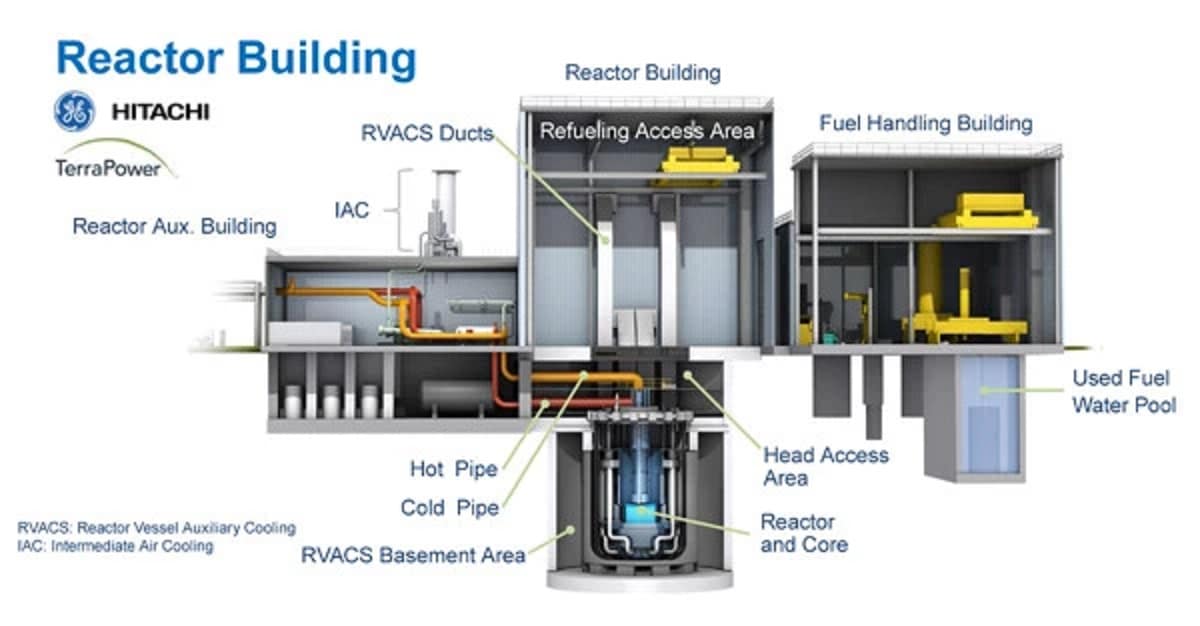
The First Natrium Power Plant is Under Construction
The first Natrium power plant is under construction in Wyoming, with plans for it to be operational by 2030. The plant will have a capacity of 345 megawatts, which is expected to provide electricity to around 400,000 households. The company behind the project, TerraPower, founded by Bill Gates, is aiming to expand this technology further, with plans for reactors capable of generating 500 megawatts over longer periods.
This marks a significant step forward for clean nuclear energy, and if successful, Natrium could transform the energy landscape.
Clean, Safe, and Cost-Effective Nuclear Energy?
The economic advantages of Natrium are just as compelling as its technological innovations. Traditional nuclear reactors in the U.S. can cost upwards of $25 billion to build, making them financially daunting. In contrast, a Natrium reactor is projected to cost just $1 billion due to its simpler design and the lower pressures at which liquid sodium operates.
Gates has described Natrium as “the most advanced nuclear energy in the world,” pointing to its potential to address the historical cost and safety concerns that have held nuclear energy back. He hopes that by overcoming these obstacles, Natrium can change public perception of nuclear power and play a key role in creating a cleaner, more sustainable energy future.
NASA warns China could slow Earth’s rotation with one simple move
This dog endured 27 hours of labor and gave birth to a record-breaking number of puppies
Challenges on the Road to Adoption
While Natrium holds incredible promise, its road to widespread adoption is not without challenges. The construction of the first plant is a major milestone, but proving the technology’s long-term viability and reliability will require extensive testing and monitoring. One of the toughest hurdles to overcome is public skepticism. Previous nuclear disasters like Chernobyl and Fukushima have left lasting scars, creating deep-rooted fears about the safety of nuclear energy.
TerraPower and its partners will need to effectively communicate the enhanced safety features of Natrium and engage with local communities, environmental organizations, and other stakeholders to build trust. Transparency and education will be key to overcoming the lingering doubts about nuclear power.
Could Natrium Be a Game-Changer?
If Natrium meets its expectations, it has the potential to revolutionize the nuclear industry. By offering a cleaner, safer, and more affordable alternative to conventional reactors, this technology could play a critical role in reducing global reliance on fossil fuels and combating climate change.
The success of Natrium would not only validate Gates’s bold investment but could also mark a turning point in how we think about energy production. For now, all eyes are on Wyoming, where the first steps toward a new era in nuclear energy may just be unfolding. If this innovation proves successful, it could pave the way for a future where nuclear power plays a significant part in meeting global energy needs—safely, sustainably, and affordably.