
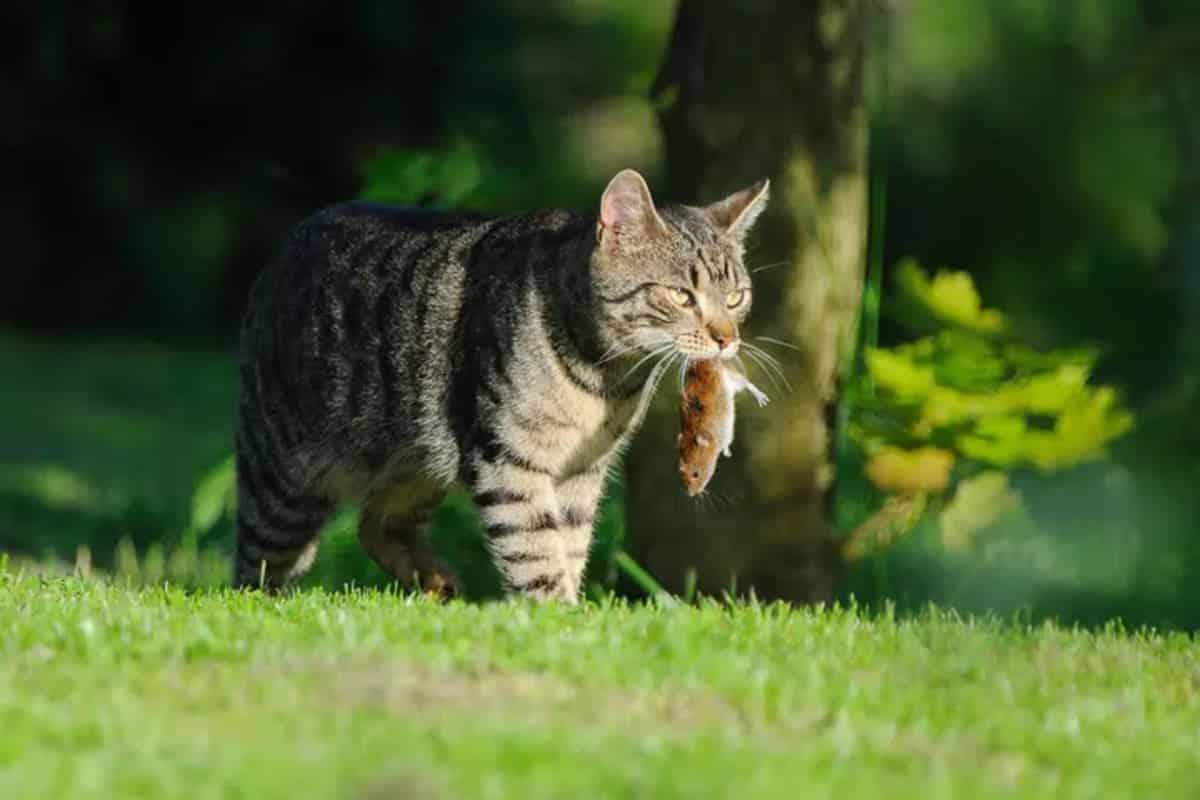
Few animals charm us as effortlessly as cats. With their soft purrs, quirky behaviors, and social media stardom, they’ve secured their place on our sofas — and in our hearts. But behind those innocent eyes may lie a paradox. Can you truly call yourself a nature lover while owning a pet that might decimate the very creatures you’re trying to protect? This question hit home for me one spring morning, after spotting my cat proudly carrying a dead robin across the garden.
Amazon co-founder MacKenzie Scott has donated over $19 billion to charity in just five years
Diamond batteries powered by nuclear waste promise 28,000 years of clean energy
The Day a Kitten Moved In
It started, as it often does, with a friend’s litter of kittens. “They’re adorable,” my kids insisted, eyes wide, voices pleading. The smallest one — a gray tabby with silver eyes — won the vote without even meowing. I protested weakly, citing allergies, responsibilities, the local wildlife. But let’s be honest: I never stood a chance.
We brought her home with the classic family pact: “She’ll be cuddly. She won’t hunt. We’ll take care of everything.” I knew better, of course. Cats have a way of rewriting the rules. It wasn’t long before she began prowling the backyard, stalking through the shrubs like a miniature lioness. Unlike her internet-famous cousins curled up in sunbeams, ours was all stealth and instinct.
A Bond Forged 10,000 Years Ago
Our relationship with cats dates back nearly 10,000 years, to the Fertile Crescent — that cradle of agriculture between the Nile and the Tigris. As humans settled into villages, they unintentionally created a buffet for rodents. Wildcats — particularly Felis lybica, the African wildcat — moved in. It was a mutualistic relationship: we provided the grain, they handled the vermin.
And here we are, millennia later, still cohabiting. But in modern suburban life, I’m not storing sacks of barley. I don’t need a mouser. So why is there a black-and-white cat sunning itself on my neighbor’s compost bin? Why is the ginger tom from two houses down lurking near my bird feeder?
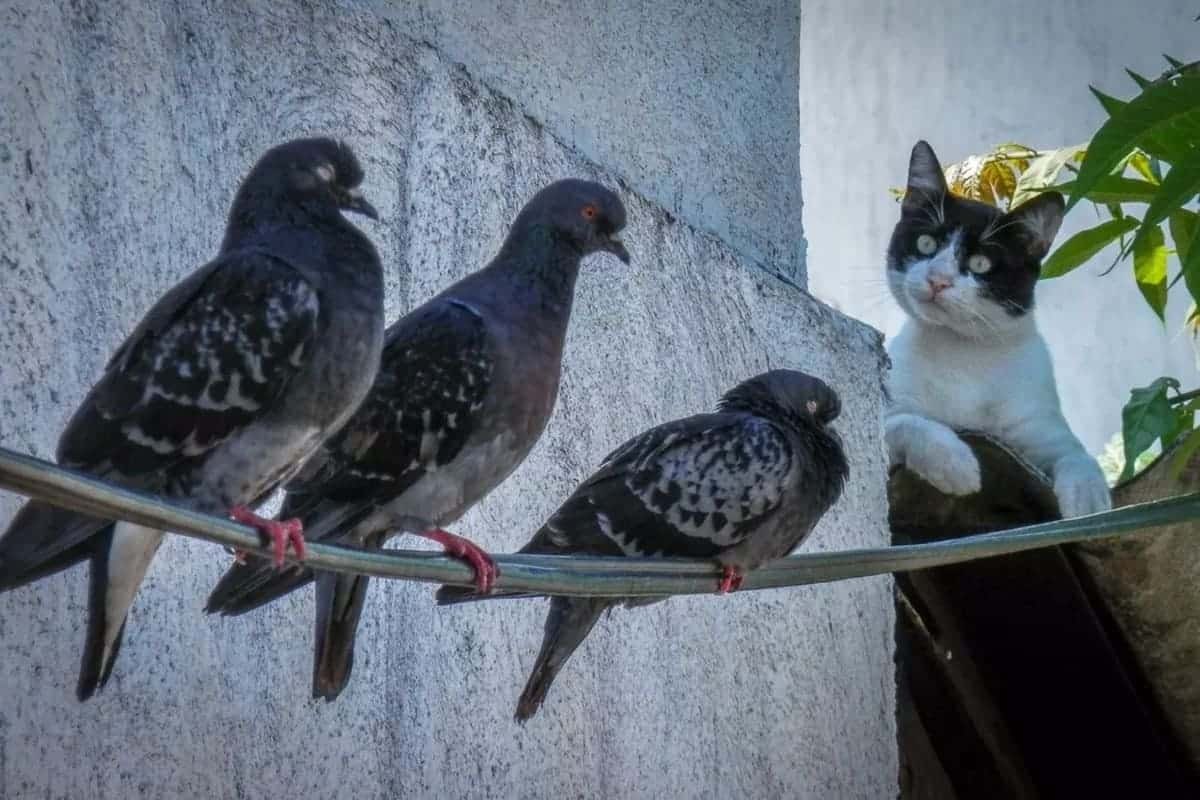
Sofa Saints, Garden Predators
Today’s cats have traded shrines for scratch posts, but their hunting instincts remain sharp. While they may appear to spend their days napping on window sills, they’re always ready to pounce. I once caught mine mid-leap toward a slow-moving lizard. I clapped, hoping to startle her. She blinked at me lazily and resumed her stalk ten minutes later.
This duality — snuggly pet indoors, efficient predator outdoors — is uncomfortable. According to the Smithsonian and the American Bird Conservancy, free-roaming domestic cats kill billions of birds and small mammals each year in the U.S. alone. And this predation adds pressure to already vulnerable species, especially in rural or semi-wild areas where small wildlife seeks refuge in hedgerows and gardens.
NASA warns China could slow Earth’s rotation with one simple move
This dog endured 27 hours of labor and gave birth to a record-breaking number of puppies
Carnivores on a Grand Scale
It’s not just what cats kill, but what they eat. If cats and dogs were their own country, they’d be the fifth-largest meat consumer globally, according to a 2017 study from UCLA. The environmental toll of producing pet food — much of it made from beef, chicken, and fish — is staggering. And that’s without even factoring in the ethical dilemma: should we prioritize a domesticated species’ diet over wild ecosystems?
In conservation circles, I often hear a familiar defense: “But cats are part of nature too.” Maybe. But when you consider their numbers — in France alone, there’s reportedly one lynx for every 150,000 domestic cats — you realize just how unbalanced things have become. Switzerland? One wildcat for every 2,000 pets.

Rethinking the Feline Relationship
Let me be clear: I don’t blame cats. They’re simply following their instincts. The real issue lies in our choices and our reluctance to accept that affection for pets can coexist with critical reflection. Why does society rally to protect a backyard chicken from a weasel, but not a shrew from a domestic tabby?
There’s no easy solution. Some advocate for keeping cats indoors, or fitting them with bells and “bird-safe” collars. Others call for fewer cats, period. What’s clear is that biodiversity is in crisis, and we can’t afford to ignore the role our beloved pets play in that decline.
Personally, I’m trying to strike a balance. Our cat is now supervised in the garden. We’ve added more native shrubs, removed feeders from low branches, and yes — I still occasionally clap my hands to interrupt her hunts. It’s not perfect. But perhaps it’s a step toward reconciling my love for birdsong with that persistent purring by the fire.