
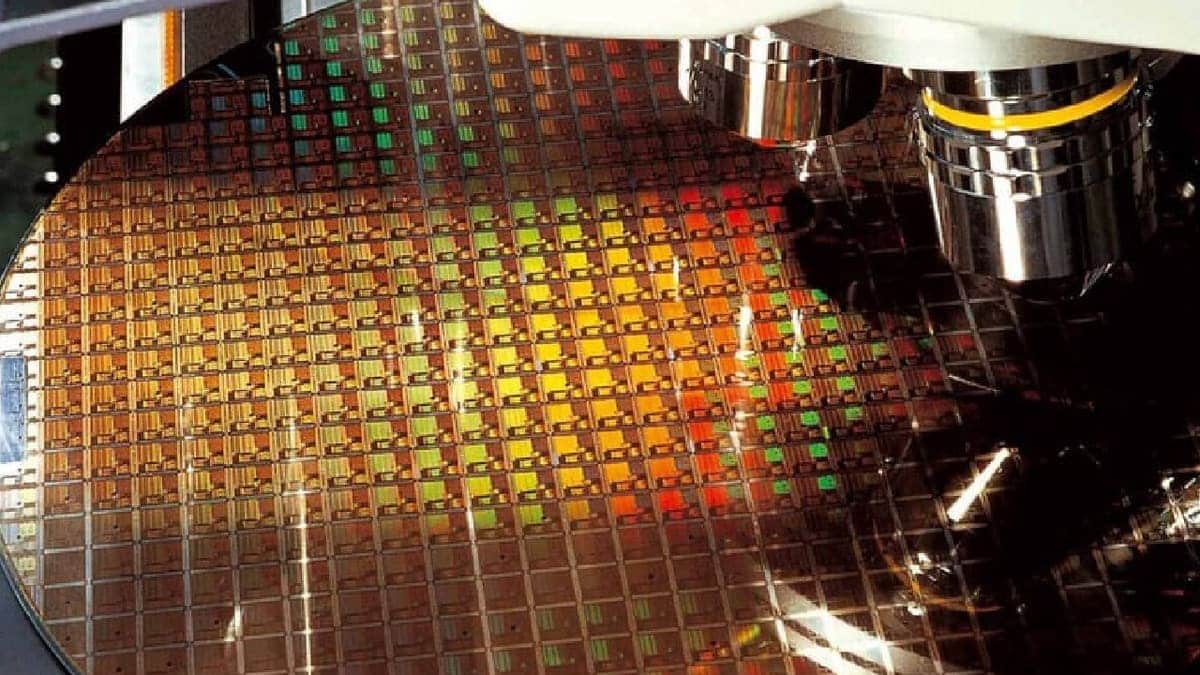
Semiconductors have become the new battleground for global dominance, shaping economies, defense systems, and technological innovation. As the West tightens restrictions on China’s access to cutting-edge chipmaking technology, Beijing has responded with an aggressive $41 billion investment to develop its own lithography equipment, a sector long dominated by European and American firms. This ambitious move signals China’s intent to challenge ASML, the Dutch company that holds a near-monopoly over the most advanced photolithography machines.
Amazon co-founder MacKenzie Scott has donated over $19 billion to charity in just five years
Diamond batteries powered by nuclear waste promise 28,000 years of clean energy
The Rivalry Between SMIC and ASML
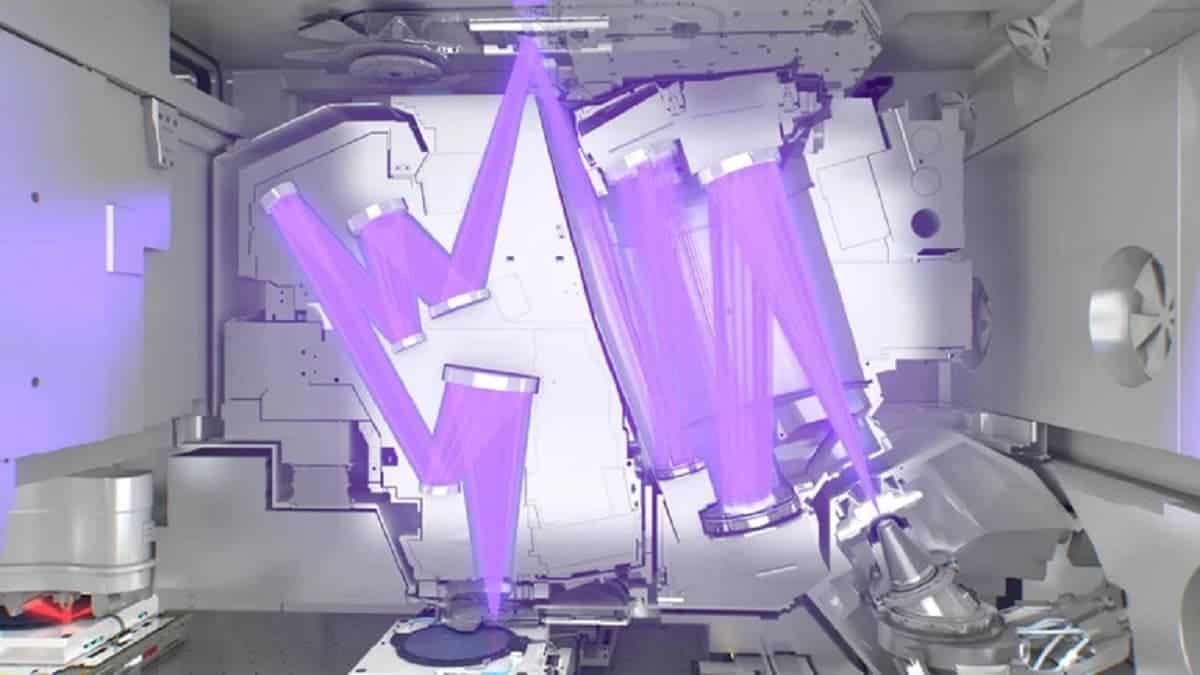
At the heart of this technological showdown are SMIC (Semiconductor Manufacturing International Corporation), China’s top chipmaker, and ASML, the Dutch powerhouse whose Extreme Ultraviolet (EUV) lithography machines are indispensable for producing chips as small as 3 nanometers—the gold standard for AI, high-performance computing, and military applications.
Lithography is the most complex and expensive step in semiconductor manufacturing, involving intricate light-based etching of microscopic circuits onto silicon wafers. ASML’s EUV machines, each costing around $300 million, are the only commercially available systems capable of producing next-generation chips. Without access to ASML’s technology, China faces a major bottleneck in its semiconductor ambitions.
Dr. Li Wei, a semiconductor analyst at the Institute of Electrical and Electronics Engineers (IEEE), explains: “ASML’s EUV technology is unmatched. For China, developing a homegrown alternative is not just about economics—it’s a matter of national security.”
A $41 Billion Leap Toward Technological Sovereignty
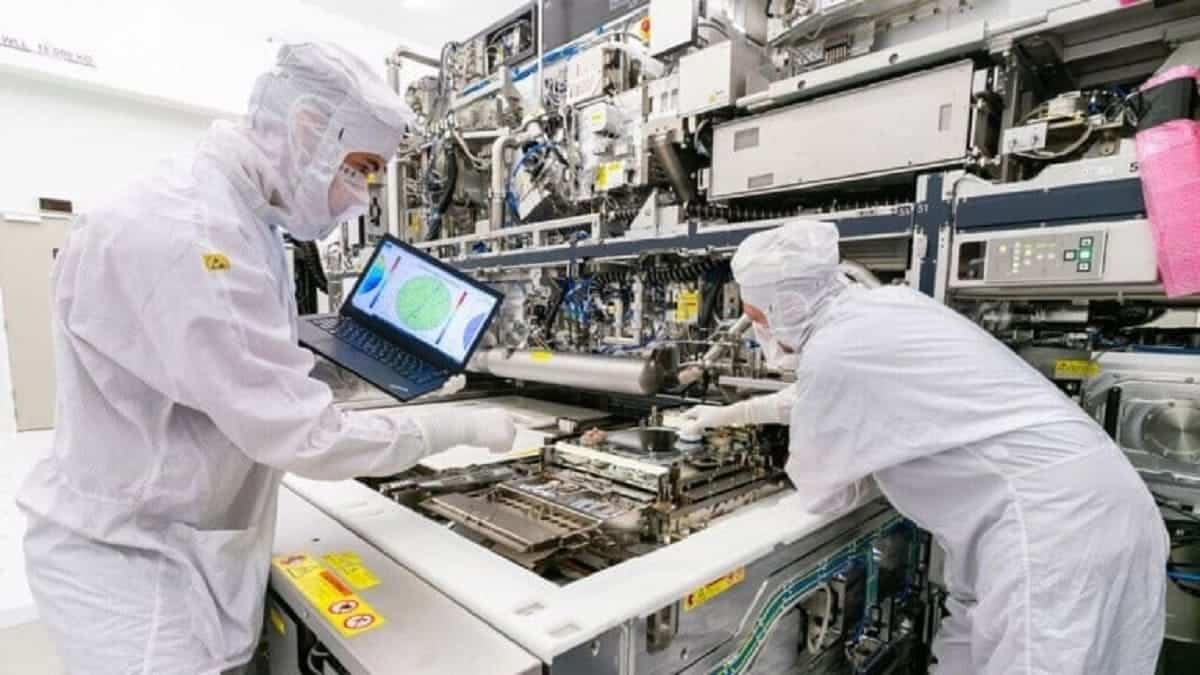
China’s response to this dependency is nothing short of a technological revolution. The $41 billion investment—one of the largest state-backed semiconductor initiatives in history—is fueling the rise of domestic lithography firms such as Hua Hong Semiconductor, Naura Technology Group, and Honghu Suzhou Semiconductor Technology. These companies are leading the charge in developing China’s first viable lithography machines, with government backing through subsidies, R&D partnerships, and strategic acquisitions.
Professor Zhang Ming from the Chinese Academy of Sciences notes: “China is pulling every possible lever—capital, research, and talent—to close the lithography gap. This investment isn’t just about catching up; it’s about breaking Western control over the semiconductor industry.”
NASA warns China could slow Earth’s rotation with one simple move
This dog endured 27 hours of labor and gave birth to a record-breaking number of puppies
The Huawei Breakthrough: A Defiant Statement to the West
The battle over semiconductors took a dramatic turn when Huawei unveiled the Mate 60 Pro, a 5G smartphone powered by a chip designed and manufactured entirely in China—despite strict U.S. sanctions aimed at crippling the nation’s semiconductor sector. The phone’s 7nm Kirin 9000s processor, produced by SMIC, signaled a major leap forward in China’s ability to innovate without Western technology.
Emily Chen, a technology expert at TechCrunch, remarked: “Huawei’s Mate 60 Pro wasn’t just a smartphone launch—it was a geopolitical statement. It showed that China can build competitive chips under the harshest conditions.”
ASML Strikes Back with High-NA EUV
While China races to develop its own lithography machines, ASML continues to push the boundaries of chipmaking technology. The company recently unveiled its next-generation High-NA EUV systems, which promise sub-2nm chip production, further reinforcing ASML’s dominance in the semiconductor supply chain.
James Thompson, a semiconductor strategist at Gartner Inc., explains: “ASML is playing on a different level. Its High-NA EUV systems will keep the company ahead of China for years to come.”
A Battle of Geopolitics and Technology
This semiconductor war isn’t just about technology—it’s about geopolitical power. The country that controls semiconductor production holds massive leverage over global trade, military defense, and economic stability. By aggressively investing in homegrown lithography, China aims to reduce its exposure to U.S. and European sanctions, ensuring that its AI, military, and digital economy remain independent from Western technology.
Dr. Maria Gonzalez, a geopolitical analyst at the Council on Foreign Relations (CFR), states: “Whoever dominates semiconductors dominates the future. China’s investment in lithography isn’t just about making chips—it’s about securing its position as a global superpower.”
The Race to Semiconductor Supremacy
China’s $41 billion bet on lithography marks a turning point in the global semiconductor landscape. ASML continues to lead with its High-NA EUV machines, but China’s unwavering determination and massive state support could reshape the balance of power in this high-stakes industry.
As Beijing accelerates its push toward technological self-sufficiency, the competition over semiconductors is set to intensify, with far-reaching consequences for global trade, innovation, and national security. The next few years will determine whether China can break ASML’s monopoly or if Europe’s technological advantage remains unchallenged.