
In a move that has upset farmers and school systems across the U.S., former President Donald Trump’s administration recently cut funding for a vital program aimed at sourcing local food for school cafeterias. This decision has left many in rural areas, especially in Kentucky, struggling to adjust and questioning the future of local food systems.
Amazon co-founder MacKenzie Scott has donated over $19 billion to charity in just five years
Diamond batteries powered by nuclear waste promise 28,000 years of clean energy
The Disruption of Local Food Systems
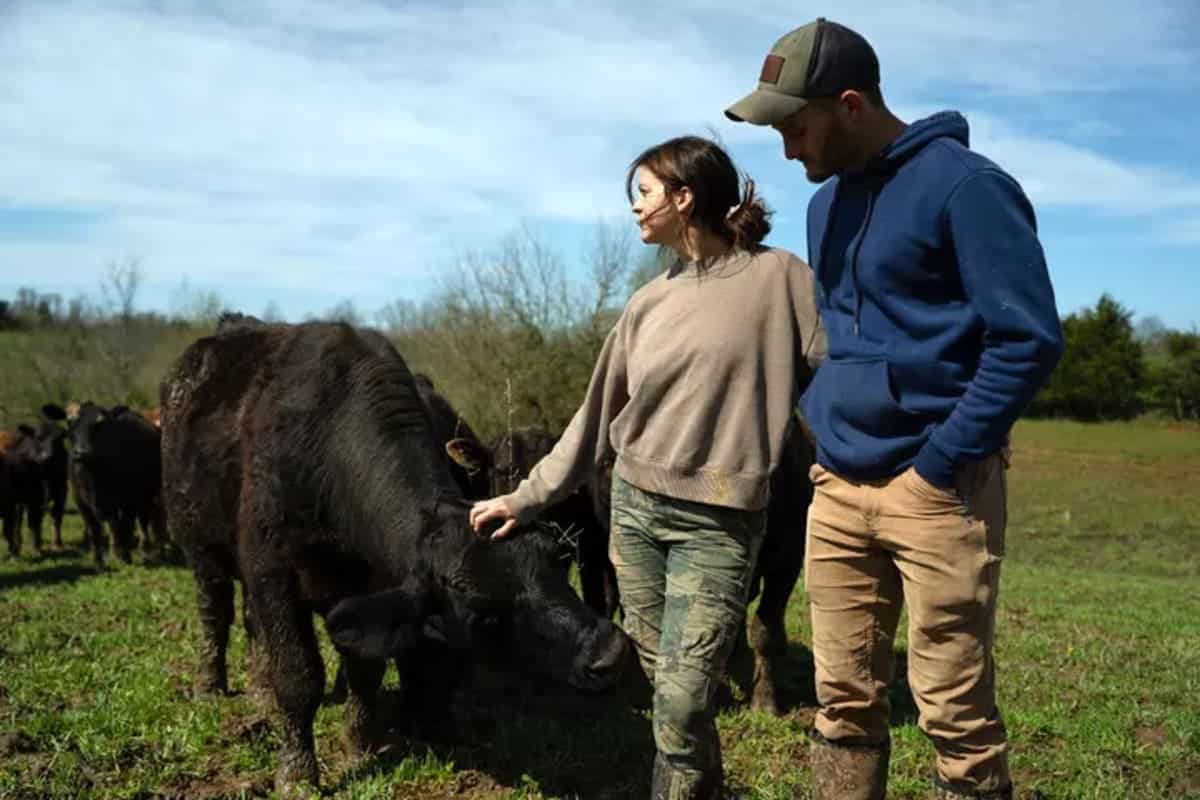
For Andre and Whitney Faul, the daily routine on their Kentucky farm was supposed to include selling fresh poultry to local schools. Andre, who has been running the Faul Family Riverside farm, was expecting a delivery of over 1,500 chicks, part of an order meant to supply local schools with fresh, healthy food. But in March, just before the scheduled deliveries, the schools informed him that they could no longer honor the orders due to a decision made by the U.S. Department of Agriculture (USDA).
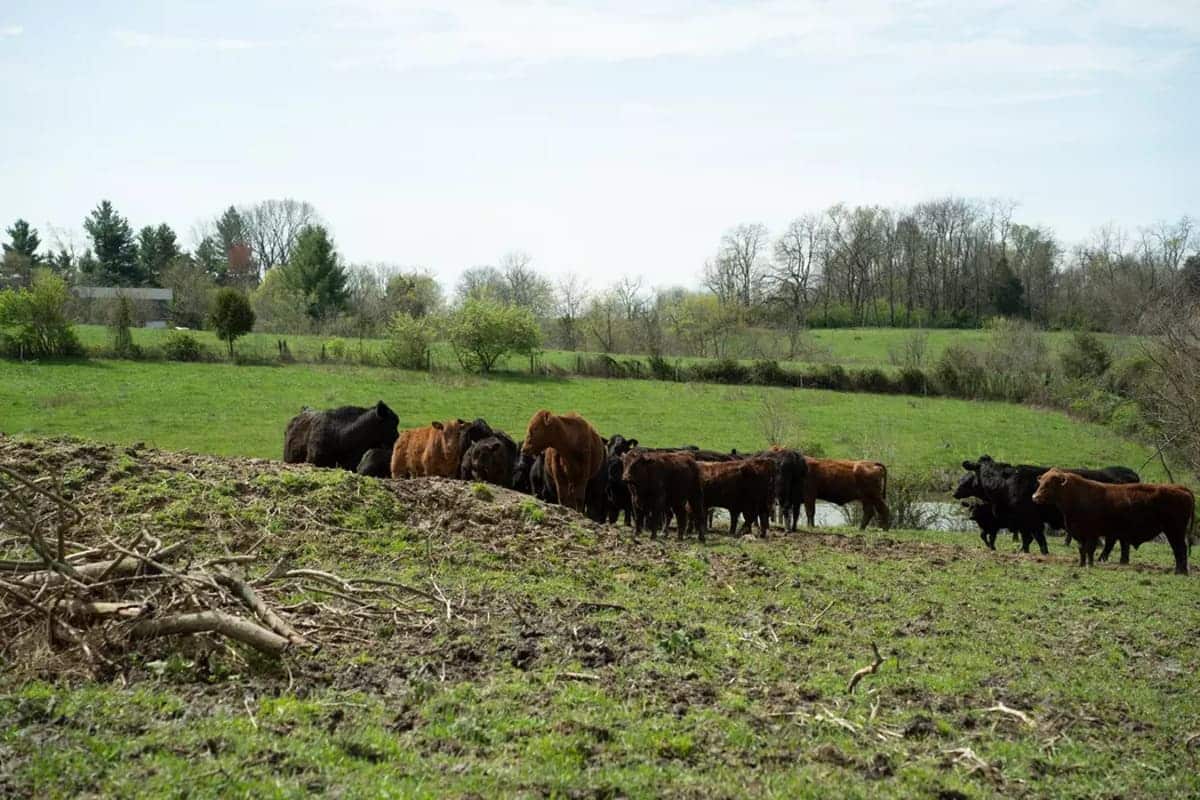
The USDA cut funding for the “Local Food for Schools” program, which had been providing financial support to schools for sourcing food from local farmers. Initially launched under President Biden’s administration, this program was set to invest $660 million by 2025, with funding distributed across 40 states. For small farmers like the Fauls, this program was a lifeline, and its abrupt end has left many questioning the future of local food sourcing in the U.S.
A Blow to Farmers and Schools Alike
Andre Faul, a farmer in his thirties, expressed his frustration with the decision, particularly since the program had provided steady income for his farm. In the previous year, the Faul farm earned $50,000 from selling poultry to local schools—a significant portion of their annual revenue. “It’s not a huge amount, but it’s vital when you run a small business,” Andre explained. For him, the program wasn’t just about making money—it was about building resilience in the local food system and providing healthier options to children.
While Andre had supported Kamala Harris during the last presidential election, he was surprised by this move from the Trump administration, as he expected the former president to be more supportive of farmers. Despite the tension surrounding government spending, Andre emphasized that the Local Food for Schools program seemed like a small but crucial investment that should not have been cut.

The Impact on Local Nutrition
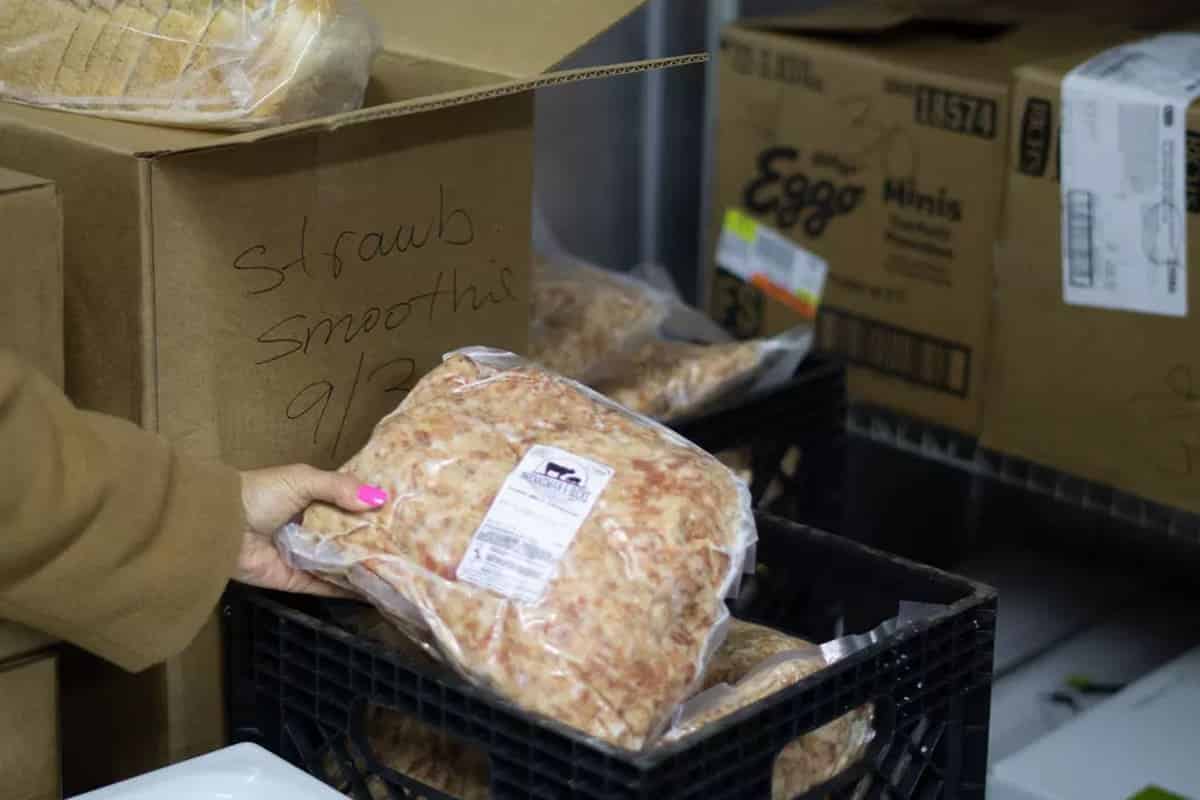
The Fauls aren’t alone in feeling the impact. Schools in Oldham County, Kentucky, also relied on the funding to provide fresh, locally grown food to their students. Carlina Loyd, the director of nutrition for Oldham County schools, had relied on over $92,000 in funding over the past two years to purchase products directly from local farmers. “Now, we don’t know where we’ll find the funds to pay them,” she said, explaining the uncertainty that the funding cuts have caused.
NASA warns China could slow Earth’s rotation with one simple move
This dog endured 27 hours of labor and gave birth to a record-breaking number of puppies
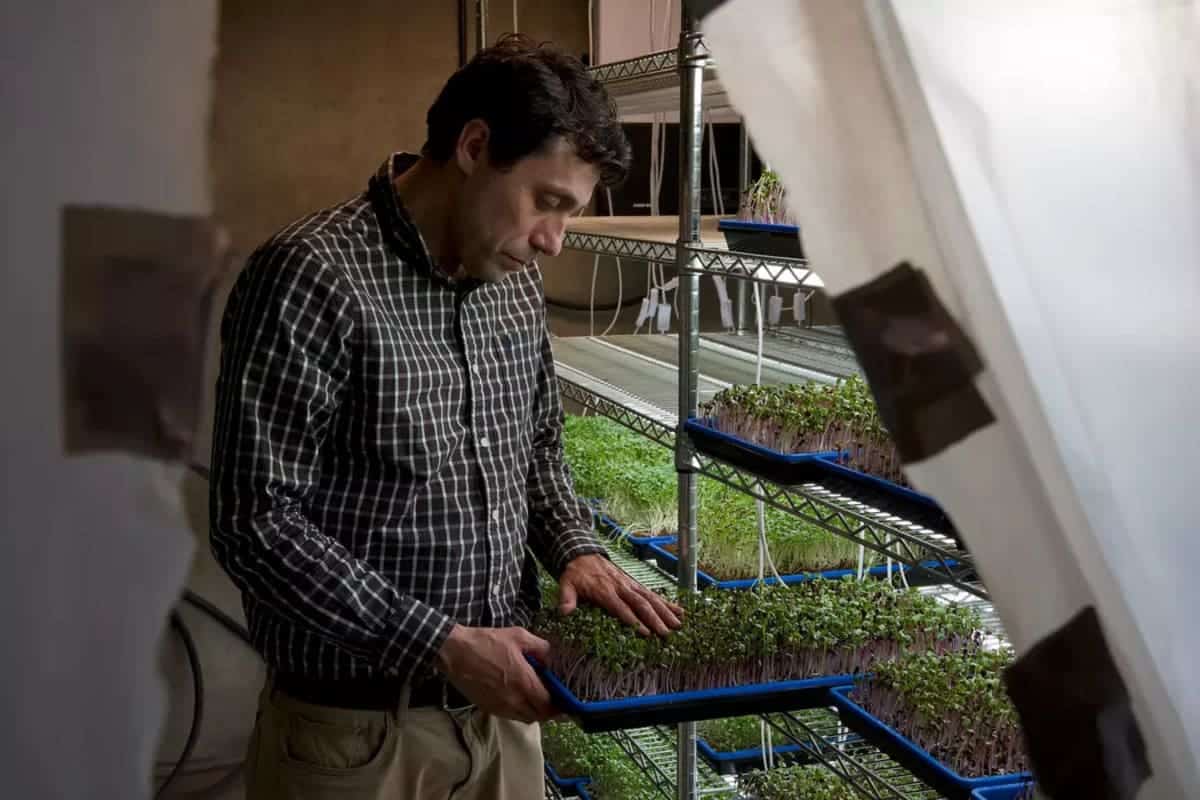
The funding provided schools with the opportunity to explore fresh options, such as microgreens, a nutritious alternative that schools had started incorporating into their lunch programs. Matt Velasquez, a local farmer from Louisville, had begun selling microgreens to schools, and this became a major source of income for his farm. However, with the loss of funding, 80% of his business came to a halt. “It’s frustrating because we had so many good things lined up,” Matt shared. Like other farmers, he feels that this decision undermines the goal of improving public health, especially given the president’s campaign promise to “Make America Healthy Again.”
A Missed Opportunity for Healthier, Local Food Systems
The program had represented a “win-win” scenario, providing both financial stability for farmers and healthier food options for children. It was a step toward breaking the cycle of reliance on large, industrial food distributors and instead fostering a sustainable, local food system. With the end of this funding, many of these small-scale, local producers will likely have to find other buyers or return to selling to larger distributors, further distancing schools from healthy, locally sourced food.
Though some may view these cuts as an effort to reduce government spending, for many, it feels like a missed opportunity to invest in a more resilient and sustainable food system. Local farmers, who often invest in the land and the community, are left to wonder why this particular program—one that aligned with the health and nutrition goals of the government—was eliminated.
As the effects of these cuts continue to unfold, there is hope that the conversation about local food systems and the health of children will prompt a reconsideration of these policies. In the meantime, small farmers like the Fauls and Velasquez are left grappling with uncertainty and wondering how they can continue to support their communities without the backing of government initiatives.