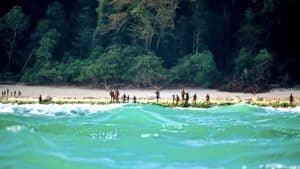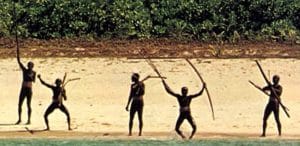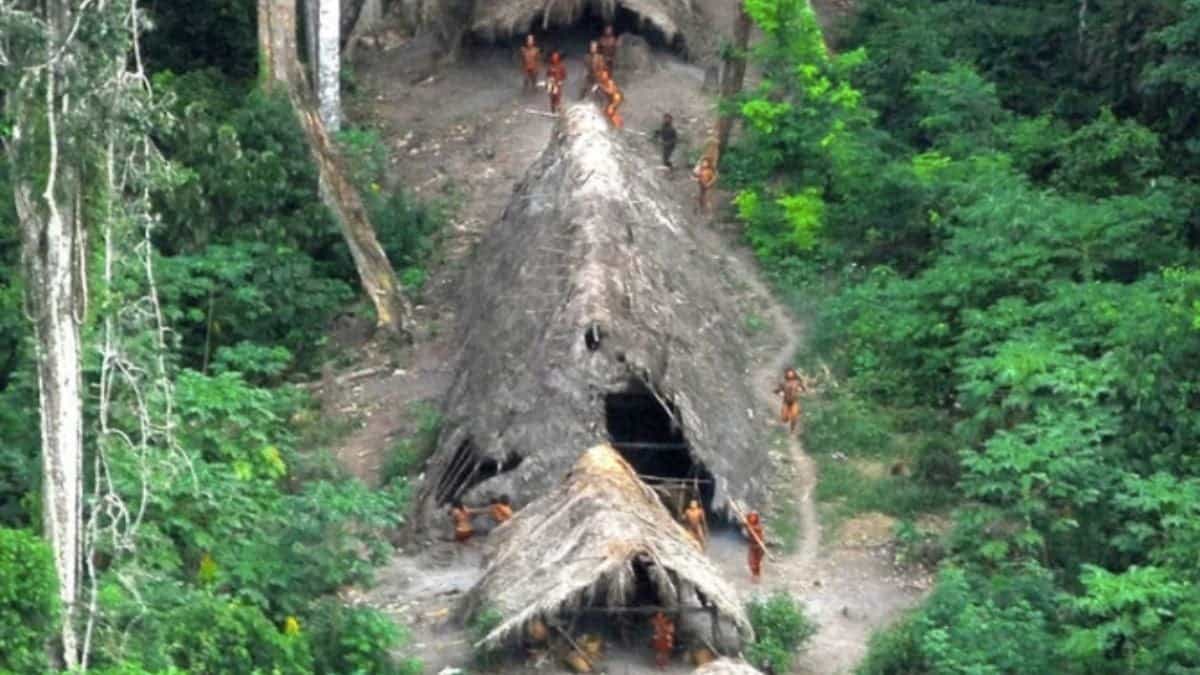
In 2018, a remote-controlled drone ventured where few humans dare to tread, capturing startling scenes of tribes that have shunned modern contact for generations. From the lush Javari Valley in Brazil to the forbidding shores of North Sentinel Island, these images offer a window into lives lived entirely apart from our digitized world. While the footage has fascinated millions online, it also raises urgent questions about the survival of these isolated tribes and their right to remain undisturbed.
Amazon co-founder MacKenzie Scott has donated over $19 billion to charity in just five years
Diamond batteries powered by nuclear waste promise 28,000 years of clean energy
From the Amazon’s Javari Valley to North Sentinel Island
When I first saw the drone footage, I was struck by the stark contrast between the verdant expanses of the Amazon and the windswept beaches of the Andamans. Filmed by G. Miranda for Survival International, the clips begin in Brazil’s Javari Valley—home to several uncontacted groups who move silently beneath the canopy. In one scene, a cluster of thatched huts appears almost camouflaged against the foliage. The video then shifts nearly 17 000 km east to North Sentinel Island, where the Sentinelese remain fiercely hostile: any outsider who lands risks deadly reprisal, as missionary John Allen Chau tragically discovered in 2018.


The precarious future of isolated tribes
Globally, over 150 million people—fewer than 2 % of humanity—live in tribal societies across some 60 countries, according to Survival International. Many, like the Shompen of the Andamans, refuse all external contact, but face threats from urban encroachment and resource development. As museum curator Anna Reyes notes, “These communities embody a unique heritage of knowledge and adaptation. Once they vanish, entire worldviews vanish with them.” With the video’s 3.7 million YouTube views highlighting our collective fascination, it’s clear that protecting these tribes isn’t just an ethical imperative—it’s a race against time to preserve human diversity.