

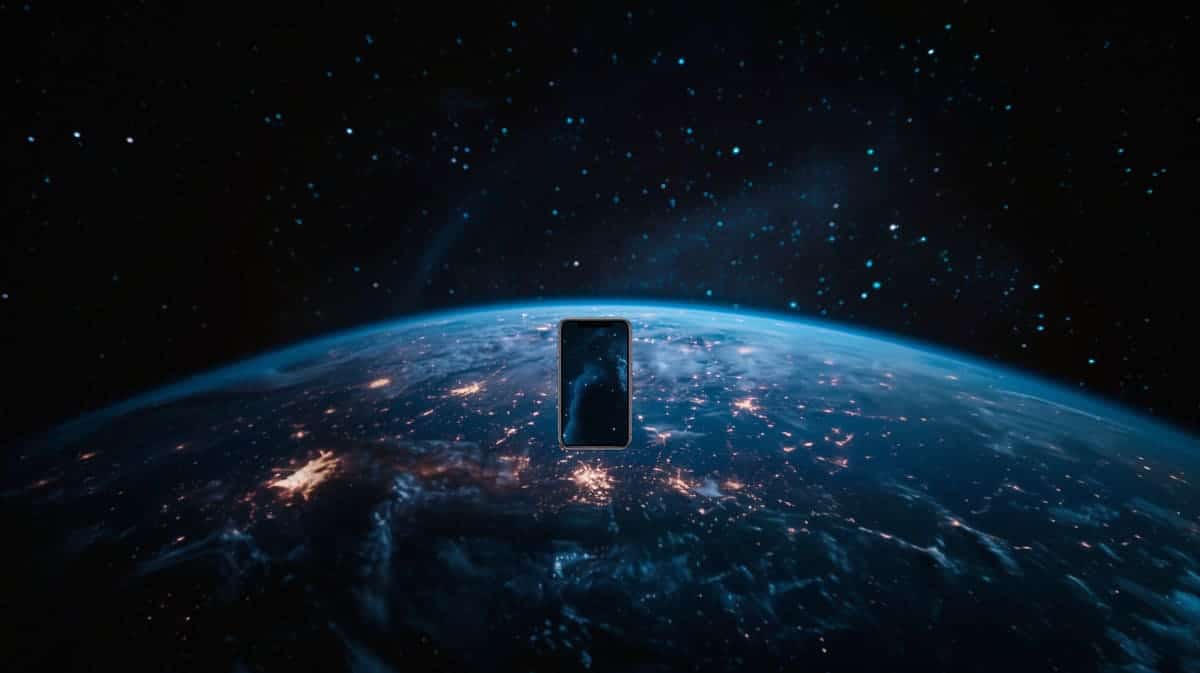
Elon Musk is at it again, pushing the boundaries of communication with his latest innovation—Starlink’s Direct-to-Cell service. After transforming global internet access, Starlink is now setting its sights on revolutionizing the way we use our smartphones, allowing users to make calls from virtually anywhere on Earth without any need for specialized hardware.
Amazon co-founder MacKenzie Scott has donated over $19 billion to charity in just five years
Diamond batteries powered by nuclear waste promise 28,000 years of clean energy
Starlink’s Direct-to-Cell Service: What It Means ?
Imagine this: you’re deep in a rainforest, sailing across the ocean, or trekking through the desert, far from any cell towers, but you’re still able to make a call. That’s the power of Starlink’s Direct-to-Cell service. Utilizing its vast satellite network, this service allows you to make voice calls directly from your regular smartphone, no hardware upgrades required. If your phone is LTE-compatible, you’re all set. It’s an ambitious leap forward in mobile communication, designed to simplify and expand access to the most remote areas.
The idea behind this service is straightforward yet revolutionary. You won’t need any special satellite phone or modified device. Instead, as long as your smartphone supports LTE, you’ll be able to make calls from almost anywhere. This could change the way we think about connectivity, offering freedom and peace of mind for those in areas where traditional networks just don’t reach.
Which Smartphones Are Compatible?
One of the most exciting aspects of Starlink’s service is its compatibility. According to SpaceX’s letter to the FCC, devices from top brands like Apple, Samsung, and Google have already been successfully tested with the service. Whether you’re using a brand-new iPhone 14 or a slightly older model like the iPhone 13, if your device supports LTE, it’s ready to connect.
Starlink’s system doesn’t require any complex hardware upgrades, which is a significant benefit. Older devices, often left behind by newer technologies, can still take full advantage of this satellite connectivity. This commitment to supporting a wide range of devices ensures that cutting-edge communication is accessible to as many people as possible.
A Game-Changer for Messaging and Emergencies
While the ability to make phone calls from remote areas is impressive on its own, Starlink’s Direct-to-Cell service also offers a major step forward in terms of messaging. Unlike traditional satellite communication systems that limit users to preset messaging templates, this new technology allows you to send fully customizable messages through your preferred platforms. This can be a literal lifesaver in emergencies, enabling users to communicate their needs clearly and in real-time.
Whether you’re checking in with loved ones during a hiking trip or making an urgent call from a stranded vehicle, the ability to send personalized messages or make voice calls can be a crucial feature. This flexibility promises seamless, reliable communication where it was previously impossible, ensuring that help can be called for in any situation.
NASA warns China could slow Earth’s rotation with one simple move
This dog endured 27 hours of labor and gave birth to a record-breaking number of puppies
What’s Next for Starlink?
As impressive as the Direct-to-Cell service is, this is only the beginning for Starlink. The satellite phone service is set to launch commercially, though details on pricing are still to come. This innovation holds great promise, not just for adventurers and emergency responders, but for everyday users in rural and underserved areas where mobile networks are often unreliable.
SpaceX has already hinted at future expansions in its letter to the FCC, which include extending support for the Internet of Things (IoT), improving voice communication, and even enabling web browsing via satellite. These advancements would further elevate the service’s value for individuals, businesses, and critical services that rely on uninterrupted connectivity.
Bridging the Global Communication Gap
While fast fiber-optic internet and high-speed mobile networks are available in many urban areas, large swathes of the globe still suffer from poor or nonexistent coverage. Starlink’s Direct-to-Cell service has the potential to bridge this gap by offering a lifeline in regions where communication options are limited. For travelers, remote workers, and outdoor enthusiasts who rely on dependable access to stay safe and connected, this development could be a game-changer.
By offering global connectivity from almost anywhere, Elon Musk’s Starlink is once again redefining what it means to stay connected. Whether for work, emergencies, or simply keeping in touch with family and friends, this satellite technology could reshape the future of mobile communication, making it possible to communicate no matter where you are on Earth.