
Elon Musk’s influence on free speech and his political pivot have made headlines, especially as his decisions continue to reshape public discourse. Once seen primarily as the mastermind behind Tesla and SpaceX, Musk’s entry into the world of social media and politics has been nothing short of transformative—and controversial. His acquisition of X (formerly Twitter) and outspoken advocacy for unrestrained expression are central to how Donald Trump regained his platform.
Amazon co-founder MacKenzie Scott has donated over $19 billion to charity in just five years
Diamond batteries powered by nuclear waste promise 28,000 years of clean energy
Trump and Musk: A Public Alliance
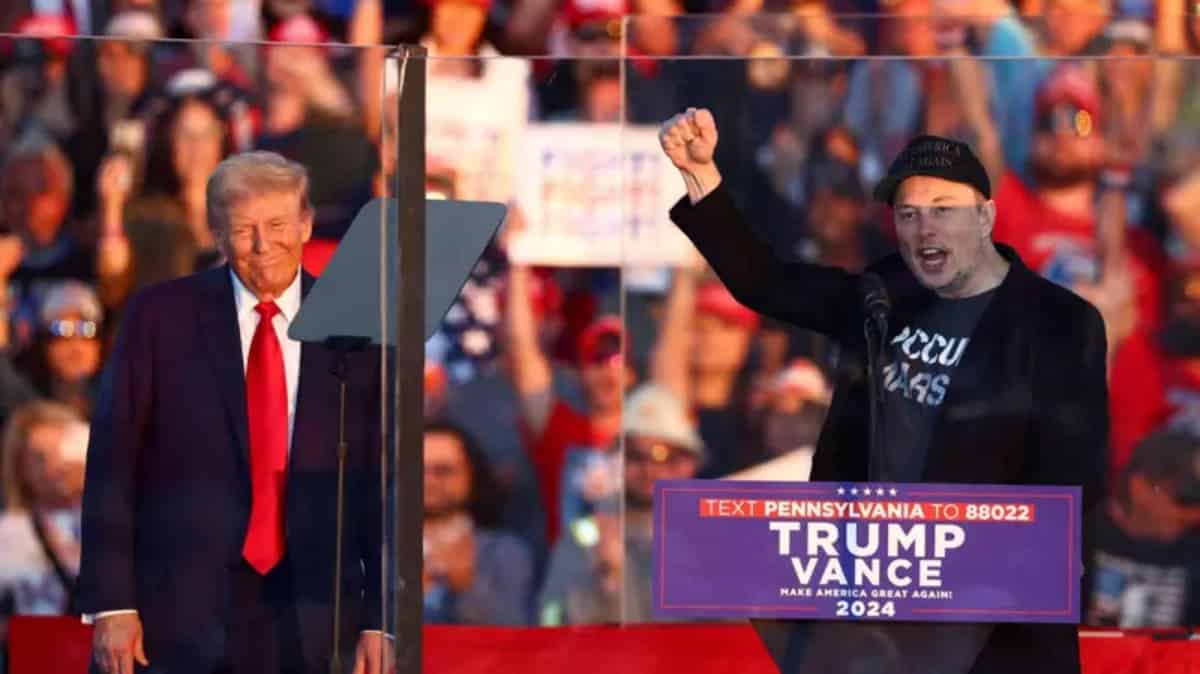
At a political rally in Pennsylvania, Donald Trump didn’t hold back his praise for Elon Musk, calling him a “great man” who “saved free speech.” Standing beside the former president in a signature Make America Great Again cap, Musk seemed to embody the ideals of unrestricted dialogue that Trump often champions. It was a striking scene, set against a backdrop of political turmoil and lingering accusations of election interference.
Musk’s embrace of Trump’s agenda was clear. Back in July, the tech billionaire formally endorsed Trump’s presidential campaign in a post on X. Since then, Musk has gone beyond passive support, actively amplifying Trump’s messages and criticisms of Democrats on the platform.
From Tech Visionary to Political Power Player
Elon Musk’s rise to prominence came through his revolutionary ventures in electric vehicles, space exploration, and satellite internet. But politically, his stances were less defined. In 2011, he described himself as “moderate” and “socially liberal, fiscally conservative.” However, his views have taken a more pronounced turn in recent years, particularly during the COVID-19 pandemic.
Musk’s opposition to pandemic-related restrictions and his vocal disdain for progressive ideals marked a shift. He criticized lockdowns as “fascist” and frequently railed against what he called the “woke mind virus.” Additionally, Musk openly expressed disapproval of identity politics and cultural shifts, which he saw as veering too far left. By 2022, this ideological shift culminated in his $44 billion purchase of Twitter.
Free Speech or Selective Expression?
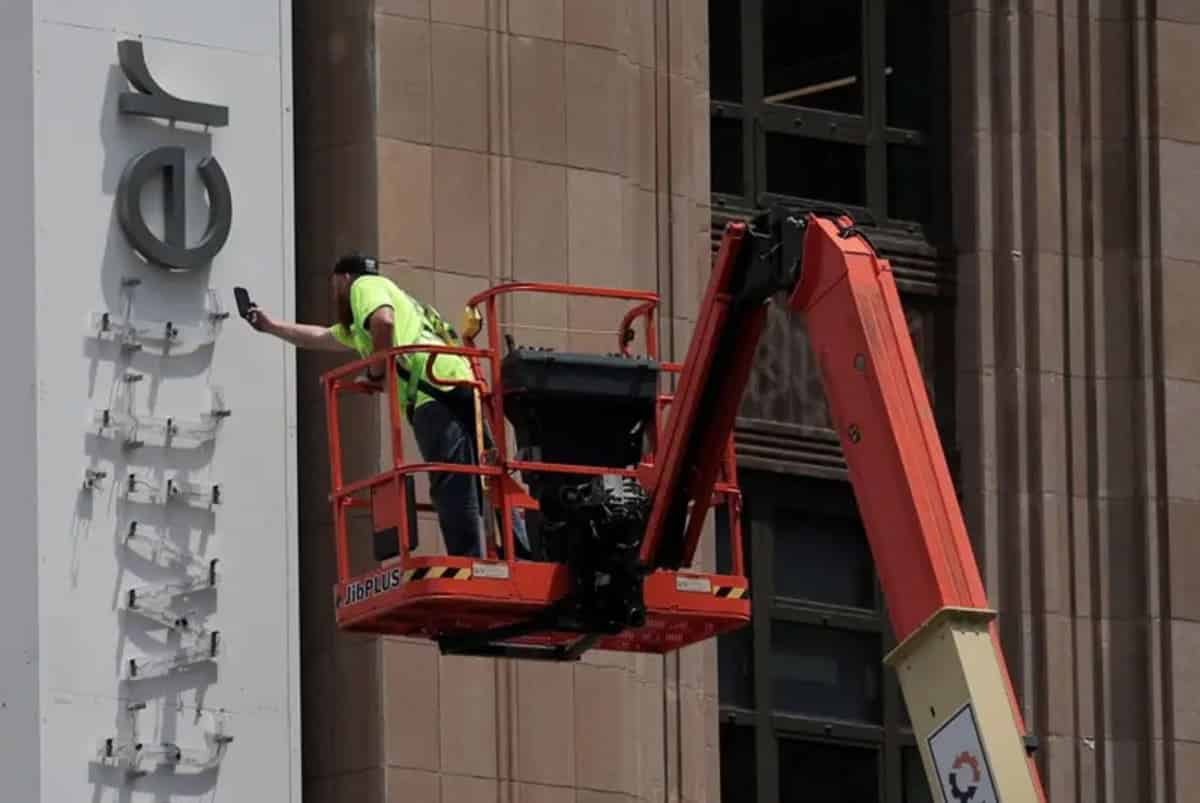
Musk has repeatedly justified his acquisition of Twitter as an effort to protect free speech, describing the platform as a “digital town square.” Under his leadership, sweeping changes ensued: mass layoffs, policy overhauls, and the restoration of banned accounts, including Trump’s. While many hailed these moves as a victory for free expression, critics questioned the implications.
“Freedom of speech isn’t the same as freedom from consequences,” notes political philosophy expert Jeffrey Howard. Musk’s interpretation of free speech absolutism—even reinstating conspiracy theorists like Alex Jones—has sparked debate about the line between open dialogue and harmful rhetoric.
Interestingly, while Musk claims to champion free speech globally, X has complied with content suppression requests from governments in India and Turkey. This has led some to accuse him of hypocrisy, questioning whether his absolutism truly extends beyond U.S. borders.
NASA warns China could slow Earth’s rotation with one simple move
This dog endured 27 hours of labor and gave birth to a record-breaking number of puppies
Trump’s Comeback on X
Perhaps Musk’s boldest move was reinstating Donald Trump’s X account. Trump’s suspension in 2021 following the Capitol riots was a watershed moment for social media platforms grappling with the limits of free speech. Musk’s decision to reverse the ban reignited the conversation, with some celebrating it as a stand for democratic principles and others warning of the risks of normalizing disinformation.
Since his return, Trump has used the platform to double down on claims of election fraud and attack political rivals. Musk, meanwhile, has amplified Trump’s messages, frequently sharing posts that align with the former president’s rhetoric. Critics argue this creates an echo chamber that further polarizes the political landscape.
Musk’s Political Calculations
Musk’s political alliances seem strategic. His pro-Trump activism has earned him a spot as an advisor in Trump’s administration, focusing on regulatory and budgetary matters. Given that Musk’s companies, like SpaceX, rely heavily on government contracts, this raises questions about potential conflicts of interest. Is his advocacy for free speech merely a guise for advancing his business goals?

Has Free Speech Really Been Saved?
Supporters of Musk’s actions argue that his approach has revitalized public discourse, reclaiming X as a platform for uncensored dialogue. However, skeptics, like Professor Howard, remain unconvinced. “X isn’t as healthy a space for open public discussion as it was pre-Musk,” he says.
Under Musk’s leadership, the platform has amplified conspiracy theories and misinformation. His prolific posting—doubling his total tweets since acquiring X—has further blurred the line between his personal beliefs and the platform’s policies. With over 200 million followers, Musk wields immense influence, but his actions continue to divide opinions on what free speech truly means in the digital age.
For better or worse, Musk’s decisions have cemented his role as one of the most polarizing figures in tech and politics. Whether his version of free speech protects democracy or compromises it remains a question that will shape the future of public discourse.