
Amazon co-founder MacKenzie Scott has donated over $19 billion to charity in just five years
Diamond batteries powered by nuclear waste promise 28,000 years of clean energy
First International Operation Against AI-Generated Child Pornography
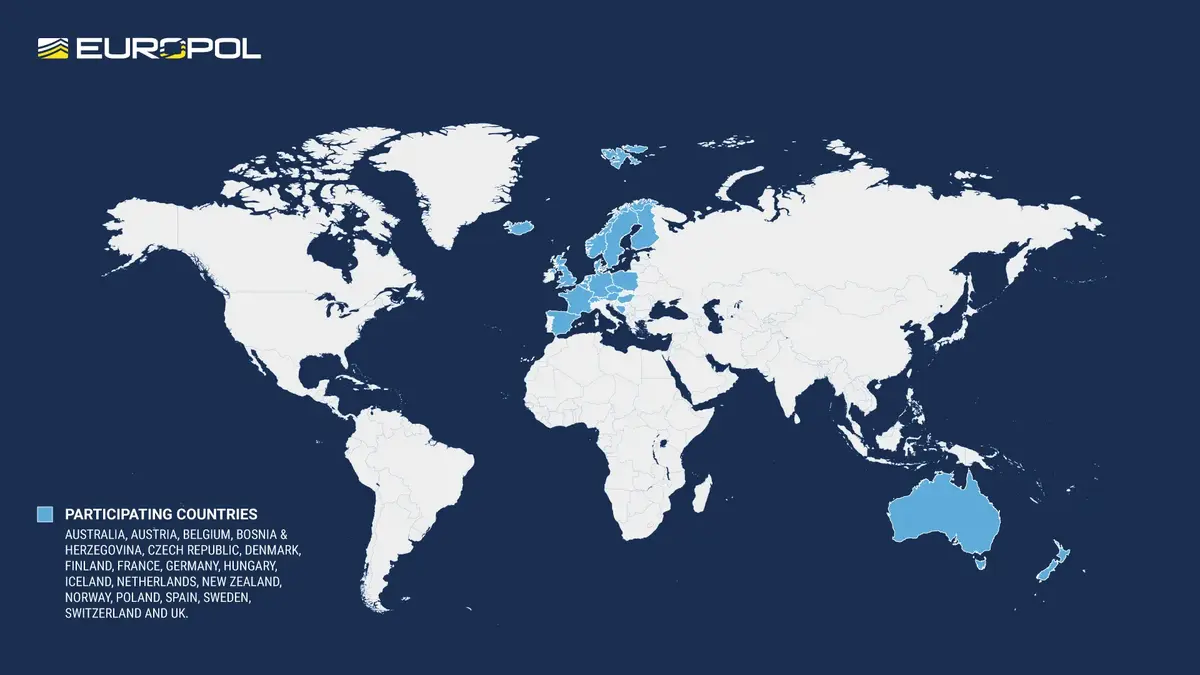
The operation was carried out on Wednesday by the Danish police, in cooperation with law enforcement agencies from 18 countries, including France. It followed the November arrest of the main suspect: a Danish national who operated an online platform that provided access, for a nominal fee, to artificially generated content depicting the sexual abuse of minors.
According to Europol, this case highlights an emerging phenomenon: the ease with which AI can now create realistic images, without involving any real victims. For Catherine De Bolle, Europol’s Executive Director, the challenge is significant. These artificially generated images can be produced by individuals with criminal intentions, even without deep technical knowledge
.
The growing volume of this illegal content complicates the task of investigators, making it increasingly difficult to identify both victims and perpetrators. Europol warns that online child sexual exploitation remains one of the most threatening forms of cybercrime within the European Union.
Toward Strengthened European Legislation
This intervention particularly reignites the debate on the need to strengthen the legal framework regarding the use of AI for criminal purposes. EU member states are currently working on common regulations to better govern these practices and protect minors.
NASA warns China could slow Earth’s rotation with one simple move
This dog endured 27 hours of labor and gave birth to a record-breaking number of puppies
Europol also emphasized that even when the content is entirely artificial, it contributes to the sexualization and objectification of children. AI-generated child pornography helps to normalize the exploitation of minors, even in the absence of real victims
.
An Online Campaign to Raise Awareness and Prevent
In the coming days, Europol plans to launch a digital campaign to raise public awareness about the risks associated with AI in the realm of online sexual exploitation. The campaign also aims to identify and deter potential criminals by targeting their activities directly where they operate: on the internet.
Operation Cumberland is not over. Europol has confirmed that more arrests may follow, as the investigation continues to dismantle the entire criminal network.
This case highlights a new face of cybercrime, where artificial intelligence becomes a tool for predators. In response to this threat, law enforcement agencies and European institutions are organizing to adapt their investigative methods and protect the most vulnerable.