
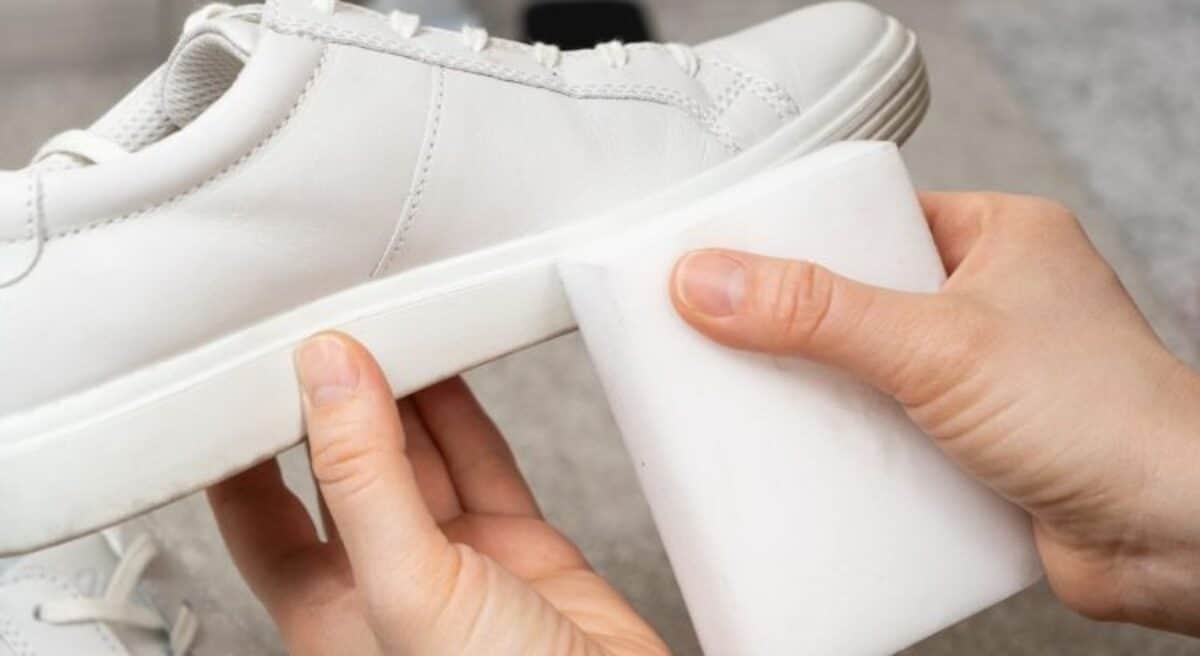
For many, magic sponges are a household cleaning miracle—an easy, no-fuss solution to remove stubborn stains with minimal effort. These sponges, often praised for their abrasive texture, have become a staple in many homes over the years. However, recent findings from scientists have raised serious concerns about their safety, not just for our health but for the environment. The call for an immediate ban is growing louder, and here’s why.
Amazon co-founder MacKenzie Scott has donated over $19 billion to charity in just five years
Diamond batteries powered by nuclear waste promise 28,000 years of clean energy
Scientists Investigate the Dangers of Magic Sponges

Magic sponges are marketed as the ultimate cleaning tool—effective and virtually effortless. Made from Basotect, a type of melamine foam, they are praised for their ability to scrub away dirt, grease, and grime with just a bit of elbow grease. Over time, these sponges have become increasingly popular, with many consumers seeing them as indispensable. But as scientists from Nanjing University in China have recently uncovered, these sponges may not be as harmless as they seem.
The researchers published a study in the journal Environmental Science & Technology, revealing the hidden dangers of these ubiquitous cleaning tools. The issue lies in the microplastics released when magic sponges are used. While the sponges themselves are made from melamine foam, a substance commonly used in soundproofing panels, the wear and tear during cleaning leads to the breakdown of these sponges into tiny particles. These microscopic residues are small enough to escape filtration in sewage treatment plants, eventually finding their way into natural ecosystems.
The Residue from Magic Sponges Ends Up on Our Plates

These microplastic particles are often too small to be filtered by sewage systems and are discharged directly into the environment, where they contribute to the growing problem of microplastic pollution. Whether it’s in rivers, lakes, or the ocean, these particles are increasingly being found in marine life, including fish and mammals. This is concerning not just for wildlife but for human health as well.
As these microplastics accumulate in aquatic organisms, they slowly move up the food chain, ultimately ending up on our dinner plates. What was once a simple cleaning tool now poses a significant risk to the food we consume. Studies have shown that these tiny plastic particles contain harmful chemicals, including toxic metals that are used in the manufacturing process of plastic products. These chemicals have been linked to hormonal disruptions and serious developmental issues in fetuses during pregnancy.
The Price We Pay for Using Magic Sponges
While the price of a magic sponge may seem minimal—often costing just a few dollars—the environmental and health consequences are anything but cheap. The long-term effects of exposure to microplastics and the chemicals they carry are becoming a growing concern for public health experts. According to a report by the United Nations Environment Programme (UNEP), these pollutants can have severe repercussions on human health, particularly affecting women and developing fetuses.
NASA warns China could slow Earth’s rotation with one simple move
This dog endured 27 hours of labor and gave birth to a record-breaking number of puppies
It’s becoming increasingly clear that the trade-off between the convenience of magic sponges and the environmental and health risks is not worth it. While these sponges may seem like a quick fix for cleaning, the impact they have on the planet and our bodies can last far longer than any clean surface.
Conclusion: Time to Rethink Household Cleaning
The findings from Nanjing University are a wake-up call for all of us who have relied on magic sponges for an easy cleaning solution. What was once seen as a miraculous product is now being recognized for its significant drawbacks. From microplastic pollution to health risks, it’s clear that the cost of using these sponges is much higher than we ever imagined. As experts continue to warn, it may be time to rethink how we clean our homes and consider alternatives that won’t harm the planet or our health.