
Amazon co-founder MacKenzie Scott has donated over $19 billion to charity in just five years
Diamond batteries powered by nuclear waste promise 28,000 years of clean energy
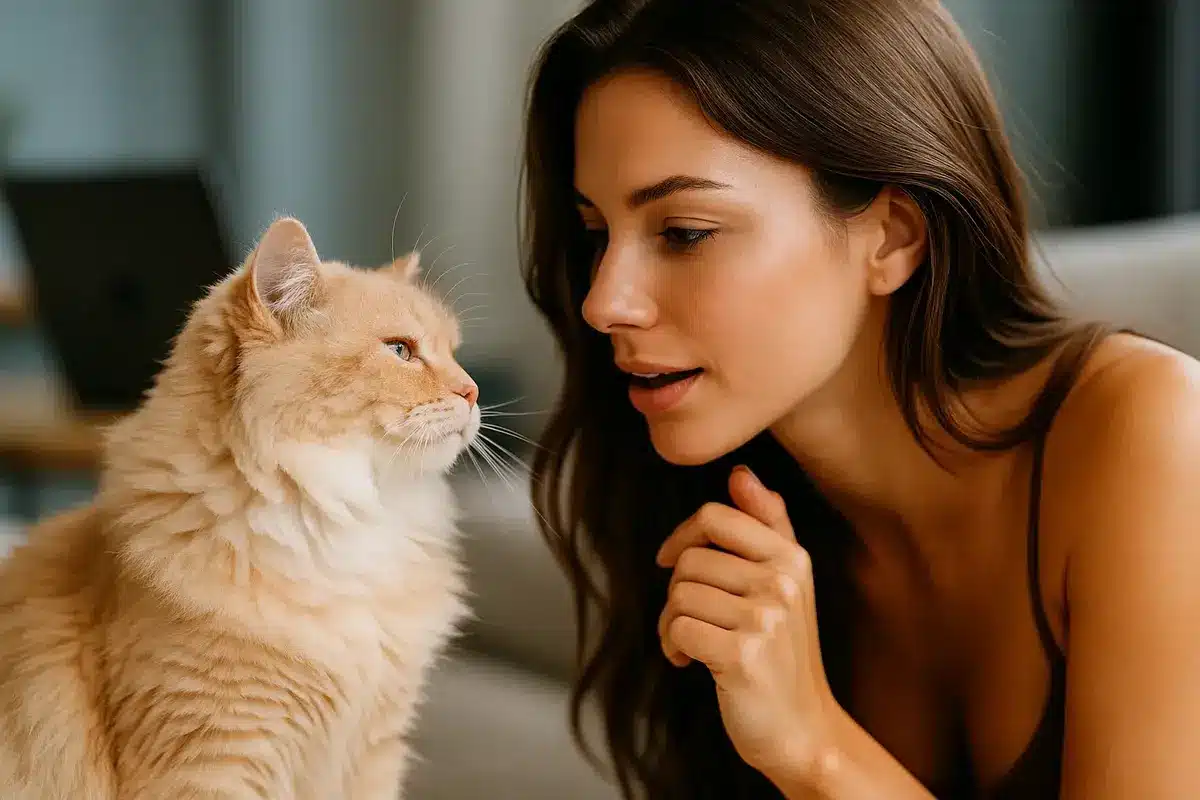
A Patent Filed for “Talking Cat” via AI
Baidu, the owner of China’s largest search engine, has filed a patent outlining an artificial intelligence system intended to convert animal vocalizations into human language. Released this week by the Chinese Intellectual Property Office, the patent outlines a method that analyzes sounds, behaviors, and biological signals from animals. The primary goal: to determine the emotional state of the animal and translate it into a semantic expression understandable to humans.
Meow
The method described in the patent integrates several subfields of artificial intelligence: machine learning, deep neural networks, and natural language processing. The system first needs to gather a dataset (sounds, movements, and behaviors) before merging this data and extracting an emotional interpretation. If a sound does not match any known emotional profile, the system is designed to allow manual labeling to refine the model. Baidu aims to develop a product more accurate than current animal translators, which rely on a single source (voice or facial expressions) and thus have limited reliability.
NASA warns China could slow Earth’s rotation with one simple move
This dog endured 27 hours of labor and gave birth to a record-breaking number of puppies
Meow, Meow Meow!
The concept of decoding animal language is not new. Back in 2002, a toy called Bowlingual claimed to translate dog barks. More recently, initiatives like the Earth Species Project and the cetacean translation project have rejuvenated this type of research, supported by tech luminaries like Reid Hoffman. However, no truly credible solution has emerged yet. The publication of the patent does not equate to validation or an imminent launch: the process can take years or might never come to fruition.
Joking aside, considering how close I am with my cat, I have mixed feelings about these types of solutions, which on paper sound like science fiction. But given the rapid advancement of AI technology, anything seems possible. Yet, do we really want to know what our pets have to say? If it turns out our cats spend their days calling us jerks, that might not be so great after all…