
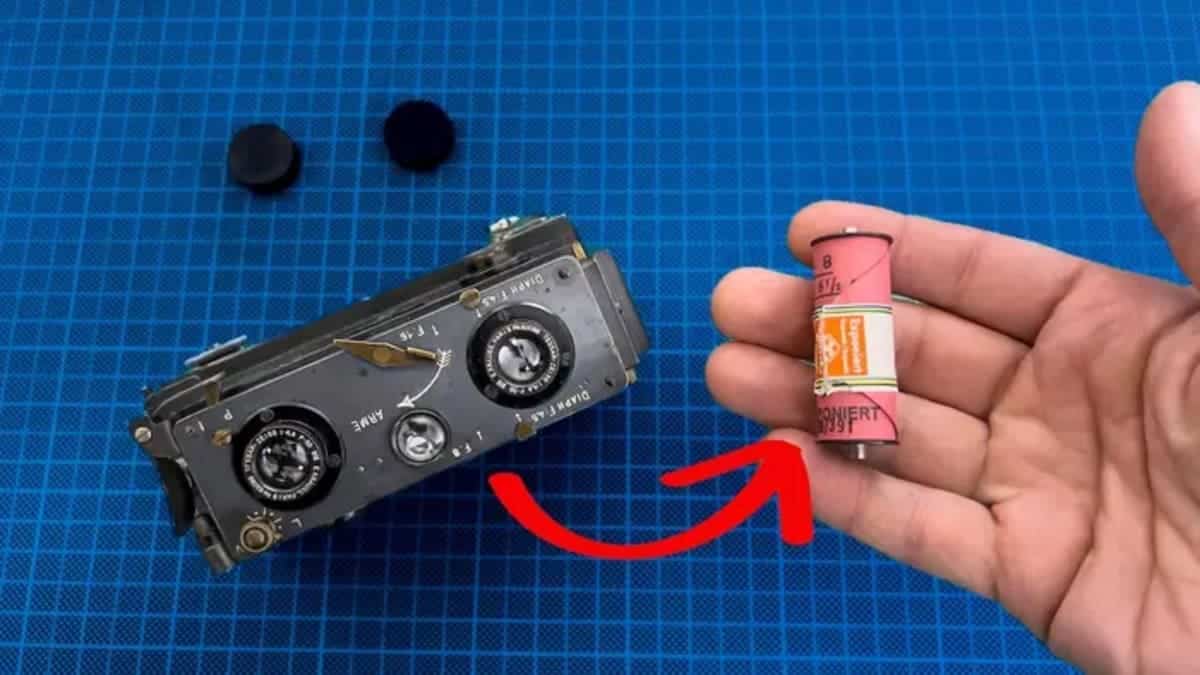
Imagine discovering a 70-year-old roll of undeveloped film in a vintage camera—an unexpected find that sparks a deep dive into history and the art of film restoration. For Austrian photographer Markus Hofstätter, this discovery turned into a thrilling adventure that blended his love for antique cameras with a passion for preserving the past. What he uncovered wasn’t exactly what he had hoped for, but the journey revealed fascinating insights into both the limits and possibilities of restoring vintage photographs.
Amazon co-founder MacKenzie Scott has donated over $19 billion to charity in just five years
Diamond batteries powered by nuclear waste promise 28,000 years of clean energy
The Challenge of Restoring Old Film
The story begins with Markus Hofstätter, a photographer with a keen interest in collecting and restoring vintage cameras. During one of his quests, he came across a rare Jules Richard Verascope camera from 1911. To his amazement, the camera contained an old roll of film, estimated to be anywhere from 50 to 70 years old. Rather than letting the film remain a forgotten relic, Hofstätter set out on an ambitious mission to develop it and uncover its hidden contents.
However, restoring old film is no easy feat. Over decades of storage, the chemical composition of the film deteriorates, compromising the clarity and quality of the images. Hofstätter knew this wasn’t going to be a simple task, but his fascination with the unknown spurred him to take on the challenge. After a lot of research, he decided to use an unconventional method—a highly concentrated black-and-white developer applied at low temperatures—which offered the best chance of preserving whatever remained of the original images.
I can’t help but imagine what it must’ve felt like to unroll that film, uncertain of what it would reveal. There’s something magical about analog photography, a bit like discovering hidden treasures, where each frame holds a story frozen in time.

Why Use Black-and-White for Color Film?
At first glance, developing color film in black-and-white might seem counterproductive. After all, the film was designed to capture vibrant colors, so why settle for monochrome? The answer lies in the degradation process. Over time, the colored layers of film deteriorate faster than the silver halide base, which remains more stable. By opting for a black-and-white developer, Hofstätter could minimize the risk of permanently erasing the latent images, preserving what remained of the film.
He chose a HC110 developer, known for its effectiveness on older film stocks, and carefully applied it at around 6 degrees Celsius. The goal was to gently coax out the remaining images while avoiding any unnecessary exposure to aggressive chemicals. Hofstätter conducted test strips to fine-tune the exposure and density, ensuring the safest possible development process. A rotary development system helped maintain a consistent temperature, reducing the likelihood of errors like fogging that often occur with old negatives.
It’s similar to the process of restoring old books—you need patience, the right tools, and a deep respect for the fragile materials you’re working with. When you handle something this delicate, the results can either be magical or devastating. But Hofstätter’s method provided just enough of a glimpse into the past to make the effort worthwhile.
NASA warns China could slow Earth’s rotation with one simple move
This dog endured 27 hours of labor and gave birth to a record-breaking number of puppies

The Results: A Mixed Bag
When the film was finally developed, Hofstätter didn’t uncover perfectly preserved photographs. Instead, he retrieved stereo pairs—images that, despite being marred by light leaks and age-related damage, still held remarkable detail. The photos were far from pristine, but they managed to reveal fragments of history—moments frozen in time that might have otherwise remained lost.
While Hofstätter didn’t achieve the perfect results he had dreamed of, this project deepened his understanding of vintage film restoration. The lessons he learned will no doubt benefit future restoration efforts, especially for other neglected formats like ferrotypes or 127 film. This hands-on experiment with the film not only provided a window into the past but also further solidified Hofstätter’s status as an expert in the art of photographic conservation.
As someone who loves the idea of archiving memories, I can relate to the drive behind projects like this. There’s a sense of history in the physicality of old photographs—the feel of the paper, the texture of the film. It’s much more than just the image; it’s the story each photo tells.
A Window to the Past
This endeavor highlights the timeless magic of analog photography—the kind of magic that still captivates those of us who appreciate the physicality and authenticity of old-school film. Every undeveloped roll of film holds the potential to uncover forgotten moments, offering a rare connection to the past. Through Hofstätter’s efforts, not only was a piece of history brought back to life, but he also inspired others to explore the untold stories stored within antique cameras.
While these restored images might never make it to a museum wall, they’re a testament to the power of curiosity and dedication. They remind us that photography is more than just about capturing images—it’s about preserving moments, memories, and stories that span generations. Just like vintage cars or antique furniture, old photographs carry with them the essence of their time, and restoring them is a way of preserving history for the future.
As more photographers take on similar challenges, we can only wonder what other hidden snapshots of history might emerge from the shadows. Whether it’s a forgotten roll of film or a dusty camera in an attic, there’s always the chance that we’ll discover something that connects us to a time long past. And that, to me, is the true allure of photography.