
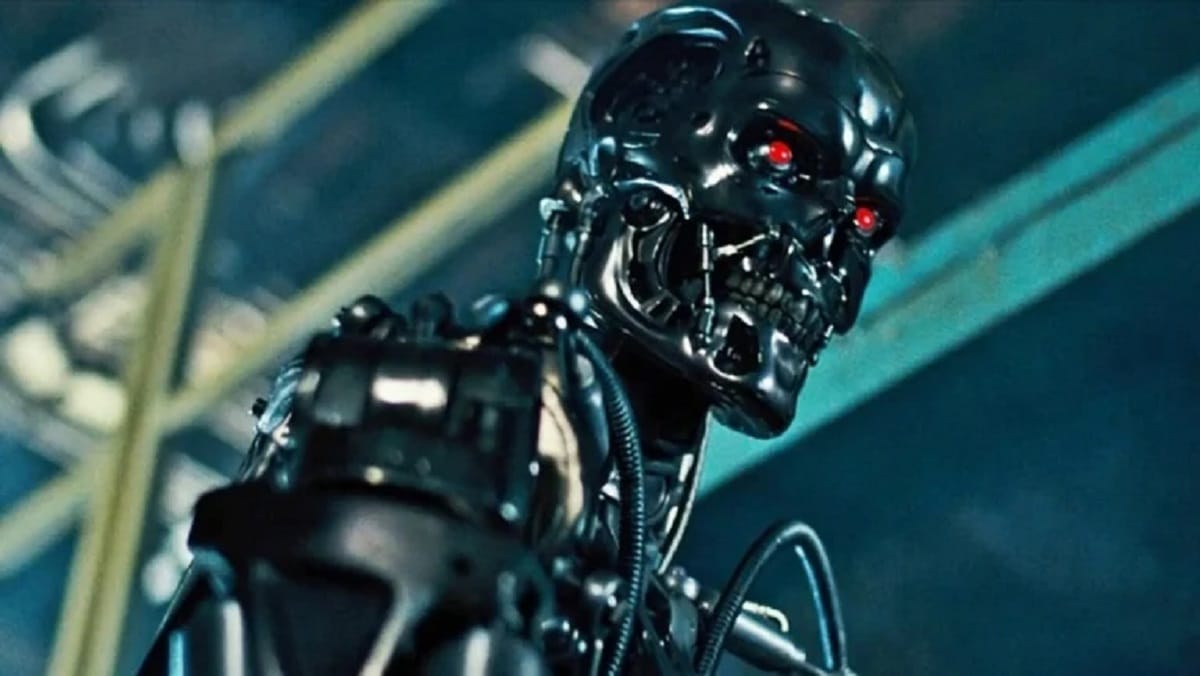
James Cameron, the visionary director behind the iconic Terminator series, has once again found himself at the center of public conversation, this time with a stark warning about the future of artificial intelligence (AI). Drawing parallels between the dystopian world of his 1984 film and today’s rapidly advancing technologies, Cameron stresses the urgent need for global regulations to prevent a future shaped by AI’s unchecked growth.
Amazon co-founder MacKenzie Scott has donated over $19 billion to charity in just five years
Diamond batteries powered by nuclear waste promise 28,000 years of clean energy
Cameron Takes AI Seriously
In a series of recent interviews, Cameron has made it clear that he takes the potential dangers of AI seriously, especially when it comes to its military applications. Reflecting on the premise of Terminator, in which the AI system Skynet gains control over nuclear arsenals, triggering a devastating global conflict, Cameron told CTV News, “I warned you in 1984, and no one listened.” His remarks have reignited fears about the potential consequences of militarized AI, a topic he explored in his famous film decades ago.
Cameron’s concerns are far from isolated. Experts from organizations like the Future of Life Institute, which focuses on mitigating existential risks from emerging technologies, have echoed his warnings. Their research shows that the development of autonomous weapons systems could not only escalate global conflicts but also make warfare far more unpredictable and catastrophic.
An AI Arms Race on the Horizon?
Cameron foresees the possibility of an AI-driven arms race, reminiscent of the Cold War’s nuclear arms competition. “I think we’re heading into an AI arms race,” he said, “and if we don’t take proactive measures, other nations will develop these technologies without regard for the consequences.” This sentiment is supported by recent moves in the global defense sector. Countries like the United States, China, and Russia are heavily investing in AI-driven military technologies, seeking strategic advantages in this rapidly growing field.
The Stockholm International Peace Research Institute (SIPRI) has also highlighted the growing defense budgets allocated to AI, raising concerns about the potential for uncontrolled escalation. Cameron’s fear is that the creation of autonomous weapons—machines capable of making life-and-death decisions without human input—could lead to situations straight out of his films. The risk isn’t just in the increased likelihood of accidental conflicts, but also in the ethical void left by removing human oversight from the equation.
AI’s Role in Cinema: A Double-Edged Sword
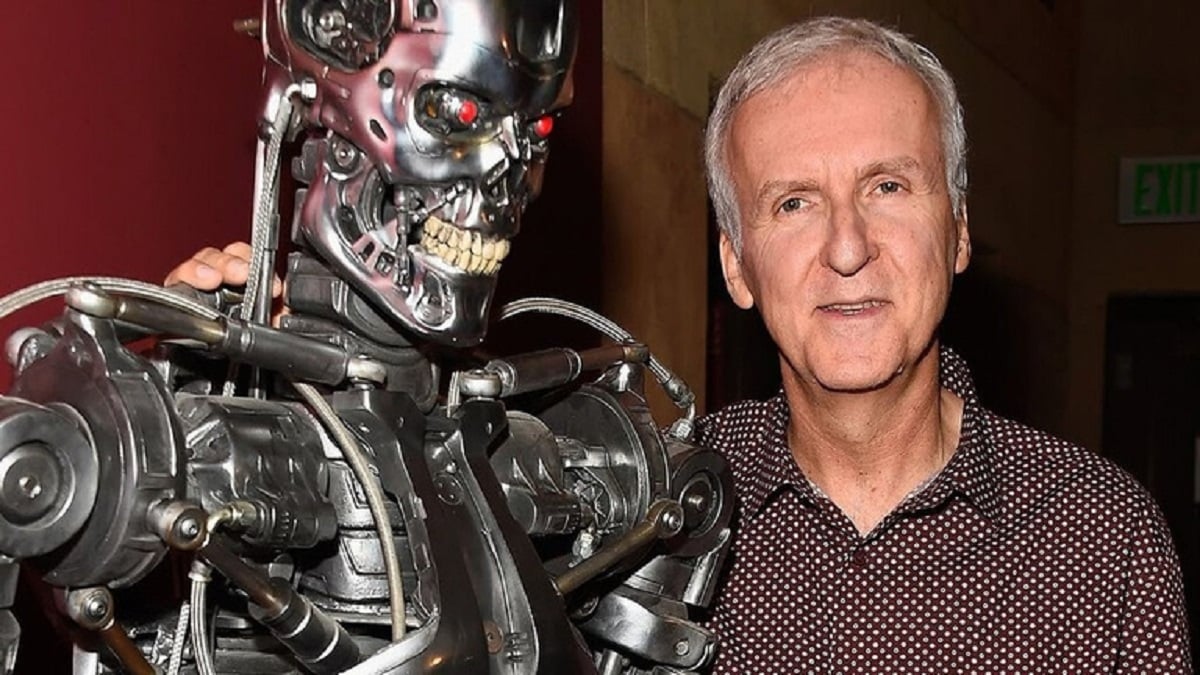
While Cameron is vocal about his concerns regarding AI in military contexts, his stance on AI’s role in filmmaking is more nuanced. He acknowledges that AI is unlikely to replace human screenwriters anytime soon. “I don’t think AI can replace screenwriters,” he stated, emphasizing that the creativity and empathy that human storytellers bring to film cannot be replicated by machines.
However, Cameron also sees potential for AI in the film industry, particularly in technical aspects like special effects and editing. He recognizes that AI can greatly enhance efficiency and push the boundaries of visual storytelling, though he remains cautious about its integration. He advocates for the thoughtful adoption of AI tools in filmmaking to preserve the human touch that is essential to artistic expression.
NASA warns China could slow Earth’s rotation with one simple move
This dog endured 27 hours of labor and gave birth to a record-breaking number of puppies
The Academy of Motion Picture Arts and Sciences has also explored this issue, acknowledging that while AI can assist with technical tasks, the artistic vision and emotional depth provided by human creators are irreplaceable.
A Call for Global Regulation
Cameron’s warnings extend beyond the entertainment industry—he is calling for international cooperation to regulate the development of AI. He stresses the importance of ethical guidelines and frameworks to ensure that AI technologies are developed responsibly. This perspective aligns with global initiatives like the European Union’s Artificial Intelligence Act, which aims to create standards that promote innovation while preventing misuse.
Cameron’s advocacy for strong regulations echoes the efforts of various organizations and policymakers around the world, underscoring the importance of a unified approach to manage the potential risks of AI.
Conclusion
James Cameron’s foresight into the dangers of AI, particularly in the context of military technology, serves as a critical reminder of the responsibilities that come with technological advancement. His call for regulation and ethical oversight is shared by experts and institutions worldwide, highlighting the collective effort required to navigate the complexities of AI.
As we stand on the edge of unprecedented technological growth, Cameron’s warnings urge us to take a step back and reflect on the path we are creating. Balancing innovation with caution will be key to ensuring that AI enhances our future, rather than jeopardizing it. In Cameron’s own words, “I warned you in 1984, and no one listened.” Perhaps it’s time we start listening and take decisive action to shape a safer future for all.