
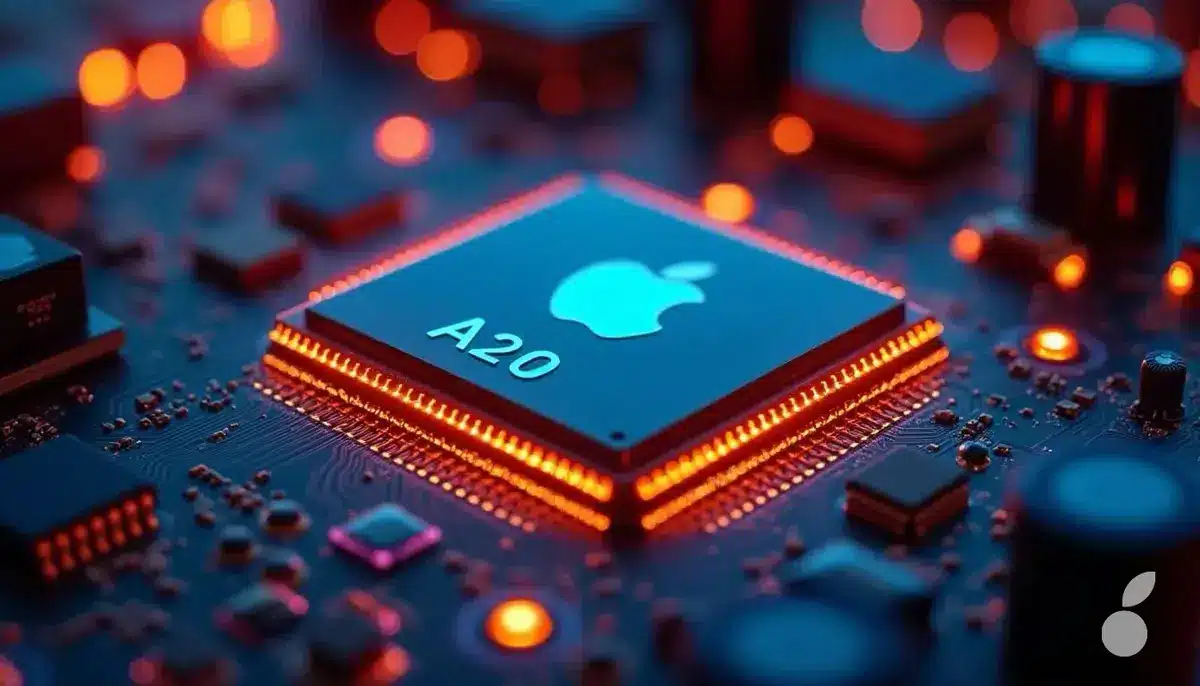
The next generation of chips comes at a price. According to the China Times, the 2-nanometer etching technology set to be used for Apple’s A20 chip in the iPhone 18 could cost up to 50% more to produce than the current generation. This significant increase, however, is not expected to be passed on to the selling price of future iPhones.
Amazon co-founder MacKenzie Scott has donated over $19 billion to charity in just five years
Diamond batteries powered by nuclear waste promise 28,000 years of clean energy
2 nm Etching at a Premium Cost
Apple’s long-time partner TSMC has reportedly invested billions of dollars in developing this new process. Despite Apple’s economic clout, no discounts have been negotiated: production costs remain high, partly due to the initial low yield of these new silicon wafers, meaning the percentage of actually functional chips per batch.
According to sources from China Times, the 2 nm etching is still in the ramp-up phase, although TSMC has recently achieved a yield of over 70%, which is considered acceptable in the industry.
Costlier Components Across the Board
In addition to the processor, the cost of many components—including camera modules and storage—is also on the rise. According to Digitimes, the A18 chip for the iPhone 16 cost about $45 to produce, with a total estimated cost of $416 per device. This means that the processor accounts for about 10% of the manufacturing cost and 5.6% of the sale price ($799).
Thus, even with a 50% increase in the chip price, Apple could absorb this additional cost without altering the final selling price—as the company has done during previous transitions (A16, A17 Pro, M3, etc.).
Will All Models Be Affected?
Initially, rumors suggested that the 2 nm chip would be reserved for the iPhone 18 Pro models, while standard models would use an intermediate A19 version. However, analyst Ming-Chi Kuo has since stated that the entire iPhone 18 lineup would benefit from the A20 processor, marking an unprecedented standardization in Apple’s product strategy.
The shift to 2 nm technology promises major gains in performance and energy efficiency, paving the way for better embedded AI management and extended battery life. But for Apple, the real challenge will be to contain costs without compromising its profit margins. If the company maintains its current prices, this decision could confirm its intention to make cutting-edge technology accessible without a sharp price increase, while maintaining a clear advantage over the Android competition.